
Short Answer
Introduction
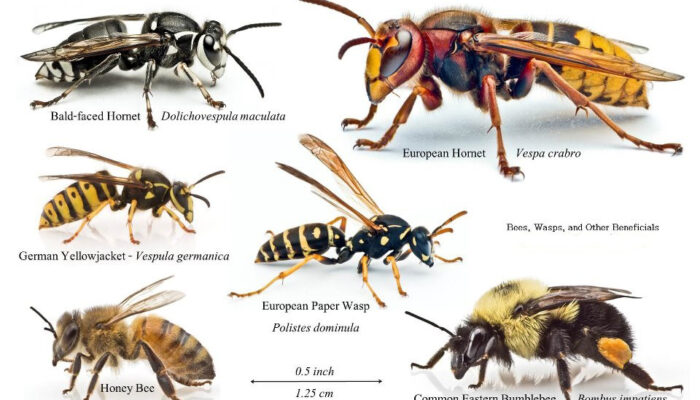
Dreams frequently employ vivid imagery to convey subconscious concerns. Among the most striking symbols are bees and wasps—small insects that carry rich cultural, spiritual, and psychological connotations. While both belong to the order Hymenoptera, their dream meanings diverge sharply, reflecting themes of cooperation, abundance, aggression, and personal boundaries.
Bees: Emblems of Industry and Community
Bees are traditionally associated with diligence, collective effort, and the sweet reward of honey. In the dream context, they often signal:
- Productivity and progress: A swarm of bees may appear when the dreamer is approaching a significant goal or experiencing a period of hard work.
- Social harmony: Because bees operate within a highly organized colony, they can represent the dreamer’s desire for or appreciation of teamwork and supportive relationships.
- Abundance and nourishment: Honey, the product of the bee, symbolizes the fruits of sustained effort, suggesting that the dreamer’s endeavors will yield tangible benefits.
When bees sting in a dream, the sting can be interpreted as a gentle reminder to stay focused and avoid complacency, rather than a purely negative omen.
Wasps: Indicators of Conflict and Boundaries
Wasps, by contrast, are frequently perceived as aggressive and defensive. Their appearance in dreams tends to highlight:
- Unresolved tension: A swarm of wasps may mirror ongoing disputes, either internal (self‑criticism, guilt) or external (interpersonal conflict).
- Personal boundaries: Being stung can symbolize a violation of personal space or a warning to assert oneself more firmly.
- Persistent irritation: The buzzing of wasps often reflects nagging worries or anxieties that the dreamer has been avoiding.
In some traditions, wasps also serve as messengers of justice, urging the dreamer to confront wrongdoing.
Cultural and Religious Perspectives
Interpretations of bees and wasps differ across faiths and cultural narratives:
Christianity
Bees are sometimes linked to divine providence and communal virtue, serving as metaphors for the faithful working together for a higher purpose. Wasps may be viewed as symbols of divine retribution or warning against moral laxity.
Islam
The Qur’an mentions honey as a healing substance, and the bee is praised as a creature guided by divine instruction. In this context, dreaming of bees can denote spiritual guidance and patience, whereas wasps may caution against deceit or betrayal.
Other Traditions
In many indigenous cultures, bees embody the soul of the earth, representing fertility and renewal. Wasps, meanwhile, are often associated with protective spirits that defend the community from harmful forces.
Psychological Interpretations
From a modern psychological standpoint, bees and wasps function as archetypal symbols within the collective unconscious:
- Bees: They can reflect the dreamer’s need for collaboration, a yearning for order, or an internal assessment of personal productivity.
- Wasps: They may surface during periods of heightened stress, signaling repressed anger, fear of confrontation, or the need to establish clearer personal limits.
Both insects invite the dreamer to examine how they balance communal responsibilities with individual autonomy.
Bees vs. Wasps – Comparative Analysis
A simple syllogism helps summarise their dual symbolism:
If bees represent cooperation and abundance, and wasps represent conflict and self‑assertion, then dreams featuring these insects remind us that life requires both collective effort and the ability to defend personal boundaries.
This dialectic underscores the importance of integrating sweetness (harmony) and sharpness (challenge) in personal growth.
Contemporary Relevance
In an era marked by social polarization, the juxtaposition of bees and wasps in dreams can mirror societal dynamics:
- Bees as the ideal of unity: They model how diverse individuals can work together toward common goals.
- Wasps as the reality of dissent: They embody the inevitable frictions that arise when differing viewpoints clash.
Recognising these symbols may encourage more nuanced approaches to community building and conflict resolution.
Conclusion
Bees and wasps serve as rich, multifaceted dream symbols. Bees encourage diligence, cooperation, and the promise of reward, while wasps alert the dreamer to conflict, boundaries, and unresolved tension. By reflecting on these images, individuals can gain valuable insight into both their inner psychological landscape and their broader social environment.
FAQ
What does it mean to dream of a bee sting?
A bee sting often signals a gentle reminder to stay focused on goals and avoid complacency, rather than a purely negative omen.
Are wasps in dreams always negative?
Not necessarily. While they frequently indicate conflict or boundary issues, they can also represent protective energy urging the dreamer to assert themselves.
Do cultural backgrounds affect the interpretation of these insects?
Yes. For example, Islamic tradition views bees as symbols of divine guidance, whereas Christian symbolism may associate wasps with warnings of moral lapse.

Leave a Reply