
Short Answer
Introduction
The dragonfly, with its shimmering wings and agile flight, frequently surfaces in dream narratives. Across cultures and scholarly traditions, this insect has been linked to themes of metamorphosis, fleeting perception, and the bridge between the material and spiritual realms. Understanding the dream meaning of the dragonfly can provide insight into personal change, hidden truths, and deeper spiritual currents.
Symbolism of Transformation
One of the most consistent interpretations associates the dragonfly with metamorphosis. In nature, a dragonfly begins life as an aquatic nymph before emerging as a vibrant aerial creature. In a dream, this life‑cycle mirrors the dreamer’s own transition—whether a career shift, a shift in identity, or an inner psychological evolution. The image encourages the dreamer to embrace new beginnings and to release outdated aspects of the self.
Illusion, Perception, and the Ephemeral
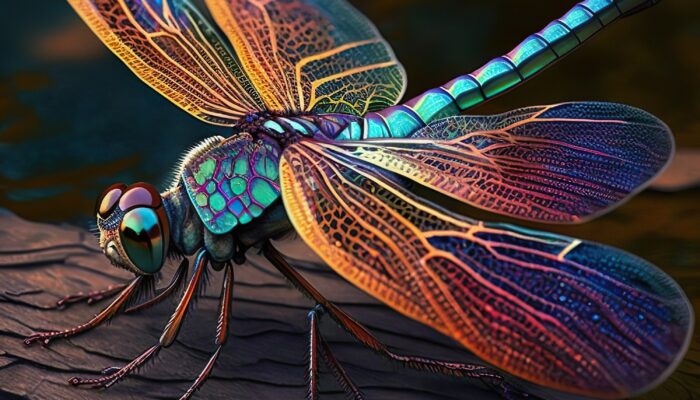
The iridescent wings of a dragonfly refract light, creating a rainbow of colors that can appear to change with the viewer’s angle. This quality has led many traditions to view the dragonfly as a symbol of illusion and the transient nature of reality. Dreaming of a dragonfly may therefore be a prompt to question surface appearances, to seek clarity, and to discern what is genuine from what is merely a fleeting façade.
Spiritual Interpretations Across Cultures
Christianity
Within some Christian contexts, the dragonfly is linked to themes of renewal and resurrection. Its emergence from water to air can be likened to the spiritual rebirth described in biblical narratives, suggesting a divine invitation to spiritual awakening.
Islamic Tradition
While the dragonfly is not a prominent symbol in Islamic texts, its adaptability and humility resonate with Qur’anic teachings on patience and submission to divine wisdom. A dragonfly dream may highlight the dreamer’s capacity to navigate varied circumstances with grace.
Inuit Beliefs
Inuit cultures revere the dragonfly as a messenger between the physical world and the spirit realm. Seeing a dragonfly in a dream can be interpreted as a sign that ancestors or departed loved ones are reaching out, emphasizing the interconnectedness of life and spirit.
Psychological Perspectives
From a Jungian standpoint, the dragonfly can represent the Self striving for integration of conscious and unconscious material. Its swift, unrestricted flight may symbolize a yearning for personal freedom, creativity, and the unburdened expression of one’s authentic self. The insect’s dual life—submerged and airborne—parallels the process of confronting hidden emotions (the water) and bringing them into conscious awareness (the sky).
Practical Interpretation Guide
When interpreting a dragonfly dream, consider the following factors:
- Context of the dream: Was the dragonfly near water, in bright sunlight, or trapped?
- Emotional tone: Feelings of awe, fear, or curiosity can modify the symbol’s meaning.
- Personal associations: Any real‑life experiences with dragonflies may color the dream’s message.
These nuances help refine the general symbolism into a message that resonates with the individual’s life situation.
Conclusion
The dragonfly is a richly layered dream symbol. Whether viewed through the lenses of transformation, illusion, spirituality, or psychology, it invites the dreamer to contemplate change, seek deeper truths, and explore the subtle connections between the material and the mystical. By paying attention to the specific details of the dream, one can uncover personal guidance toward growth, clarity, and spiritual awareness.
FAQ
What does it mean if I dream of a dead dragonfly?
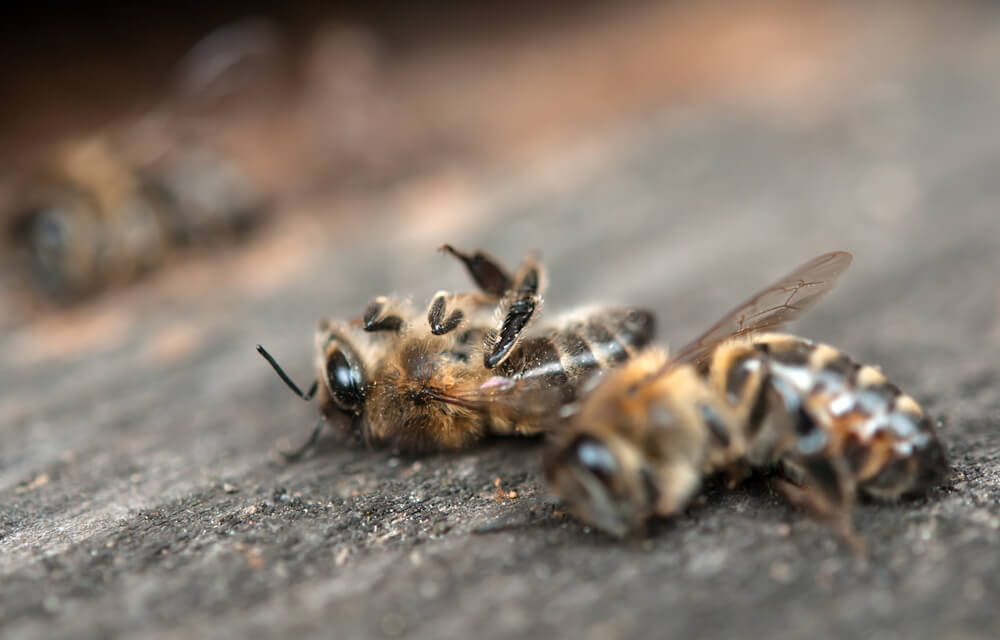
A dead dragonfly can indicate a feeling that a period of change has ended, or it may symbolize unresolved emotions that need closure.
Why do dragonflies appear near water in my dreams?
Water represents the unconscious mind. A dragonfly near water often highlights the transition from hidden feelings (the water) to conscious awareness (the flight).
Can a dragonfly dream suggest I need more freedom?
Yes. The insect’s agile flight is frequently interpreted as a subconscious call for greater personal freedom and creative expression.
Leave a Reply