
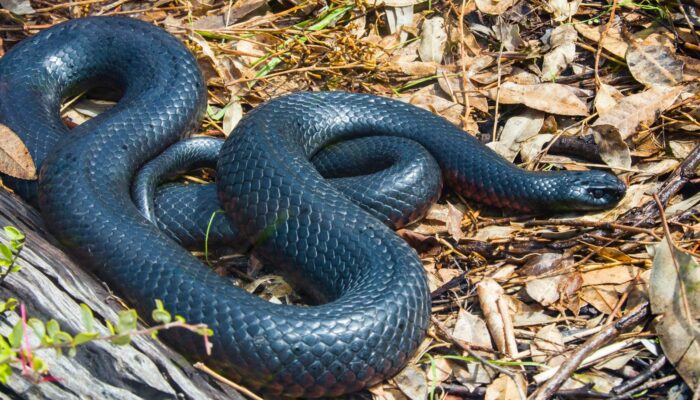
Short Answer
Overview
Dreams often act as portals to the unconscious, allowing symbols to surface and convey messages about personal growth, anxieties, or spiritual concerns. The black snake is a potent emblem that appears across many traditions, each attributing distinct yet overlapping meanings.
Cultural and Religious Interpretations
Christianity
Within Christian symbolism, the serpent frequently represents temptation and sin, as seen in the Garden of Eden narrative. However, the black snake diverges from this primary association. Its dark hue is linked to mystery and the unknown, suggesting a protective or guardian role. Some biblical commentaries interpret a black snake as a prompt for introspection, urging the dreamer to confront moral dilemmas and seek wisdom.
Islamic Tradition
In Islamic dream literature, snakes are generally viewed as ambiguous symbols. A black snake may forewarn of hidden threats, deceit, or upcoming conflict, encouraging vigilance. At the same time, it can serve as a reminder to rely on inner guidance and discernment when navigating complex situations.
Indigenous and Shamanic Views
Many indigenous cultures regard snakes as healers and mediators between worlds. The black snake, in particular, is seen as an agent of deep emotional cleansing, representing the shadow aspects of the psyche that require acknowledgment and integration.
Psychological Perspectives
From a Jungian standpoint, the snake is an archetype of the unconscious, embodying both life‑giving and destructive forces. The black coloration intensifies the association with the shadow—repressed instincts, fears, or unresolved trauma. Encountering a black snake in a dream can therefore indicate:
- An impending personal transformation or renewal.
- A need to confront hidden anxieties or deceit.
- The emergence of healing energies that address deep‑seated emotional wounds.
Individual emotional responses further refine the interpretation. Feelings of curiosity or acceptance may signal readiness for change, whereas terror or revulsion often point to resistance or denial.
Symbolic Themes
| Theme | Interpretation |
|---|---|
| Transformation | Snakes shed their skin; a black snake can herald personal rebirth. |
| Protection | The dark hue may denote a guardian spirit watching over the dreamer. |
| Shadow | Represents repressed fears, hidden motives, or unresolved trauma. |
| Vigilance | A warning to stay alert for deceit or hidden dangers. |
| Healing | Indicates a need for emotional cleansing and integration of the unconscious. |
Practical Guidance for Dreamers
- Reflect on Emotion: Note your immediate feeling when the black snake appears; this tone guides the primary message.
- Identify Life Context: Consider recent changes, conflicts, or health concerns that may relate to the themes above.
- Journal the Dream: Write down details—size, movement, environment—to uncover patterns over time.
- Seek Integration: If the dream evokes fear, explore therapeutic avenues (e.g., counseling, meditation) to address underlying shadows.
Conclusion
The black snake is a multifaceted symbol that intertwines cultural myths, spiritual teachings, and deep psychological processes. Whether it signals transformation, a call for caution, or an invitation to heal, engaging with this symbol can provide valuable insight into one’s inner landscape and promote personal evolution.
FAQ
What does it mean if I feel calm when I see a black snake in a dream?
Calmness often indicates acceptance of change; the black snake may be guiding you through a personal transformation.
Can a black snake dream warn me about real danger?
In many traditions the black snake signals hidden threats, so the dream may prompt you to stay alert to potential deceit or risk.
Is the black snake always a negative symbol?
No. While it can represent fear or danger, it also embodies healing, protection, and the potential for rebirth.


Leave a Reply