
Short Answer
Overview
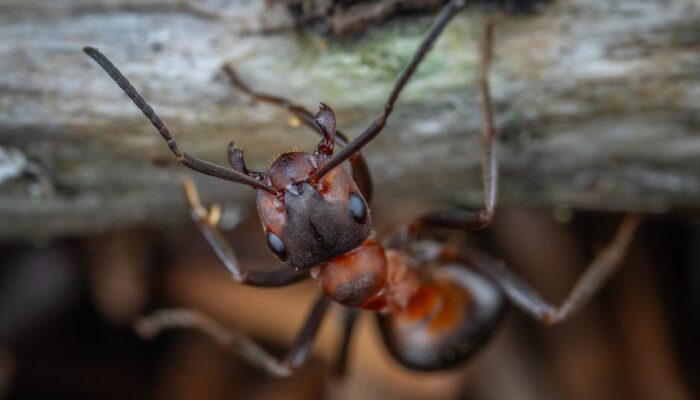
Black ants appearing in a dream can evoke a rich tapestry of meanings. Rooted in observations of the insect’s industrious nature, these symbols intersect with religious teachings, Jungian archetypes, and contemporary psychological theory. Understanding the various layers helps the dreamer recognize messages about work ethic, community, and inner stress.
Core Symbolic Attributes of Ants
Across cultures, ants are associated with three primary qualities:
- Industriousness – relentless effort and perseverance.
- Teamwork – cooperation within a structured colony.
- Persistence – the ability to overcome obstacles through steady action.
When these traits surface in a dream, they often invite reflection on how the dreamer approaches personal and professional tasks.
Spiritual Perspectives
Christian Tradition
In the Bible, ants are highlighted as models of wisdom and foresight. Proverbs 6:6‑8 states: “Go to the ant, you sluggard; consider its ways and be wise!” This passage encourages diligence and preparation. A dream featuring black ants may therefore serve as a gentle reminder to plan ahead and cultivate a disciplined routine.
Islamic Tradition
The Qur’an recounts the story of Prophet Solomon hearing an ant warn its colony of approaching humans (Surah An-Naml 27:18‑19). The ant’s organized communication underscores the importance of communal responsibility and leadership. Within an Islamic framework, dreaming of black ants can symbolize a call to contribute responsibly to one’s community and to recognize the interdependence of all members.
Psychological Interpretation
Jungian Archetype
Carl Jung described symbols as expressions of the collective unconscious. Ants, as archetypal representations of collective effort, may surface when the psyche processes feelings of being overwhelmed by external demands or when it seeks integration of personal and social identities.
Contemporary Views
Modern dream analysis often links ant imagery to work‑related stress, feelings of invasion, or a need for greater organization. For example, a dream of ants crawling over the body might reflect perceived pressures in the workplace, whereas a thriving ant colony could indicate confidence in one’s support network.
Practical Guidance for Interpreting Ant Dreams
- Recall the context: Note the setting, emotions, and actions of the ants.
- Identify personal parallels: Relate the ant’s behavior to current challenges—e.g., a project requiring teamwork.
- Journal the experience: Writing down details can reveal recurring patterns.
- Seek dialogue: Discussing the dream with trusted friends or a therapist may uncover hidden meanings.
Symbolic Contrasts and Their Significance
Ants are physically small yet capable of monumental collective impact. This duality mirrors how minor, consistent actions in waking life can accumulate into significant outcomes. Dreaming of a bustling colony may therefore celebrate the power of incremental effort, while a solitary ant might highlight an area where the dreamer feels isolated.
Conclusion
Dreams of black ants are far from trivial. They weave together spiritual teachings, psychological insights, and everyday observations to point toward themes of diligence, cooperation, and personal transformation. By paying attention to these nocturnal messages, individuals can align their waking decisions with deeper values of perseverance and communal harmony.
FAQ
What does it mean when black ants swarm my dream space?
A swarm often reflects feelings of being overwhelmed by responsibilities or external pressures, urging you to organize and prioritize.
Are black ant dreams always negative?
Not necessarily. While some scenarios signal stress, others—such as a well‑ordered colony—can highlight strengths in cooperation and perseverance.
How can I use an ant dream for personal growth?
Identify the aspect of the ant’s behavior that resonates with your life, then apply its lesson—whether it’s diligent planning, teamwork, or steady effort—to real‑world goals.


Leave a Reply