
Short Answer
Introduction to Celestial Dream Symbolism
Gazing upon the vast expanse of a star-filled night sky often evokes a sense of wonder and insignificance. When these luminous bodies appear in our dreams, they frequently transcend mere visual representation, acting as potent symbols of the subconscious, the divine, and the infinite. Understanding the dream meaning of stars requires a multidisciplinary approach, blending scriptural analysis with psychological insight.
Whether viewed as divine markers or reflections of personal aspiration, stars in dreams often signal a connection between the dreamer and a higher power or a deeper purpose in life. By exploring these symbols through various cultural and spiritual lenses, we can gain a holistic understanding of what our minds are attempting to communicate during sleep.
Biblical Interpretation of Stars
In the Christian biblical narrative, stars are rarely accidental; they are often instruments of divine revelation, promise, and guidance.
Covenants and Abundance
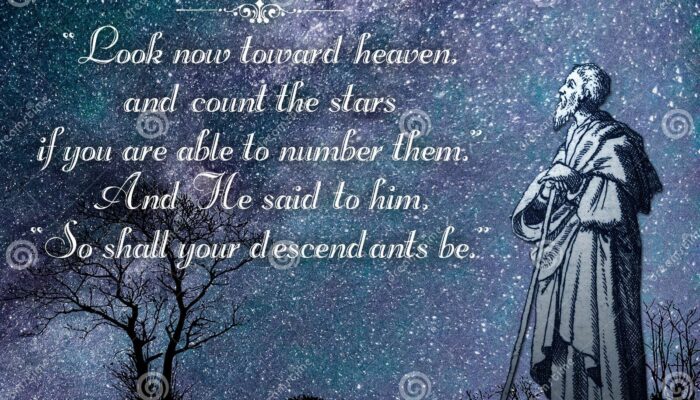
One of the most prominent biblical references to stars is found in the Book of Genesis. God establishes a covenant with Abraham, instructing him to look at the heavens: “Look now toward heaven, and tell the stars, if thou be able to number them… so shall thy seed be” (Genesis 15:5). In this context, stars symbolize:
- Divine Promise: The assurance of future fulfillment and legacy.
- Abundance: An overflowing of blessings and descendants.
- Omnipotence: A reminder of God’s infinite power and capacity to create.
Guidance and Messengers
Beyond abundance, stars often represent light in the darkness. In prophetic visions, such as those in the Book of Revelation, stars can symbolize angels or messengers of God. Their presence in a dream may suggest divine protection or the arrival of a spiritual truth that illuminates a previously dark or confusing path in the dreamer’s waking life.
Islamic Perspective on Celestial Bodies
In Islamic tradition, stars are viewed as signs (ayat) of Allah’s creation and as practical tools for navigation and orientation.
Spiritual Navigation
The Quran highlights the celestial bodies as markers for mankind. As noted in Surah Al-Mulk, the heavens are adorned with lamps that serve a purpose beyond aesthetics. For a believer, dreaming of stars may signify:
- Seeking Enlightenment: A desire for spiritual growth and a closer connection to the Divine.
- Divine Guidance: The search for a “true north” in one’s moral or ethical conduct.
- Unity: The realization of a shared faith and community under the gaze of the Creator.
Unlike Western astrological interpretations, which may attribute fate to the positions of stars, the Islamic perspective focuses on the stars as reflections of God’s glory and as guides for the righteous traveler.
General Symbolic and Spiritual Meanings
Outside of specific religious doctrines, stars carry universal meanings that resonate across various spiritual practices.
| Dream Element | Common Symbolic Meaning |
|---|---|
| Brightest Star | Highest aspirations, peak goals, or a primary spiritual guide. |
| Dim/Fading Stars | Mundane priorities, lost hope, or neglected aspects of life. |
| Shooting Star | Fleeting opportunities or a sudden moment of epiphany. |
| Clear Starry Sky | Inner peace, clarity of purpose, and mental openness. |
Spiritually, stars remind us of our interconnectedness with the cosmos. They encourage the dreamer to transcend earthly limitations and acknowledge the spiritual dimension of existence, suggesting that there is more to life than the immediate, physical world.
Psychological Analysis of Star Dreams
From a psychological standpoint, particularly within the framework of Carl Jung, stars are seen as archetypal symbols. Jung posited that the unconscious mind uses such imagery to communicate essential truths about the self.
Aspiration and Recognition
Dreaming of stars often reflects the dreamer’s inner drive for success and recognition. The act of “reaching for the stars” is a common metaphor for ambition. A starry sky may represent the dreamer’s imagination and their desire to explore possibilities beyond their current socio-economic or emotional situation.
The Paradox of Scale
The vastness of the night sky can trigger two opposing psychological responses:
- Inspiration: A feeling of awe that motivates the individual to achieve greatness.
- Insignificance: A feeling of isolation or smallness, prompting a reflection on one’s actual value and contribution to the world.
Ultimately, these dreams challenge the individual to find their place in the universe and to recognize their inherent worth despite the overwhelming scale of the cosmos.
Conclusion: Integrating the Light
The multifaceted meanings of stars in the night sky—ranging from the biblical promises of Abraham to the psychological archetypes of Jung—invite us to reflect deeply on our own lives. Whether they appear as omens of divine guidance or reflections of our own highest ambitions, stars serve as luminous beacons in the darkness of the subconscious. By analyzing these dreams, we can better understand our destiny and the spiritual path we are walking.
FAQ
What does it mean to dream of a very bright star?
Typically, a bright star symbolizes a high aspiration, a significant goal, or a strong sense of divine guidance and hope.
Is dreaming of stars always a positive sign?
While generally positive, the vastness of the stars can sometimes reflect feelings of insignificance or isolation depending on the dreamer's emotions.
How does the biblical meaning differ from the psychological meaning?
Biblical meanings focus on external divine promises and covenants, while psychological meanings focus on internal desires, ambitions, and the subconscious mind.




Leave a Reply