
Short Answer
Introduction
When dusk settles and darkness blankets the world, many simply perceive night as the lack of light. Throughout history, however, night has functioned as a potent symbol of mystery, introspection, transformation, and potential. Its meanings have been explored in dream analysis, philosophical discourse, religious teachings, and psychological research.
Night in Dream Interpretation
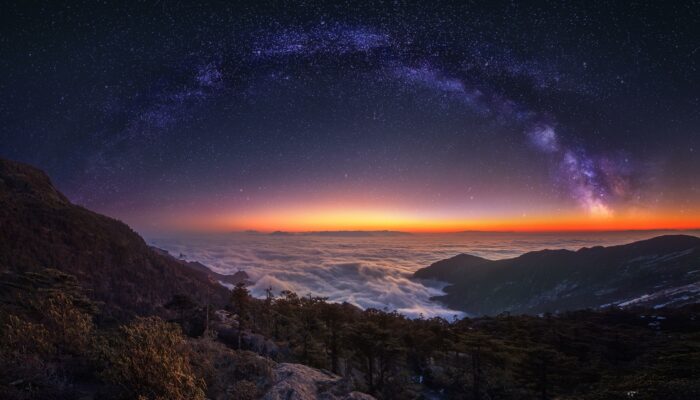
In the field of dream interpretation, night commonly represents the unconscious mind. During REM sleep—when the most vivid dreaming occurs—the darkness of night provides a metaphorical backdrop for hidden emotions, fears, and desires to surface. A dream set in a blackened environment may signal repressed thoughts seeking expression, while a star‑filled sky can symbolize hope, guidance, or a connection to the deeper self.
Philosophical Perspectives
Philosophers have long examined the binary opposition of light and darkness. Classical traditions often equate light with knowledge and clarity, casting night as ignorance or uncertainty. Yet many thinkers argue that darkness also offers a “blank slate” for potential growth. The dialectic suggests that without night, the concept of light would lose meaning, and personal transformation might be hindered.
Spiritual Significance
Christianity
Within Christian theology, darkness can symbolize sin and despair, yet it also marks a period of reflection. The Genesis narrative describes God separating light from darkness, establishing night as an essential part of the divine order. Believers often use nighttime for prayer, contemplation, and seeking divine comfort.
Islam
In Islamic tradition, night holds special spiritual value through the voluntary night prayer known as Tahajjud. Performed during the last third of the night, this act underscores humility, self‑improvement, and closeness to Allah, emphasizing night as a time for inner elevation.
Indigenous and Other Traditions
Many Indigenous cultures associate the night sky and moon with femininity, intuition, and cyclical renewal. Lunar phases guide agricultural practices, health rituals, and communal storytelling, reinforcing a harmonious relationship between humanity and the natural rhythms of darkness.
Psychological Aspects
Night elicits diverse emotional responses. For some individuals, darkness triggers anxiety, possibly rooted in evolutionary vigilance against unseen threats. For others, night provides a soothing environment that promotes creativity, introspection, and a sense of safety. Research indicates that reduced sensory input after sunset can enhance divergent thinking, allowing novel ideas to emerge.
Cultural Practices and Festivities
Numerous societies celebrate nocturnal events that highlight the transformative power of night. Examples include bonfires under starlit skies, midnight festivals, and ritual gatherings in sacred spaces. These communal activities reinforce social bonds and convey collective narratives that honor night’s mystery.
Conclusion
Nighttime transcends a mere lack of illumination; it is a rich tapestry woven from cultural myths, spiritual teachings, philosophical inquiry, and psychological experience. Whether encountered in dreams, prayer, or quiet contemplation, darkness invites humanity to explore unseen dimensions of the self and the world.
FAQ
What does dreaming of a dark night usually signify?
It often reflects the dreamer’s encounter with the unconscious, hidden emotions, or unresolved fears.
Why do some cultures view night as a time for spiritual practice?
Night’s quiet and reduced distractions create an environment conducive to introspection, prayer, and a sense of closeness to the divine.
Can the darkness of night affect creativity?
Research suggests that lower light levels can lower external stimuli, allowing the brain to generate more divergent, creative ideas.


Leave a Reply