
Short Answer
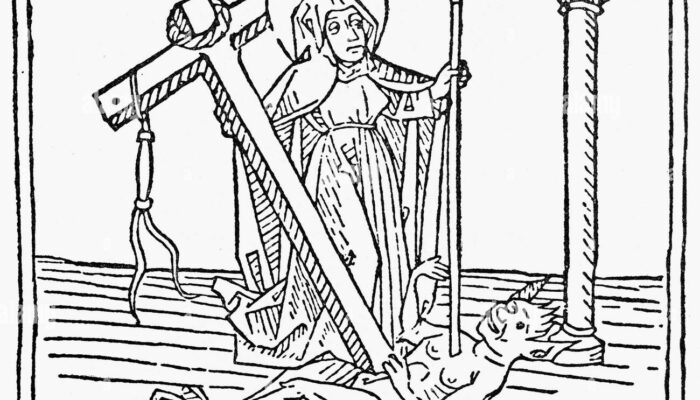
The image of the devil appearing in a dream often provokes strong emotional reactions, ranging from terror to fascination. Rather than dismissing the experience as merely frightening, many traditions and scholars view it as a rich symbol that can illuminate hidden aspects of the dreamer’s psyche, moral concerns, and cultural conditioning.
Contextualising Dream Interpretation
Dreams are a complex amalgam of memories, emotions, and archetypal symbols. Their content can be shaped by personal history, cultural narratives, and spiritual frameworks. Consequently, a dream featuring the devil should be examined in relation to the dreamer’s life circumstances, belief system, and emotional state at the time of sleeping.
Symbolic Interpretation
At its core, the devil functions as an archetype of chaos, temptation, and the shadow side of human nature. The following table summarises common symbolic readings:
| Dream Motif | Possible Symbolic Meaning |
|---|---|
| Seeing the devil in the distance | Awareness of a moral dilemma or looming temptation |
| Being chased by the devil | Avoidance of personal guilt, fear, or unresolved conflict |
| Confronting or defeating the devil | Integration of the shadow self and empowerment over inner doubts |
| Negotiating with the devil | Compromise with undesirable impulses, often reflecting a feeling of being trapped |
Examples
- Scenario A: A business executive dreams of the devil offering a shortcut to success. This may mirror real‑world temptations to compromise ethics for gain.
- Scenario B: A student awakens after being pursued by a horned figure. The chase could symbolize anxiety about academic pressure or fear of failure.
Spiritual Perspectives
Interpretations vary widely across religious traditions.
Christianity
In Christian thought, the devil (Satan) embodies the adversary who tempts believers away from divine grace. Dreaming of Satan may serve as a spiritual warning, urging the dreamer to examine areas where sin or moral laxity is present. Some pastoral counselors suggest viewing the dream as an invitation to renewed prayer or confession.
Islam
Islamic teachings describe Iblis as a being who refused to bow to Adam and now seeks to mislead humanity. A dream of Iblis can be interpreted as a reminder to guard one’s intentions, avoid heedlessness, and seek repentance. Scholars of Islamic dream interpretation (taʾbīr) often advise the dreamer to increase dhikr (remembrance of God) after such a vision.
Indigenous and Other Belief Systems
In several indigenous cultures, a devil‑like figure may represent the unpredictable forces of nature rather than a moral entity. Here, the dream could be a call to respect natural cycles, accept hardship as a path to balance, or recognize personal responsibility within the community.
Psychological Meaning
Modern psychology offers complementary lenses.
Freudian View
Sigmund Freud considered the devil an embodiment of repressed sexual or aggressive urges. From this angle, the dream may signal unresolved desires that the conscious mind finds threatening.
Jungian Perspective
Carl Jung introduced the concept of the “shadow” – the collection of traits an individual denies or hides. The devil functions as a vivid shadow archetype, urging the dreamer toward integration rather than suppression. Encountering the devil and surviving the encounter can mark a step toward individuation.
Contemporary Research
Recent studies in dream science suggest that threatening dream content, such as the devil, often appears during periods of heightened stress or major life transitions. Recording dream frequency alongside stress‑rating scales can help individuals track emotional processing over time.
Interpretation Tips and Practical Steps
- Recall Details: Note the devil’s appearance, actions, and your emotional response. Small nuances can shift meaning.
- Connect to Waking Life: Identify any recent situations involving temptation, guilt, or power struggles.
- Reflect on Personal Beliefs: Consider how your cultural or religious background frames the devil symbol.
- Journal the Dream: Writing the dream can surface subconscious patterns and aid in integration.
- Seek Dialogue: Discussing the dream with a therapist, spiritual advisor, or trusted friend can provide external perspectives.
Confrontation and Resolution
The act of confronting the devil in a dream is often described as a turning point. Rather than viewing the encounter solely as a source of fear, many interpret it as an invitation to face one’s deepest anxieties. Successfully navigating the confrontation—whether by standing firm, negotiating, or even escaping—can symbolize newfound resilience and a clearer sense of personal values.
Final Thoughts
Dreams of the devil are multilayered, weaving together symbolism, spiritual admonition, and psychological insight. By approaching these dreams with curiosity and an open mind, individuals can transform a seemingly ominous experience into a catalyst for self‑knowledge, moral clarification, and emotional growth.
FAQ
What does it mean if I dream of fighting the devil?
It often reflects an inner struggle to integrate repressed aspects of the self and can indicate growing personal empowerment.
Can cultural background change the meaning of a devil dream?
Yes; religious and cultural narratives shape how the devil symbol is interpreted, influencing whether it is seen primarily as moral warning, natural chaos, or psychological shadow.
Why do some people feel relief after dreaming about the devil?
The dream may provide a safe space to confront fears, and successfully navigating the encounter can lead to a sense of catharsis and emotional release.




Leave a Reply