
Short Answer
Introduction
From the blossoming orchards of ancient civilizations to the modest backyard tree that yields a seasonal harvest, fruit trees have long fascinated humanity. Beyond their practical value as sources of nourishment, they serve as powerful symbols that bridge the material and the metaphysical. This article examines the multifaceted meanings of fruit trees across three domains—dream interpretation, spiritual tradition, and psychological theory—providing readers with a comprehensive framework for understanding their symbolic resonance.
Dream Symbolism of Fruit Trees
In the language of dreams, fruit trees often function as visual metaphors for personal potential, prosperity, and emotional states. The specific qualities of the tree—its health, the abundance of fruit, or its barrenness—offer nuanced clues about the dreamer’s waking life.
Common Dream Scenarios
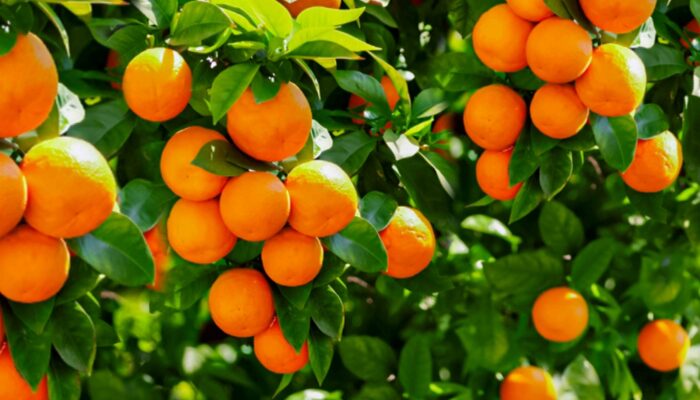
- Flourishing tree laden with ripe fruit: Indicates a period of growth, success, and the realization of long‑held goals.
- Barren or leaf‑less tree: Suggests feelings of stagnation, unfulfilled ambitions, or a need to reassess one’s priorities.
- Picking fruit: Symbolizes the active harvesting of opportunities, often linked to confidence and initiative.
- Tree being damaged or diseased: Reflects anxiety about losing progress or confronting obstacles that threaten personal development.
These motifs can be further refined by the type of fruit involved. The table below outlines typical interpretations for several common fruit trees.
| Fruit Tree | Dream Meaning |
|---|---|
| Apple | Knowledge, temptation, and personal health. |
| Olive | Peace, longevity, and spiritual reward. |
| Cherry | Joy, fleeting opportunities, and youthful vigor. |
| Fig | Fertility, abundance, and hidden potential. |
| Grapevine | Creativity, community, and the fruits of collaborative effort. |
“A tree that bears fruit in the dream is a mirror of the inner garden we tend, reflecting what we have sown in the soil of our subconscious.” – Anonymous
Syllogistic Reasoning Behind the Symbolism
Logical analysis can clarify why fruit trees carry particular meanings. Consider the following syllogism:
- All fruit‑bearing trees represent fertility and abundance.
- The tree in the dream is fruit‑bearing.
- Therefore, the dream signifies fertility and abundance.
Such deductive reasoning helps to separate cultural embellishment from core symbolic content, allowing a more objective interpretation of the dream imagery.
Spiritual Significance Across Cultures
Fruit trees occupy a central place in many religious narratives and mythologies, often embodying divine generosity, moral teachings, or cosmological principles.
Christianity
The Tree of Life and the Tree of Knowledge appear in Genesis as archetypal symbols of divine provision and moral discernment. The fruit of the Holy Spirit—love, joy, peace, patience, kindness, goodness, faithfulness, gentleness, and self‑control—are metaphorically linked to a fruitful tree that nourishes the soul.
Islam
In Qur’anic imagery, gardens of Jannah (paradise) are described as lush orchards where believers will enjoy everlasting fruit. The concept of the Sidrat al‑Muntaha (the Lote Tree of the Utmost Boundary) marks the endpoint of the Prophet’s nocturnal journey, symbolizing ultimate spiritual attainment.
Indigenous Traditions
Many Indigenous cultures view fruit trees as communal gifts. Harvest festivals celebrate collective labor, reinforcing values of cooperation, reciprocity, and stewardship of the land.
Psychological Perspectives
From a Jungian standpoint, the tree is an archetype of the Self, representing the integration of conscious and unconscious aspects of the psyche. Fruit, as the outcome of the tree’s growth, signifies the tangible expressions of inner development—skills, relationships, or creative works.
Therapeutic practices often employ the “tree metaphor” to help clients visualize personal growth. By identifying the roots (core beliefs), the trunk (personal values), and the fruit (behaviors and achievements), individuals can map pathways for change and resilience.
Practical Applications
Understanding fruit‑tree symbolism can be a tool for self‑reflection, goal‑setting, and mindfulness. Below are three actionable steps:
- Dream journaling: Record any appearance of fruit trees, noting details such as species, health, and emotional tone.
- Symbolic mapping: Translate the tree’s condition into a personal development area (e.g., a thriving apple tree may correspond to a project that is bearing results).
- Ritual integration: Incorporate a simple ritual—like planting a seed or caring for a houseplant—to embody the intention of nurturing one’s “inner fruit.”
Conclusion
Fruit trees are more than botanical organisms; they are enduring symbols of abundance, transformation, and interconnectedness. Whether they appear in nocturnal visions, sacred texts, or the inner landscape of the psyche, they invite us to cultivate patience, nurture potential, and celebrate the harvests of our efforts.
By recognizing the layered meanings of fruit trees, we gain a versatile lens through which to interpret our dreams, honor cultural wisdom, and foster personal growth.
FAQ
What does it mean to dream of a dead fruit tree?
A dead or dying fruit tree often reflects feelings of stagnation, loss of motivation, or unresolved grief that may be hindering personal progress.
Can the type of fruit affect the dream's interpretation?
Yes, specific fruits carry cultural associations—apples with knowledge, olives with peace—adding layers of meaning to the overall symbolism.
How can I use fruit‑tree symbolism in daily life?
Incorporate the metaphor by setting tangible goals (the fruit) and nurturing the underlying habits (the roots and trunk) that support them.



Leave a Reply