
Short Answer
Overview
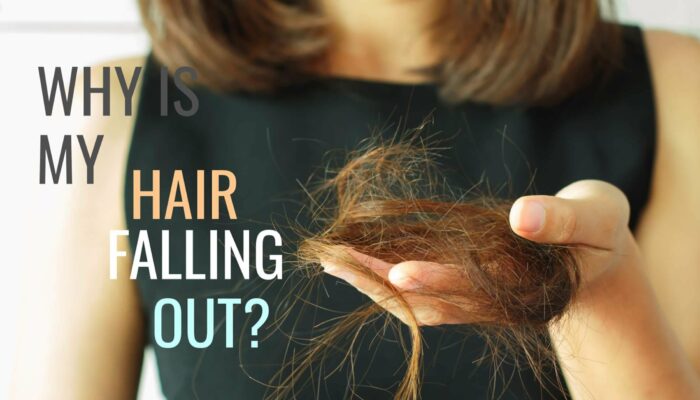
Hair has long been a potent symbol of identity, vitality, and social status across many cultures. When it appears in a dream as falling off, the experience often evokes feelings of vulnerability, loss, or impending change. Interpreting such dreams benefits from a multi‑layered approach that incorporates symbolic, spiritual, and psychological perspectives.
Symbolic Interpretations
Identity and Transformation
In symbolic frameworks, hair frequently represents the self‑image one projects to the world. A dream of hair shedding can signal a transitional phase in which outdated aspects of the self are being released, making space for new possibilities. This metaphor mirrors natural processes such as molting, suggesting a voluntary or forced metamorphosis.
Social and Cultural Standards
Many societies prize abundant, glossy hair as a beauty ideal. Losing hair in a dream may therefore reflect feelings of inadequacy, pressure to conform, or anxiety about external judgment. The dream can act as an unconscious alert that the dreamer is wrestling with the tension between authentic self‑expression and socially imposed expectations.
Spiritual Perspectives
Christianity
Within Christian symbolism, hair can embody glory, strength, and divine favor. The biblical narrative of Samson—who lost his power when his hair was cut—illustrates how hair loss may be read as a loss of spiritual vigor or a warning to reassess reliance on divine strength. Dreamers may be prompted to reflect on their relationship with faith and seek renewal.
Islam
In Islamic tradition, hair is associated with honor and personal beauty. Dreaming of hair loss may be interpreted as an omen of shame, hardship, or a reminder against vanity. Some scholars also view the loss as a catalyst for inner growth, suggesting that trials can deepen spiritual humility.
Indigenous and Other Cultural Views
Among various indigenous peoples, hair is regarded as a sacred conduit to the spirit world and ancestral lineage. A dream in which hair falls away can call the individual to reconnect with communal roots, honor ancestral wisdom, or resolve intergenerational issues affecting personal well‑being.
Psychological Analyses
Freudian Perspective
Sigmund Freud linked hair‑loss dreams to repressed anxieties concerning sexuality, power, or self‑esteem. The imagery may surface when unconscious conflicts about personal adequacy or fear of aging are being processed during REM sleep.
Jungian Perspective
Carl Jung regarded hair as an archetypal symbol of the “shadow”—the hidden, often denied aspects of the psyche. When hair falls off in a dream, it can signal an encounter with these shadow elements, urging integration and wholeness. As Jung wrote:
“The dream of losing hair is a call to confront the part of ourselves we have kept hidden, for only through acknowledgement can we achieve individuation.”
Contemporary Views
Modern dream research suggests that hair‑loss imagery may arise from everyday stressors, health concerns, or fears of losing control. The dream can mirror anxieties about aging, illness, or diminished autonomy, prompting the sleeper to address these underlying worries.
Integrative Summary
Dreams of hair falling off intertwine layers of meaning: personal transformation, cultural pressure, spiritual disconnection, and deep‑seated psychological tension. By examining the dream through these multiple lenses, individuals gain insight into their inner narratives and can use the experience as a catalyst for self‑reflection and growth.
FAQ
What does it mean when I dream of my hair falling out?
It often signifies a transition or loss of a part of your identity, prompting integration of hidden aspects of yourself.
Can cultural background influence the interpretation?
Yes, societies that value hair highly may associate the dream with shame or pressure, while other cultures may view it as a spiritual signal.
Is there a health connection to these dreams?
Dreams can reflect subconscious worries about health or aging, but they are not direct predictors of physical hair loss.



Leave a Reply