

Short Answer
Overview
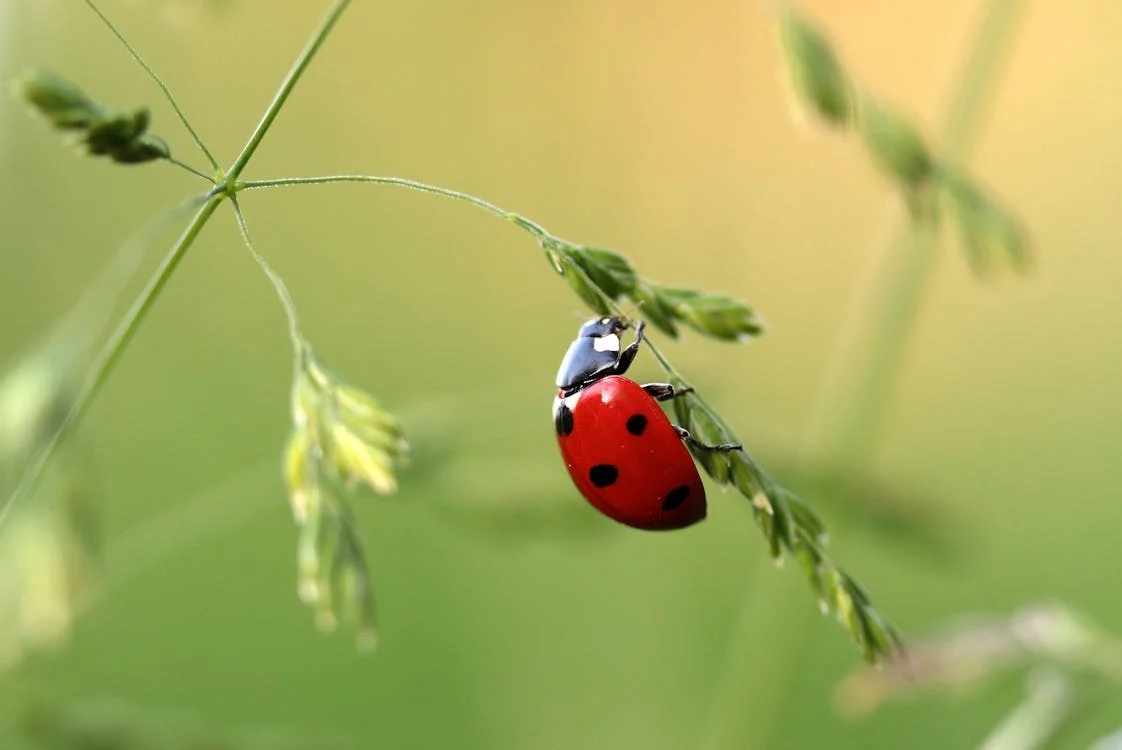
The ladybug, with its bright red wing‑covers and characteristic black spots, appears frequently in dream narratives. While the insect itself is modest, its symbolic weight is considerable. Across traditions, a ladybug in a dream is commonly linked to good luck, positive transformation, and subtle messages from the unconscious.
Cultural and Religious Symbolism
Christianity
In many Christian folk traditions the ladybug is associated with divine grace. Some believers view it as a messenger of the Virgin Mary, interpreting its appearance as a sign of blessing, protection, and spiritual guidance. Dreaming of a ladybug may therefore be read as an invitation to reflect on one’s faith and to recognize perceived divine oversight.
Islamic Perspectives
Although the ladybug does not occupy a prominent place in classical Islamic symbolism, insects in general are regarded as signs of Allah’s creation. Within this framework, a ladybug can represent the intricate balance of the natural world and serve as a reminder of humility and gratitude. A dream of a ladybug may encourage the dreamer to contemplate the blessings of creation and the importance of thankfulness.
Indigenous and Folk Beliefs
Various indigenous cultures regard the ladybug as an emblem of hope, renewal, and harmony with the earth. In these traditions, the insect’s appearance in a dream often signals a reconnection with nature and a call to nurture one’s mental and emotional well‑being. The ladybug embodies the cyclical processes of rebirth and the promise of new beginnings.
Psychological Interpretations
Jungian Viewpoint
From a Jungian perspective, insects can symbolize instinctual aspects of the psyche. The ladybug, being both delicate and vividly colored, may represent the dreamer’s desire for affection and nurturing. Its presence can highlight suppressed emotions or a yearning for care, prompting the individual to explore relational needs.
Emotions, Joy, and Serendipity
Contemporary psychologists often link the ladybug to openness toward joy and unexpected positive events. Dreaming of a ladybug may act as a gentle nudge to notice everyday beauty, cultivate optimism, and allow serendipitous moments to influence one’s outlook.
Common Dream Scenarios
- Seeing a ladybug – Usually interpreted as an omen of upcoming good luck or favorable change.
- A ladybug landing on you – Suggests personal blessings and a sense of being watched over.
- Multiple ladybugs – Amplifies the themes of abundance and collective positivity.
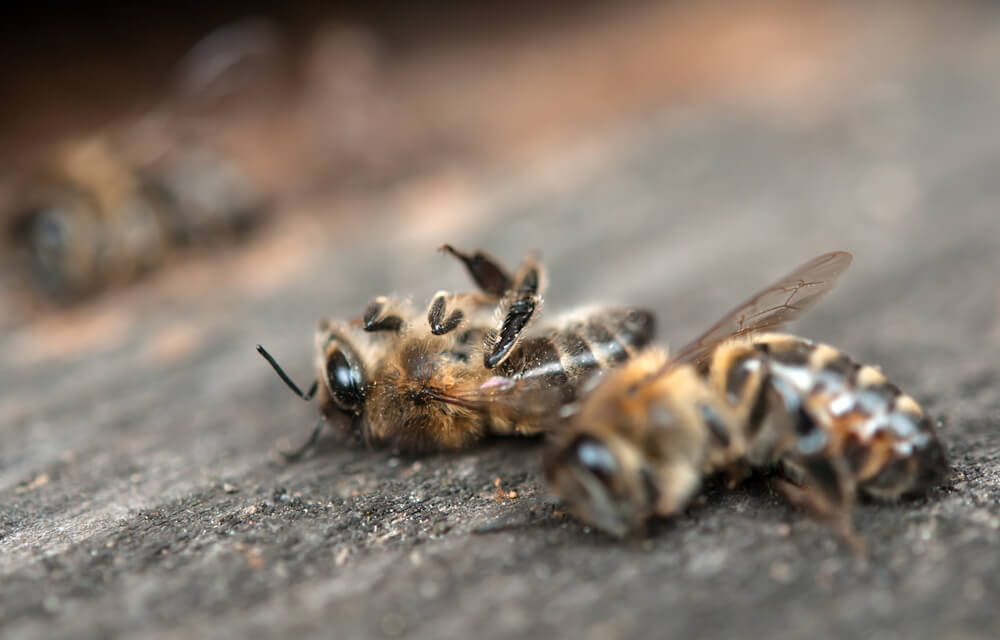
- A dead or dying ladybug – May indicate feelings of loss, missed opportunities, or a need to revive one’s enthusiasm.
Interpretive Summary
Across cultures and psychological frameworks, the ladybug in dreams serves as a compact symbol of luck, spiritual care, and inner emotional needs. Recognising its appearance can help individuals align with hopeful transformation and appreciate the subtle gifts of everyday life.
Further Exploration
For a deeper personal analysis, consider the context of the dream, the emotions experienced, and any recent life events that might resonate with the themes described above.
FAQ
What does it mean to dream of a ladybug landing on my hand?
It is generally seen as a personal blessing, indicating that positive opportunities may be approaching you.
Are ladybug dreams always positive?
While most interpretations emphasize luck and hope, the context—such as a dead ladybug—can suggest loss or the need to revive enthusiasm.
Can the number of spots on a ladybug alter its dream meaning?
Traditional symbolism does not assign specific meanings to the number of spots, though some individuals link larger numbers to greater abundance.

Leave a Reply