
Short Answer
Introduction
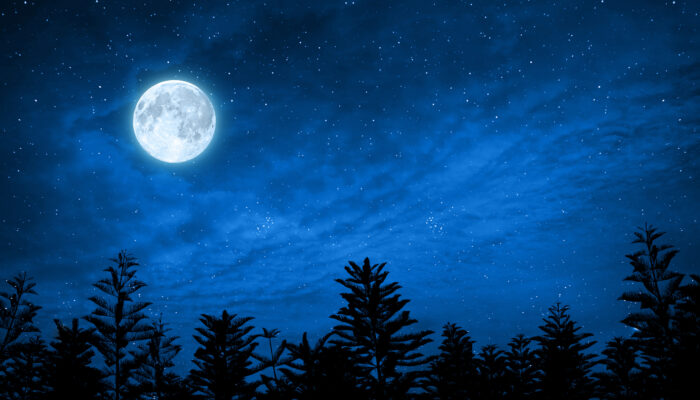
The full moon, with its bright, silvery disc, has long fascinated humanity. When it appears in dreams, the image is rarely accidental; it tends to carry layered meanings that touch on personal emotions, cultural narratives, and even spiritual beliefs. This article provides an encyclopedia‑style overview of the most commonly accepted interpretations of full‑moon dreams.
Symbolic Dimensions
In symbolic analysis, the full moon often represents completion, clarity, and duality. Its round, unbroken shape mirrors cycles of growth and renewal, suggesting a moment when hidden aspects of the psyche become visible.
- Completion or fulfillment: The moon at its fullest can signal that a project, relationship, or emotional process has reached its apex.
- Illumination: Light in darkness is a classic metaphor for insight; a full‑moon dream may indicate a sudden understanding or revelation.
- Duality: The moon reflects the sun’s light, embodying the interplay of opposing forces such as conscious‑unconscious or masculine‑feminine.
Logical Reasoning (Syllogistic Approach)
Dream analysts sometimes employ syllogistic reasoning to derive meaning:
Major premise: The full moon symbolizes clarity.
Minor premise: Clarity leads to self‑knowledge.
Conclusion: Dreaming of a full moon encourages personal insight.
This structure helps the interpreter move from a general symbol to a specific personal message.
Cultural and Religious Perspectives
Various traditions attribute distinct spiritual significance to the full moon.
Christianity
In Christian symbolism, the moon can denote divine guidance and the constancy of God’s light amid darkness. A full‑moon vision may be experienced as a reminder of spiritual vigilance or a call to deepen faith.
Islam
For Muslims, the lunar calendar governs important rituals such as Ramadan. The full moon often represents the completion of a holy month and may appear in dreams as an affirmation of religious devotion or a prompt to fulfill spiritual duties.
Indigenous Traditions
Many Native American cultures view the full moon as a time for communal gathering, storytelling, and reflection. Dreaming of a full moon in this context can suggest a need to reconnect with community values or ancestral wisdom.
Psychological Interpretations
Modern psychology investigates the so‑called “lunar effect,” a hypothesis that lunar phases influence mood and dream content. While empirical support is mixed, the symbolism remains useful in therapeutic settings.
- Emotional intensity: The bright light may amplify feelings, making suppressed emotions surface in the dream.
- Integration of fragmented self: The full disc can symbolize the integration of disparate personality parts, a theme explored in Jungian analysis.
- Stress and arousal: Some studies note increased reports of vivid dreams during full‑moon nights, possibly linked to altered sleep patterns.
Practical Guidance for Interpreting a Full‑Moon Dream
- Recall the emotional tone of the dream—was the moon comforting, ominous, or neutral?
- Identify any personal events that coincide with the dream’s timing; the moon often reflects real‑world cycles.
- Consider cultural or religious backgrounds that may color the symbol’s meaning for you.
- Reflect on areas of life where you feel a sense of completion or where insight is needed.
Conclusion
A full‑moon dream functions as a multifaceted mirror, reflecting emotional peaks, cultural narratives, and spiritual aspirations. By examining the symbol through its various lenses—symbolic, cultural, religious, and psychological—dreamers can gain a richer understanding of the messages their subconscious may be offering.
FAQ
What does it mean if I feel calm while dreaming of a full moon?
A calm emotional tone often suggests that the dreamer perceives the full moon as a source of guidance or completion, indicating inner peace regarding a current life phase.
Can a full‑moon dream predict future events?
Most scholars agree that dream symbols reflect internal states rather than literal predictions; the full moon typically highlights inner processes, not external forecasts.
Why do some people experience more vivid dreams during a full moon?
The so‑called lunar effect proposes that increased nocturnal illumination may affect sleep architecture, leading to more vivid or memorable dreams, though scientific evidence remains inconclusive.


Leave a Reply