

Short Answer
Introduction
Dreams often transform ordinary objects into potent symbols that reflect our inner world. In the digital age, the mobile phone has become an extension of the self, making its appearance—and loss—in dreams a noteworthy phenomenon. This article examines the symbolic, psychological, and spiritual dimensions of dreaming about a lost phone, while also considering cultural variations and practical implications for the dreamer.
Symbolic Interpretation
At its core, a mobile phone represents communication, connection, and personal identity. When the device disappears in a dream, several symbolic readings emerge:
- Breakdown in communication: The loss may mirror real‑life difficulties expressing thoughts or feeling unheard.
- Feeling isolated: A missing phone can evoke a sense of disconnection from friends, family, or community.
- Dependence on technology: The dream may highlight an over‑reliance on digital tools, prompting reflection on balance.
These themes are often interrelated; a single dream image can simultaneously touch on multiple symbolic layers.
Psychological Perspectives
Modern dream research links the motif of a lost phone with underlying emotional states:
- Anxiety and insecurity: Frequent worries about misplacing a phone in waking life can surface in dreams, representing broader fears of loss or failure.
- Control issues: The sudden disappearance of a device may symbolize perceived loss of control over personal or professional circumstances.
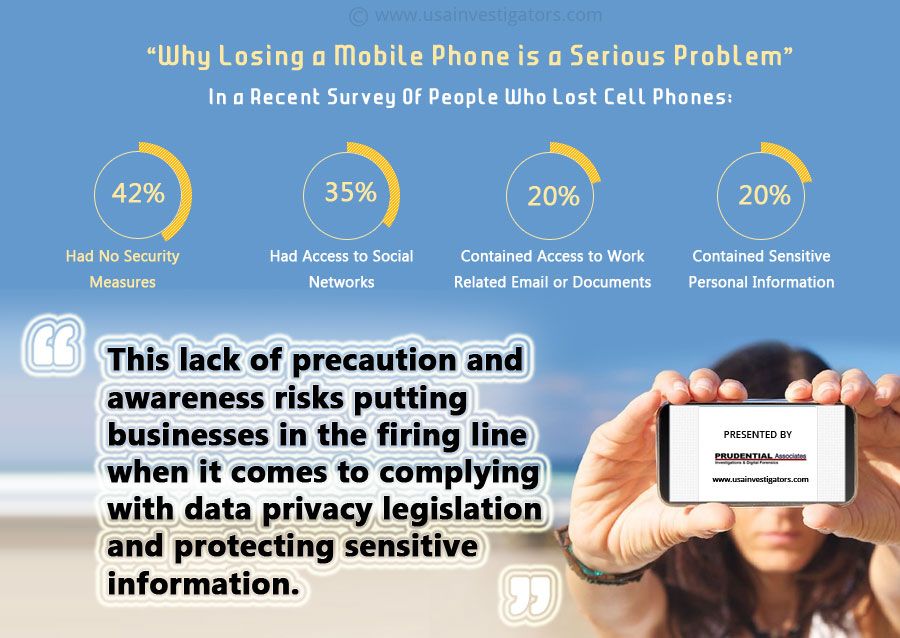
- Identity concerns: Since smartphones store personal data, their loss can reflect anxieties about self‑presentation or privacy.
According to Jungian theory, objects that serve as personal extensions (such as phones) become archetypal symbols of the “self” in the unconscious. The dream thus offers an opportunity to explore hidden aspects of one’s psyche.
Spiritual and Religious Views
Various traditions interpret a lost phone through a spiritual lens:
| Tradition | Interpretation |
|---|---|
| Christianity | May signal a feeling of being spiritually disconnected, urging the dreamer to seek renewed communication with the Divine. |
| Islam | Could be viewed as a reminder to balance material reliance with spiritual duties, encouraging introspection. |
| Indigenous perspectives | Often see the loss as a metaphor for shedding modern attachments to embrace traditional ways of knowing. |
While interpretations differ, a common thread is the invitation to reassess priorities and nurture authentic connections.
Cultural Variations
Beyond major religions, contemporary cultural commentary highlights the phone’s role in modern identity formation. In societies where digital presence equates to social status, dreaming of losing a phone may reflect underlying pressure to maintain an online persona.
Practical Implications for Dreamers
When encountering this dream, consider the following steps:
- Reflect on recent communication challenges: Identify any unresolved conversations or feelings of being unheard.
- Assess technology habits: Evaluate whether screen time interferes with offline relationships or personal well‑being.
- Journal the emotions felt during the dream: Noting anxiety, relief, frustration, or calm can guide deeper self‑analysis.
Engaging with the dream actively can transform a fleeting nighttime image into a catalyst for personal growth.
Conclusion
Dreaming of a lost phone weaves together themes of communication, anxiety, dependence, and spiritual yearning. By examining the symbolic, psychological, and cultural contexts, individuals can gain valuable insight into their waking lives and make more mindful choices about how they connect—with others, with technology, and with the deeper layers of their own consciousness.
FAQ
What does it mean if I dream I lost my phone during an important call?
It may reflect a fear of being unable to convey important information or a sense of losing control over a critical situation.
Can this dream indicate actual problems with my phone in waking life?
While dreams can mirror everyday concerns, the symbolism usually points to emotional or relational issues rather than a literal device malfunction.
How can I use this dream to improve my real‑life communication?
Identify moments where you feel unheard, practice active listening, and consider setting boundaries on digital device use to foster face‑to‑face interactions.

Leave a Reply