
Short Answer
Introduction
Dreams act as a mirror of the subconscious, translating emotions, memories, and concerns into vivid imagery. Among the many motifs that surface, flies are particularly striking because they evoke immediate feelings of revulsion or curiosity. This article examines the layered meanings attributed to flies in dreams, drawing from cultural traditions, spiritual teachings, and modern psychological theory.
1. Symbolic Representation of Flies
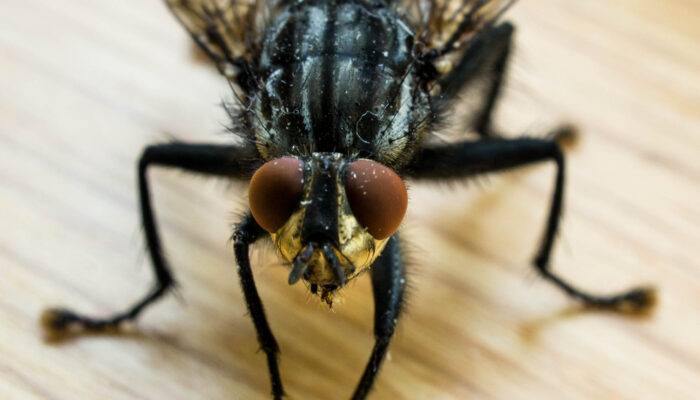
Historically, flies have been linked to decay, disease, and impurity. In the dream world, they often symbolize lingering negativity—unresolved conflicts, toxic relationships, or thoughts that persistently “buzz” in the mind. Their relentless movement can serve as a metaphor for nagging worries that refuse to disappear.
Conversely, flies emerge from decay, completing a life cycle that includes metamorphosis. This paradox allows flies to also represent transformation: the possibility that out of a deteriorating situation arises growth and renewal. Interpreting a fly dream therefore requires attention to both its negative connotations and its potential for indicating change.
2. Spiritual Interpretations Across Cultures
Christianity: Within Christian symbolism, flies may denote sin, moral corruption, or the consequences of impurity. Biblical references to swarms of flies often accompany narratives of judgment, urging the dreamer to examine personal conduct and spiritual alignment.
Islam: Islamic tradition acknowledges flies as reminders of cleanliness and divine creation. Hadith literature emphasizes the importance of hygiene, and a dream featuring flies can be interpreted as a call to purify both body and spirit.
Indigenous and Folk Beliefs: Numerous indigenous cultures view flies as messengers or carriers of hidden knowledge. Their appearance in dreams may signal the need to observe one’s environment closely, anticipating imminent change or upheaval.
3. Psychological Perspective
From a Jungian viewpoint, insects often embody aspects of the shadow self—elements that are repressed or denied. A fly can represent feelings of chaos, contamination, or vulnerability, prompting the dreamer to confront underlying anxieties.
Contemporary cognitive‑behavioral interpretations see flies as externalizations of stressors that demand attention. An overwhelming swarm may mirror a sense of being inundated by pressures at work, home, or within personal relationships.
4. Contextual Analysis of Fly Dreams
The meaning of a fly dream varies according to specific details:
- Number: A single fly usually points to a discrete annoyance, whereas a swarm suggests pervasive, unresolved issues.
- Behavior: Flies that bite may indicate emotional pain; flies that simply buzz could symbolize persistent thoughts.
- Life Stage: Encountering maggots (fly larvae) often signals the need to address a problem in its early, less visible stage before it escalates.
Personal reaction is also crucial. Fear may highlight avoidance, fascination could suggest curiosity about the hidden aspects of self, and indifference might reflect desensitization to certain stressors.
Conclusion
Flies in dreams are multifaceted symbols that blend cultural taboos, spiritual admonitions, and psychological signals. Whether they signify decay, a call for purification, or the promise of transformation, their presence invites the dreamer to engage in deeper self‑reflection. By examining the context, emotional tone, and personal associations, one can decode the fly’s message and potentially harness its insight for personal growth.
FAQ
What does a swarm of flies in a dream indicate?
A swarm often reflects feeling overwhelmed by many small stressors or unresolved issues that collectively create a sense of suffocation.
Are fly dreams considered negative in all cultures?
No. While many traditions associate flies with decay, others view them as messengers or symbols of transformation, suggesting a more nuanced interpretation.
How can I use the meaning of a fly dream for personal growth?
Identify the specific annoyance or anxiety the fly represents, address the underlying issue, and consider how the dream may be prompting you to transform a difficult situation into an opportunity.




Leave a Reply