
Short Answer
Overview
Across cultures and psychological frameworks, the image of discovering a pearl inside an oyster is a potent dream symbol. It merges natural processes with metaphorical meanings, suggesting that difficulties, when nurtured, can produce precious outcomes. This article examines the symbol from mythic, religious, cultural, and psychological perspectives.
Natural Basis of the Symbol
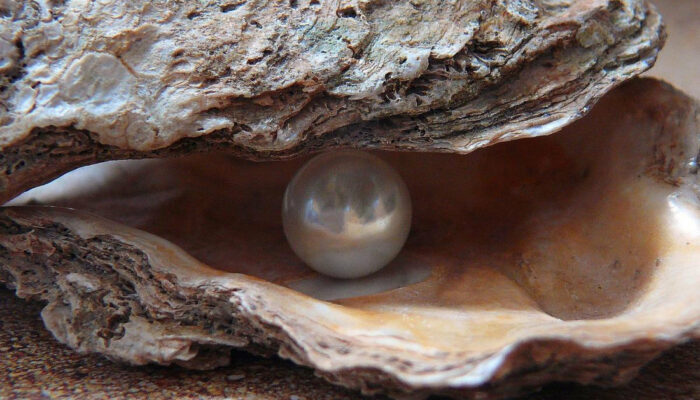
In reality, a pearl forms when an irritant—such as a grain of sand—enters an oyster’s shell. The mollusk secretes layers of nacre around the irritant, eventually creating a lustrous gem. Dream analysts often use this biological process as a syllogism for interpreting the dream: irritants (challenges) + careful layering (reflection) = a valuable pearl (personal insight).
Symbolic Interpretations
Historically, pearls have been linked to purity, wisdom, and spiritual enlightenment. The following sub‑sections outline how different traditions read the dream image.
Christianity
In the New Testament, Jesus tells the Parable of the Pearl of Great Price (Matt. 13:45‑46). The pearl represents the kingdom of heaven, a treasure worth sacrificing everything for. Dreaming of a pearl may therefore signal a call to prioritize spiritual values or to seek deeper meaning beyond material concerns.
Islam
The Qur’an frequently mentions pearls as symbols of divine beauty and wisdom. In Islamic dream literature, a pearl found in an oyster is interpreted as a sign of forthcoming success, spiritual awakening, or a reward for perseverance.
Asian Traditions
In Japanese culture, pearls embody perseverance and transformation. The act of an oyster turning an irritant into a beautiful gem mirrors the belief that diligent effort can convert hardship into something valuable. A dream of finding a pearl, therefore, can imply resilience and the promise of positive outcomes after sustained effort.
Psychological Perspective
From a Jungian viewpoint, the oyster represents the unconscious, while the pearl symbolizes latent potential or an undiscovered aspect of the self. The dream may be urging the dreamer to explore hidden emotions, untapped creativity, or unresolved conflicts. As Jung wrote, “The psyche is a self‑regulating system that strives toward wholeness,” and the pearl can be seen as a fragment of that wholeness waiting to be integrated.
Self‑Acceptance and Imperfection
Unlike flawless diamonds, pearls often have subtle irregularities. This imperfection underscores a psychological lesson: beauty and value do not require perfection. Recognizing the pearl’s natural flaws can encourage self‑acceptance and a more compassionate view of one’s own shortcomings.
Cultural Narratives and Literary References
Popular media frequently employ the pearl‑in‑oyster motif to signify hidden treasure or personal revelation. Characters such as Captain Jack Sparrow (seeking legendary pearls) or Marlin in Finding Nemo (searching tirelessly for his son) illustrate the archetypal journey of discovery that the dream symbol reflects.
Practical Interpretation Guidelines
- Context matters: Consider the emotions felt during the dream—joy, awe, anxiety—as they color the meaning.
- Life circumstances: If you are facing a challenging situation, the dream may reassure you that the struggle can yield growth.
- Spiritual inclination: Those on a religious or spiritual path might view the pearl as a call to deepen practice.
Conclusion
The dream of finding a pearl in an oyster weaves together natural processes, cultural myths, religious teachings, and psychological insights. Whether interpreted as a sign of personal growth, a spiritual invitation, or a reminder of inner worth, the symbol encourages the dreamer to recognize that within every irritation lies the potential for beauty.
FAQ
What does it mean if I feel joy when I find the pearl in the dream?
Joy suggests that you are recognizing and valuing a personal strength or insight that has emerged from a past difficulty.
Can this dream indicate a literal upcoming discovery of wealth?
Dream symbols are generally metaphorical; while they can reflect optimism about future success, they do not predict specific material gains.
How does the dream differ for someone with a strong religious background?
Individuals rooted in faith may interpret the pearl as a spiritual calling, aligning the image with teachings about divine treasure or salvation.






Leave a Reply