
Short Answer
Symbolism of a Road
In the language of dreams, a road often stands for the path of one’s life. It can indicate personal goals, the decisions that lie ahead, and the overall direction a dreamer feels they are moving toward. When a road appears, the subconscious may be pointing to a crossroads, urging reflection on future possibilities.
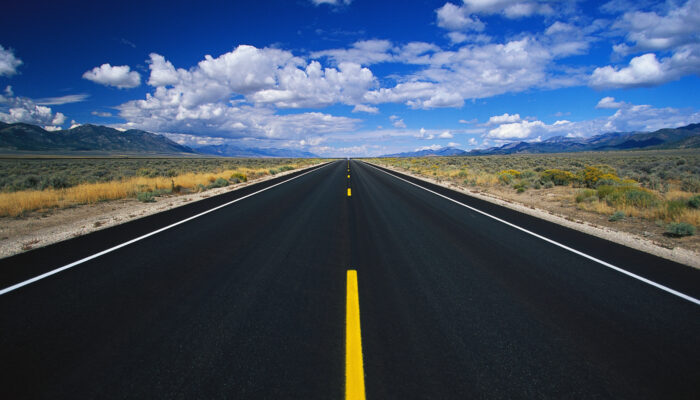
- Straight, well‑paved road – suggests clarity, confidence, and a sense of purpose.
- Winding or broken road – signals uncertainty, complexity, or obstacles that obscure the way forward.
- Road disappearing into fog – represents an unknown future or hidden opportunities.
Spiritual Meaning of a Road
Many religious traditions employ the road as a metaphor for the spiritual journey.
“Enter by the narrow gate… for the gate is wide and the way is broad that leads to destruction.” – Matthew 7:13‑14 (NIV)
Christianity: The “narrow way” emphasizes moral discipline and the pursuit of divine truth.
Islam: The “Sirat” or Straight Path described in the Qur’an denotes the route to salvation, demanding steadfast faith and ethical conduct.
Buddhism: The Noble Eightfold Path is visualized as a road leading toward the cessation of suffering and the attainment of enlightenment.
Psychological Interpretation of a Road
From a psychoanalytic perspective, roads function as metaphors for inner processes and personal development.
Sigmund Freud occasionally linked linear pathways with libidinal energy, while Carl Jung regarded the road as an archetypal journey toward individuation.
Contemporary therapeutic models, such as Cognitive‑Behavioural Therapy (CBT), view road imagery as reflecting decision‑making, goal‑pursuit, and perceived barriers.
- Blocked or under‑construction road – feelings of frustration or obstacles preventing progress.
- Road under heavy traffic – stress, overwhelm, or a sense of being crowded by external demands.
- Road widening into the horizon – optimism, openness to new opportunities, and a renewed sense of purpose.
Variations by Road Type
The specific characteristics of the road can modify its interpretation. The table below outlines common variations.
| Road Type | Typical Interpretation |
|---|---|
| Mountain road | Challenges that require effort, perseverance, and personal growth. |
| Desert road | Feelings of isolation, a search for meaning, or spiritual dryness. |
| City street | Social interactions, career concerns, or the routines of daily life. |
| Bridge over a road | Transition between phases, integration of opposing aspects, or a temporary passage. |
| Road at night | Uncertainty, fear of the unknown, or a need for inner guidance. |
Interpreting Personal Context
To derive a nuanced meaning, the dreamer should consider additional elements:
- Emotional tone – Was the dreamer calm, anxious, excited?
- Companions – Who else was on the road? Allies may symbolize support, while strangers can indicate unknown influences.
- Direction – Heading forward suggests progress; moving backward may point to revisiting past issues.
- Condition of the surroundings – Weather, lighting, and terrain add layers to the symbolic message.
Conclusion
Dreams of a road weave together symbolism, spirituality, and psychology. By attentively examining the road’s condition, direction, and contextual details, individuals can uncover insights about personal choices, inner conflicts, and the broader quest for meaning.
FAQ
What does it mean to dream of a straight, well‑paved road?
It usually reflects a sense of clarity, confidence, and alignment with one’s life purpose.
Why might a road appear shrouded in fog in a dream?
Fog often symbolizes the unknown or hidden possibilities, indicating uncertainty about future directions.
Can recurring road dreams suggest a need for change?
Repeated road imagery often signals that the dreamer is processing ongoing decisions or feeling stuck, prompting a reevaluation of life’s path.



Leave a Reply