
Short Answer
Introduction
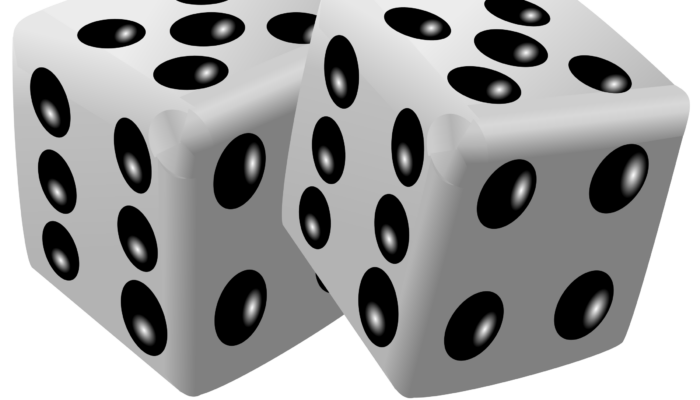
Dice are among the most recognizable gaming objects, yet when they surface in a dream they carry a rich symbolic load. From ancient divination practices to modern metaphors of risk, dice can reflect a dreamer’s relationship with chance, control, and destiny.
Cultural Symbolism of Dice
Throughout history dice have been linked to fate and the will of the gods. In ancient Greece they were used in the worship of Hermes, while the Roman practice of casting lots associated them with divine decision‑making. In many cultures the act of rolling dice represents the surrender of personal will to a higher order.
Western Religious Traditions
- Christianity: The New Testament recounts soldiers casting lots for Jesus’ garments (Matt. 27:35). This act is interpreted as a reminder that outcomes may be guided by divine providence.
- Islam: Although gambling is prohibited, the concept of Tawakkul—trust in God’s plan—can be symbolised by dice, urging believers to rely on divine wisdom while making choices.
Secular and Philosophical Views
In contemporary discourse dice often illustrate the randomness of opportunity, meritocracy, and social equity. They serve as a metaphor for how luck can influence life trajectories independent of effort.
Psychological Interpretation
From a Jungian perspective dice are archetypal symbols of the unconscious drive toward uncertainty and transformation. Rolling dice in a dream may signal an internal conflict between the desire for stability and the urge to embrace novelty.
From a cognitive‑behavioural angle, the image of dice can represent the dreamer’s perception of risk. When a dreamer feels stuck in routine, the dice become an invitation to consider alternative paths.
Common Dream Scenarios
- Watching dice tumble without rolling them – may indicate feelings of helplessness.
- Rolling a perfect “seven” – can reflect optimism about an upcoming decision.
- Losing dice or seeing broken dice – might symbolize fear of losing control.
Spiritual Perspectives Beyond the Abrahamic Faiths
In Hindu tradition, dice appear in the epic Mahabharata as a catalyst for the great war, highlighting the destructive potential of unchecked gambling. In East Asian folklore, dice are sometimes used in divination rituals to communicate with ancestors.
Creative and Playful Dimensions
“Dreams are the mind’s dice, rolling possibilities into the fabric of consciousness.” – Anonymous
Dreams featuring dice can spark artistic inspiration, urging the dreamer to experiment, improvise, or pursue a hobby that involves chance, such as improvisational theatre or spontaneous writing.
Practical Guidance for Interpreting Dice Dreams
- Identify the emotional tone: excitement, anxiety, indifference?
- Note the outcome of the roll: high numbers, low numbers, or a specific total?
- Consider recent life decisions that feel “risky” or “uncertain.”
- Reflect on any cultural or religious background that may colour the symbol.
Journalling the dream details and linking them to current circumstances often clarifies the personal meaning.
Conclusion
Dice in dreams encapsulate the tension between randomness and agency. Whether viewed through cultural history, psychological theory, or spiritual doctrine, they invite the dreamer to contemplate how much of life is left to chance and how much is shaped by deliberate choice.
FAQ
What does it mean to dream of rolling a high number on dice?
It often reflects optimism or confidence about an upcoming decision or opportunity.
Why might I feel anxious when I see broken dice in a dream?
Broken dice can symbolize a fear of losing control or concerns that chance is working against you.
Can dice dreams indicate a need for spiritual guidance?
In many religious traditions dice are linked to divine will, so such a dream may prompt the dreamer to seek counsel or prayer.
How can I use a dice dream for personal growth?
Reflect on the emotions and outcomes in the dream, then apply the insight to evaluate real‑world risks and choices more consciously.



Leave a Reply