
Short Answer
Introduction
Dreams that involve violence, especially stabbing, often provoke strong emotional reactions upon waking. While the image may appear shocking, such dreams usually serve as metaphoric messages from the unconscious mind rather than literal predictions of future behavior. Understanding the layers of meaning can help the dreamer identify hidden tensions, emotional needs, or spiritual cues.
Symbolic Interpretation
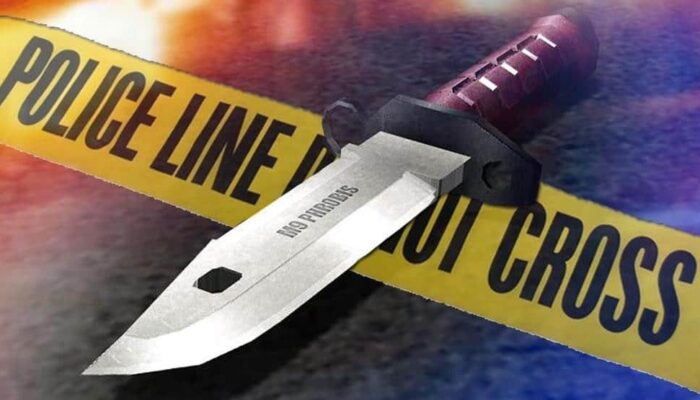
In dream symbolism, a knife or blade frequently represents the act of cutting—whether it be ties, habits, or emotional attachments. The specific act of stabbing intensifies this metaphor, suggesting a sudden, decisive break. Common symbolic themes include:
- Severing Relationships: The dream may reflect a wish to end a toxic partnership or to distance oneself from a harmful influence.
- Transformation: Some traditions view the blade as a tool of purification, indicating a subconscious readiness for personal change.
- Expression of Anger: When the dreamer feels powerless in waking life, stabbing can embody repressed aggression seeking release.
Emotion is a crucial interpretive key. A feeling of relief after the act points toward a desire for liberation, whereas terror or guilt suggests unresolved guilt or fear of harming others.
Psychological Perspectives
From a psychoanalytic standpoint, both Freud and Jung addressed violent dream content. Freud considered such imagery an expression of repressed instinctual drives, often linked to feelings of powerlessness. Jung, on the other hand, saw violent symbols as manifestations of the collective unconscious, where archetypal images surface to prompt personal growth.
Modern research aligns with these ideas, indicating that dreams often process emotions that were suppressed during waking hours. A study by Domhoff (2003) found that aggressive dream content correlates with heightened stress levels and perceived threats in daily life.
| Psychological Lens | Typical Interpretation |
|---|---|
| Freudian | Repressed instinctual aggression seeking symbolic outlet. |
| Jungian | Archetypal image urging integration of shadow aspects. |
| Contemporary Cognitive | Processing of unresolved conflict or stress. |
Spiritual and Cultural Views
Interpretations vary across religious traditions:
- Christianity: A stabbing dream may symbolize betrayal or the need for forgiveness, echoing biblical narratives of treachery.
- Islam: Such a dream can be seen as a warning to rectify moral lapses or to seek reconciliation with others.
- Shamanic/Indigenous: The act may represent a rite of passage, urging the dreamer to confront personal shadows and emerge transformed.
In many cultures, knives are both tools of creation and destruction, underscoring the dual nature of the symbolism.
Common Triggers and Emotional Context
Identifying waking‑life triggers can clarify the dream’s message. Typical catalysts include:
- Recent arguments or unresolved disputes.
- Feelings of being threatened or powerless.
- Major life transitions such as career changes, break‑ups, or relocations.
Keeping a dream journal helps track patterns and emotional tones, making it easier to see connections between daily events and dream content.
Personalizing the Interpretation
Because dream symbolism is highly individualized, consider the following reflective questions:
- Who was the person being stabbed, and what does that individual represent in your life?
- What emotions accompanied the act—relief, fear, guilt, or empowerment?
- Did the knife appear as a specific object (e.g., kitchen knife, dagger) and what personal associations do you have with that object?
Answers to these questions can narrow the meaning from a broad archetype to a personal narrative.
Guidance for Reflection
When a stabbing dream unsettles you, consider these steps:
- Journal the Experience: Note details, emotions, and any waking‑life stressors.
- Explore Underlying Feelings: If anger emerges, seek healthy outlets such as exercise, creative expression, or counseling.
- Address Conflict: If the dream points to a specific relationship, evaluate whether boundaries need reinforcement or reconciliation is possible.
- Seek Spiritual Insight: For those inclined, prayer, meditation, or consultation with a spiritual advisor may provide additional perspective.
Conclusion
Stabbing dreams are complex symbols that intertwine emotional, psychological, and spiritual dimensions. By examining the act’s metaphorical weight, the dreamer’s emotional response, and the broader cultural context, one can transform a disturbing night‑time image into a catalyst for personal insight and growth.
FAQ
Why do I feel relief after stabbing someone in a dream?
Relief often indicates a subconscious desire to end a stressful situation or cut ties with a harmful influence.
Can a stabbing dream predict real‑world violence?
No. Such dreams are symbolic and reflect internal emotional states rather than future actions.
How can I reduce violent imagery in my dreams?
Address underlying stress, practice relaxation techniques before sleep, and consider therapy to work through unresolved anger.




Leave a Reply