

Short Answer
Understanding the Symbolism of Dead Bugs in Dreams
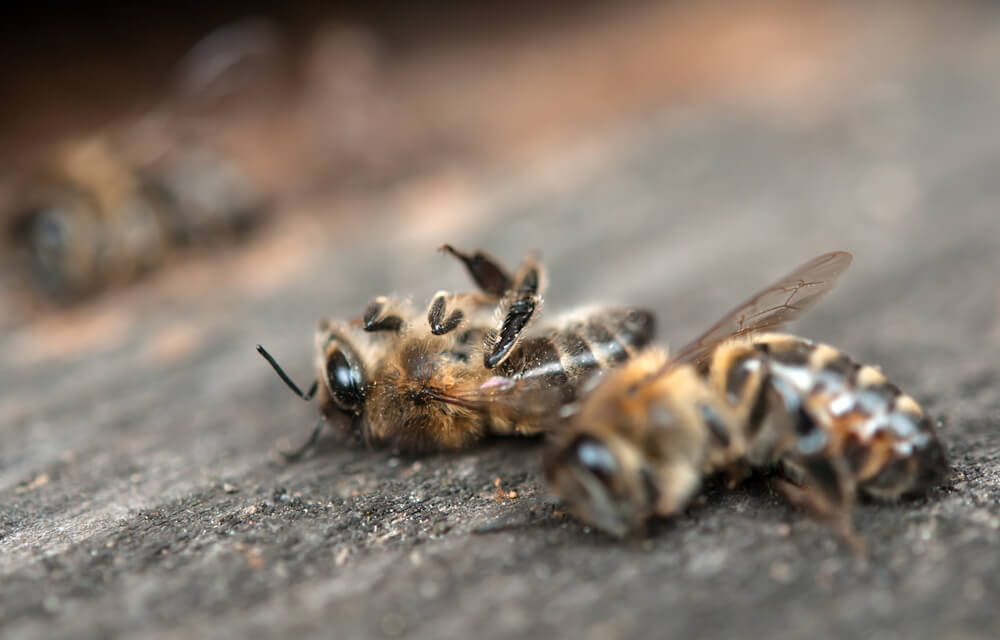
Dreams often act as portals to the subconscious, translating our deepest fears, aspirations, and unresolved tensions into symbolic imagery. While common symbols like water or falling are widely documented, the appearance of a dead bug is a more specific and often unsettling image. Far from being merely a random nocturnal occurrence, the presence of dead insects in a dream can provoke profound introspection regarding one’s mental and spiritual state.
Psychological Interpretations
From a psychological perspective, insects in dreams frequently represent “pests”—the minor irritations, nagging anxieties, or persistent problems that plague our waking lives. When these creatures appear dead, the meaning shifts from active distress to a state of resolution.
Resolution and Closure
The transition from a living bug to a dead one often symbolizes the cessation of a troubling situation. If bugs represent problems, then dead bugs signify that these issues have been neutralized. This can be interpreted as the dreamer’s subconscious acknowledging that a period of stress has ended or that a particular adversity has been overcome.
Emotional Residue and Neglect
Conversely, dead bugs may reflect emotional remnants. They can symbolize:
- Buried Regrets: Feelings of guilt or anxiety that have been suppressed but not fully processed.
- Neglect: Areas of one’s life that have been left to decay or abandoned, mirroring the lifeless state of the insect.
- Avoidance: A prompt to confront “dead” issues that still linger in the psyche, urging the dreamer to engage in active healing.
Spiritual and Religious Perspectives
Across various faith traditions, the imagery of death and decay is rarely viewed as a definitive end, but rather as a catalyst for change.
Christian and Islamic Interpretations
| Tradition | Symbolic Meaning of Decay/Dead Insects |
|---|---|
| Christianity | Often linked to spiritual purification; the shedding of earthly burdens to achieve resilience and rebirth through faith. |
| Islam | Reflects the transience of life and the cyclical nature of existence, suggesting that every experience serves a divine purpose. |
Metamorphosis and Transformation
In many spiritual frameworks, insects are quintessential symbols of metamorphosis. Because insects undergo dramatic physical changes (such as a caterpillar becoming a butterfly), a dead bug can represent the end of one life chapter to make room for another. In this context, the “death” of the bug is a prerequisite for rejuvenation and personal growth.
Cultural Significance
Cultural lenses further diversify the meaning of these dreams. In some Indigenous cultures, insects are revered for their resourcefulness and resilience. Consequently, dreaming of a dead bug may be interpreted as the relinquishment of outdated habits. It suggests that the dreamer is shedding layers of identity or behavioral traits that no longer serve their spiritual or physical journey, allowing for a more authentic version of the self to emerge.
Conclusion: Integrating the Dream Experience
The dream meaning of dead bugs is a complex tapestry woven from psychological, spiritual, and cultural threads. Whether the image evokes disgust or relief, it serves as an impetus for self-awareness. By analyzing the context of the dream—how the dead bug was found and the emotions felt during the experience—dreamers can unlock valuable insights into their journey toward enlightenment and emotional resilience.
FAQ
Is dreaming of dead bugs always a bad sign?
No. In many interpretations, it is a positive sign indicating that a problem has been resolved or that you are entering a phase of transformation.
Why do I feel disgusted by dead bugs in my dreams?
The feeling of disgust often mirrors a psychological desire to purge negative influences or 'toxic' elements from your waking life.
What if there are many dead bugs in the dream?
A large number of dead bugs may suggest a widespread clearing of obstacles or, conversely, a feeling that many areas of your life have been neglected.

Leave a Reply