
Short Answer
Introduction
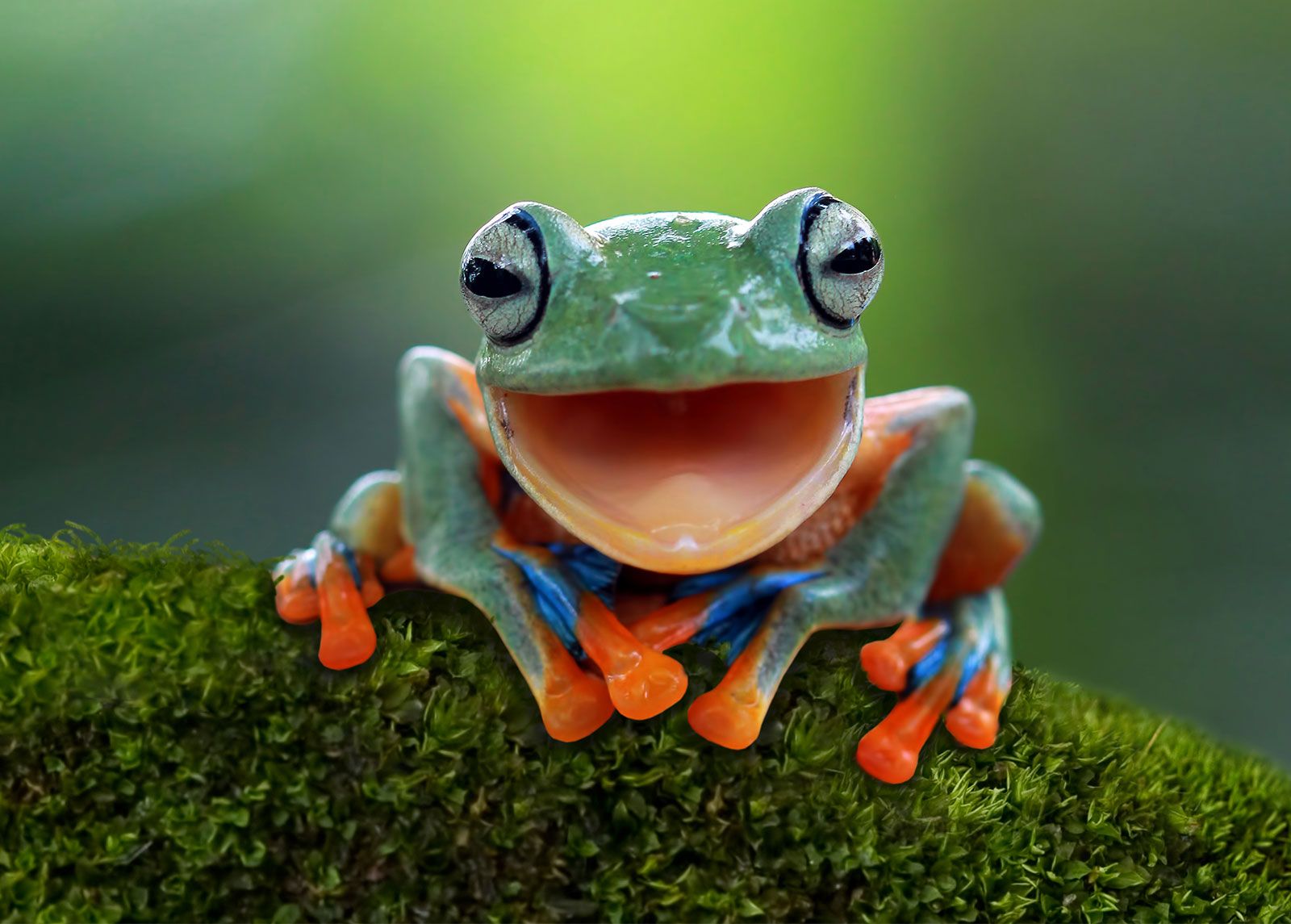
Dreams often convey complex messages through vivid symbols. Among the many creatures that populate the nocturnal imagination, the frog stands out for its rich associations with change, water, and dual existence. This article examines the multifaceted interpretations of dreaming about a frog, drawing from cultural traditions, religious texts, and contemporary psychological theory.
Frogs as Symbols of Transformation
Frogs undergo a remarkable metamorphosis—from egg to tadpole, then to adult amphibian. This biological transition makes them archetypal symbols of personal growth and renewal. In a dream, a frog can signal that the dreamer is on the brink of a significant life change, encouraging openness to new possibilities.
Key Themes
- Metamorphosis: Represents personal development, career shifts, or spiritual awakening.
- Renewal: Suggests a fresh start after a period of difficulty.
- Hope: Invites optimism about future outcomes.
Cultural and Religious Interpretations
Different cultural frameworks assign distinct meanings to frogs, often reflecting local cosmologies and moral teachings.
Christianity
In the biblical narrative of the plagues of Egypt, frogs symbolize both pestilence and purification. A frog appearing in a Christian dream may prompt reflection on moral cleansing, repentance, or divine judgment.
Islam
Islamic dream literature links frogs to resurrection and renewal, implying a promise of second chances or spiritual rebirth. Dreamers may interpret the image as encouragement to pursue redemption.
Native American Traditions
Many Indigenous cultures view frogs as rain‑bringers, embodying fertility, abundance, and transition. A frog in a dream can foretell favorable conditions, such as prosperity or the arrival of supportive opportunities.
Psychological Perspectives
From a Jungian standpoint, amphibians occupy the border between water (the unconscious) and land (conscious reality). Consequently, a frog can represent the integration of hidden emotions with everyday awareness.
Emotional Insight
The amphibian’s association with water points to the realm of feelings, intuition, and the unconscious mind. Dreaming of a frog may indicate that suppressed emotions are surfacing, urging the dreamer to explore them.
Vulnerability and Resilience
Frogs are often perceived as delicate, yet they thrive in diverse habitats. This duality mirrors human experiences of vulnerability paired with inner strength. The dream may therefore encourage the individual to confront fears while recognizing personal resilience.
Balance Between Dualities
Because frogs live both in water and on land, they embody the need for balance between rational thought and emotional intuition. A dream featuring a frog can be a reminder to harmonize these aspects of the self.
Adaptability and Future Orientation
The frog’s capacity to navigate multiple environments underscores the value of flexibility. In the context of future planning, the dream may signal that adaptability will be crucial for navigating upcoming challenges.
Conclusion
The appearance of a frog in a dream weaves together themes of transformation, emotional depth, cultural heritage, and psychological integration. Whether viewed through the lens of mythology, religion, or modern psychology, the amphibian invites the dreamer to embrace change, explore inner waters, and cultivate a balanced, adaptable approach to life’s evolving currents.
FAQ
What does it mean to dream of a frog jumping?
A jumping frog often emphasizes the dreamer's readiness to take decisive action and embrace upcoming changes.
Is a dead frog in a dream a negative omen?
A dead frog may signify the end of a particular phase or the release of old emotional patterns, rather than a purely negative sign.
Can dreaming of a frog indicate health concerns?
While not a direct diagnostic tool, some traditions associate frogs with skin or respiratory health, suggesting the dreamer pay attention to these areas.

Leave a Reply