
Short Answer
Introduction
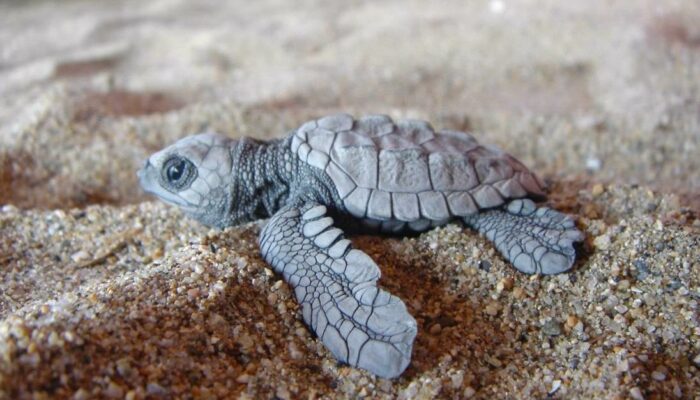
Baby turtles appear in dreams as gentle yet potent symbols. Their slow emergence from the egg and journey toward the sea evoke themes of birth, transformation and perseverance. This article surveys the spiritual, cultural and psychological dimensions of the baby turtle motif, providing a framework for personal interpretation.
Symbolism of New Beginnings
In many dream traditions the image of a hatchling turtle represents the start of a fresh phase—whether it be a new project, relationship, or inner insight. The creature’s deliberate, cautious movement highlights the need for patience while nurturing nascent ideas.
Key Themes
- Vulnerability: The soft body and open shell signal a period of exposure.
- Protection: The developing shell foreshadows the emergence of inner defenses.
- Growth: The journey from sand to water mirrors personal development.
Spiritual Interpretations
Christianity
Within Christian symbolism turtles embody steadfastness and faith. Their habit of withdrawing into the shell is likened to seeking refuge in divine grace during trials.
Islam
Islamic dream literature associates turtles with balance and measured action. The slow, deliberate pace serves as a reminder to act with contemplation and humility, echoing Qur’anic teachings on patience.
Indigenous and Earth‑Based Traditions
Many indigenous cultures revere turtles as earth‑keepers, linking them to longevity, wisdom and the planet itself. A baby turtle’s trek toward the ocean can be read as a metaphor for returning to one’s origins and honoring the cycle of life.
Psychological Perspective
From a modern psychological stance, the baby turtle often represents the dreamer’s inner child—an aspect that craves care, safety and gentle encouragement. The juxtaposition of a fragile exterior with a sturdy shell reflects the duality of human vulnerability and resilience.
Jungian Analysis
Carl Jung described animal symbols as projections of the unconscious. The hatchling turtle, in this view, is an archetype of the Self striving toward wholeness, navigating obstacles while gradually unveiling its protective layers.
Cultural Context and Mythic Motifs
Across continents, turtles feature in myths that stress perseverance against overwhelming odds. The famous migration of sea‑turtle hatchlings—facing predators and currents—mirrors the dreamer’s quest for purpose amid adversity.
Practical Interpretation Guide
- Identify the setting: beach, water, forest—each adds nuance.
- Observe emotions: fear, tenderness, curiosity—these colour the meaning.
- Consider personal associations with turtles or childhood memories.
- Reflect on current life transitions that may parallel a hatchling’s journey.
Conclusion
Dreams of baby turtles weave together strands of spirituality, cultural heritage and inner psychology. Whether seen as a call to protect one’s nascent ideas, an invitation to trust in a higher order, or a reminder of innate resilience, the symbol encourages the dreamer to honor vulnerability while moving confidently toward growth.
FAQ
What does it mean to dream of a baby turtle walking toward the ocean?
It usually signifies a personal transition or new venture that requires patience, courage, and a willingness to face obstacles.
Why do baby turtles appear in my dream when I feel vulnerable?
The dream reflects the inner child's need for protection and nurturing, urging you to attend to that part of yourself.
Can the baby turtle symbol indicate spiritual growth?
Yes; many traditions view the hatchling as a metaphor for the soul’s emergence and its gradual alignment with higher purpose.

Leave a Reply