
Short Answer
Introduction to Wolf Symbolism in Dreams
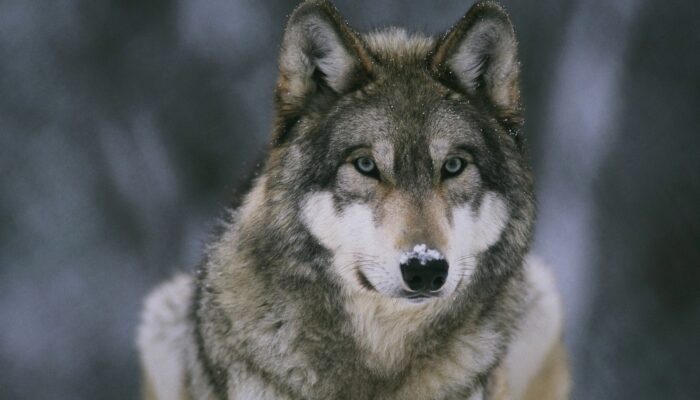
Wolves have captivated the human imagination for millennia, serving as both figures of terror and symbols of profound loyalty. From the cunning antagonists in folklore, such as the wolf in “Little Red Riding Hood,” to the fierce protectors like the direwolves in “Game of Thrones,” wolves represent a complex amalgamation of primal energies. In the realm of dream interpretation, the appearance of a wolf often signals a confrontation with the raw, untamed aspects of the dreamer’s own psyche.
Psychological Perspectives: The Shadow and the Instinct
From a psychological standpoint, wolves often mirror the hidden or unacknowledged parts of the self. They may embody instincts, desires, or fears that exist beneath the surface of conscious awareness.
The Jungian Shadow
In Jungian psychology, the wolf is frequently aligned with the archetype of the shadow. The shadow encompasses the traits and emotions we suppress or deny. Encountering a wolf in a dream may be a prompt from the subconscious to explore these darker facets, suggesting a journey toward self-acceptance and psychological integration.
Power and Empowerment
Because of their dual nature—combining lethal fierceness with unwavering loyalty—wolves can signify personal empowerment. Such dreams may urge the dreamer to embrace their “wild side” or reclaim a sense of strength and autonomy that has been dormant in their waking life.
Cultural and Mythological Interpretations
The meaning of a wolf dream is often colored by the cultural lens through which the dreamer views the world. Various civilizations have attributed distinct spiritual roles to these animals.
- Native American Traditions: The wolf is often viewed as a teacher and guardian, embodying deep instinct, intelligence, and a profound understanding of the human experience. It serves as a guide for those on a path of self-discovery.
- Norse Mythology: The wolf Fenrir represents fate and inevitable destruction, symbolizing the chaotic forces of life and the wisdom that can only be gained through hardship.
- Celtic Mythology: Wolves are linked to the “Otherworld,” signifying divine transformation and guidance through life’s most precarious transitions.
- Asian Cultures: In various Asian traditions, wolves are respected for their intelligence and are often regarded as protectors of the natural order.
Spiritual and Religious Contexts
Spiritual interpretations of wolves often present a dichotomy between malevolence and virtue.
| Framework | Negative Symbolism | Positive Symbolism |
|---|---|---|
| Christianity | Predatory nature (“wolf in sheep’s clothing”); malevolence. | Loyalty, courage, and sacrifice in the face of adversity. |
| Islam | Predation, danger, and resistance to faith. | Fidelity to kinship and the importance of family pack dynamics. |
Social Dynamics: The Pack vs. The Lone Wolf
One of the most poignant aspects of wolf symbolism is the tension between individuality and community. This duality offers a lens through which to assess one’s own social relationships:
The wolf’s social structure reflects the innate human need for connection, love, and support, yet its reputation for roaming solo encapsulates the nuances of solitude and self-reliance.
A dream featuring a wolf pack may highlight the importance of loyalty and kinship, while a “lone wolf” may suggest feelings of isolation or a conscious choice to navigate a perilous landscape independently.
Conclusion
Ultimately, the dream meaning of the wolf transcends simple folklore; it taps into the very fabric of our psychological and spiritual existence. Whether the wolf appears as a predator to be feared or a guide to be followed, it serves as a powerful emblem urging us to reconcile our civilized selves with our primal instincts. By embracing the “wolf within,” dreamers can move toward a more courageous, authentic, and integrated existence.
FAQ
What does it mean if a wolf is chasing me in a dream?
This often represents an attempt to avoid a hidden part of yourself or a fear of a predatory person or situation in your waking life.
Is dreaming of a wolf always a bad sign?
No. While wolves can represent danger, they also symbolize intelligence, loyalty, and strong intuition.
What does a lone wolf signify in a dream?
It typically reflects a feeling of isolation or, conversely, a strong sense of independence and self-reliance.



Leave a Reply