
Short Answer
Introduction
Dreams in which a dog disappears can be particularly unsettling because dogs are widely regarded as loyal companions. The loss of such a familiar animal in the dream world often evokes feelings of anxiety, grief, or confusion. This article surveys the psychological, symbolic, and cultural dimensions of the “lost dog” motif and offers practical steps for interpreting the experience.
Psychological Perspectives
Loyalty and Attachment Theory
Attachment theory treats close relationships as a source of emotional security. Within this framework a dog represents a secure bond; its loss in a dream may mirror subconscious worries about a real‑world rupture with a partner, family member, or close friend. The dream provides a safe arena for rehearsing the possible separation.
Grief, Loss, and the Subconscious
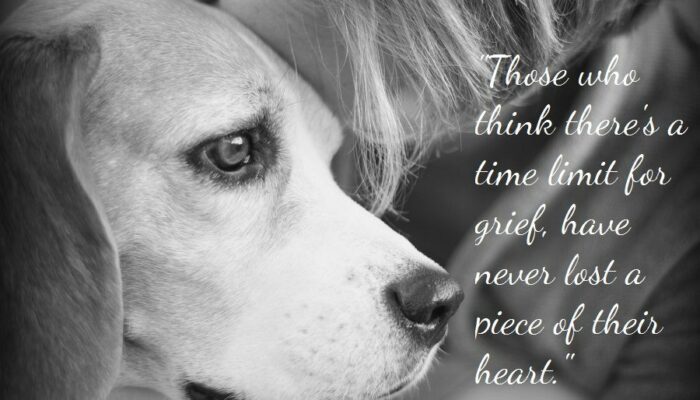
The unconscious frequently employs familiar symbols to process unresolved grief. If the dreamer has recently lost a pet, is anticipating a separation, or is navigating a major life transition, the image of a missing dog can act as a symbolic echo of that mourning. Studies of dream content (Domhoff, 2003) show that loss motifs often correspond with recent or expected changes.
Symbolic Interpretation
Dogs as Guides and Instinctual Forces
In Jungian analysis the dog can embody the animus, instinctual drives, or a protective guide. Dreaming of its disappearance may indicate a perceived weakening of inner guidance, prompting the dreamer to reconnect with intuitive wisdom.
Loss of Control and Life Transitions
Because dogs also symbolize routine and loyalty, their absence can signal a period of upheaval—such as a career change, relocation, or the end of a long‑term relationship—where the individual must navigate uncertainty and renegotiate personal control.
Cultural and Religious Views
Christianity
Within many Christian traditions dogs represent faithfulness and protection. A dream of losing a dog may be interpreted as an invitation to examine one’s spiritual devotion or to renew trust in divine guidance.
Islam
Islamic dream literature presents a nuanced picture. While dogs are sometimes regarded as ritually impure, they can also symbolize aspects of the self that require purification. The loss may therefore reflect a desire to cleanse negative habits or thoughts.
Indigenous and Totemic Traditions
Several Indigenous cultures regard dogs as spirit guides or totems. The temporary disappearance of a totemic dog can indicate a loss of direction, urging the individual to engage in rituals that restore balance with the natural world.
Comparative Overview
| Culture/Religion | Primary Symbolic Meaning of Dog | Interpretation of Losing the Dog |
|---|---|---|
| Christianity | Loyalty, protection | Call to reassess spiritual fidelity |
| Islam | Purity vs. impurity | Need for personal purification |
| Indigenous (various) | Totemic guide | Temporary loss of direction, need for ritual |
Common Triggers and Situational Factors
- Recent or anticipated separation from a pet or loved one.
- Major life transitions such as moving, job change, or divorce.
- Feelings of insecurity in personal relationships.
- Unresolved grief from past loss.
- High stress or anxiety levels before sleep.
Guidance for Dreamers
To derive meaning from a dream of a lost dog, consider the following reflective steps:
- Journal the details. Record the setting, emotions, and any actions taken to locate the dog.
- Identify waking‑life parallels. Reflect on current relationships or situations that feel unstable.
- Explore emotional undertones. Ask whether you feel abandoned, guilty, or ready for change.
- Seek supportive dialogue. Discuss the dream with a therapist, spiritual advisor, or trusted confidante.
- Engage in grounding practices. Activities such as walking a real dog, meditation, or creative expression can help integrate the dream’s message.
“Animals in dreams are the most direct expressions of the unconscious, for they act without the veil of language.” – Carl G. Jung
Conclusion
Dreams of losing a dog intertwine personal attachment, subconscious grief, and cultural symbolism. By examining psychological foundations, symbolic layers, and spiritual contexts, individuals can transform a distressing nocturnal vision into a catalyst for self‑reflection, healing, and renewed connection with both inner and outer worlds.
FAQ
Why do I dream of losing my dog?
The dream may reflect concerns about losing emotional security, pending life changes, or unresolved grief related to a personal bond.
Can this dream indicate an upcoming loss?
Dreams often symbolize current emotions rather than predict future events; they can highlight anxieties about potential loss but do not serve as reliable forecasts.
How can I use this dream for personal growth?
By journaling the details, exploring related waking‑life stresses, and possibly discussing the dream with a therapist, you can gain insight into underlying fears and strengthen coping strategies.


Leave a Reply