
Short Answer
Overview
Wild animals have long fascinated humanity, embodying both awe and fear. When they appear in dreams, they become potent symbols that can reveal hidden aspects of the dreamer’s personality, emotional state, and life circumstances. Interpreting these symbols requires an interdisciplinary approach that considers cultural traditions, religious teachings, and modern psychological theory.
Cultural and Religious Symbolism
Christian Tradition
In Christian symbolism the lion often represents Christ’s authority and resurrection, embodying courage, royalty, and divine power. Conversely, the wolf is frequently associated with deceit and danger, echoing biblical warnings about “wolves in sheep’s clothing” that threaten the faithful.
Islamic Tradition
The Qur’an employs animal imagery to convey moral lessons. The eagle and the horse are linked with nobility, freedom, and virtue, while the wolf denotes solitary aggression and betrayal. These motifs encourage believers to pursue righteousness and avoid the pitfalls of treachery.
Indigenous and Mythological Views
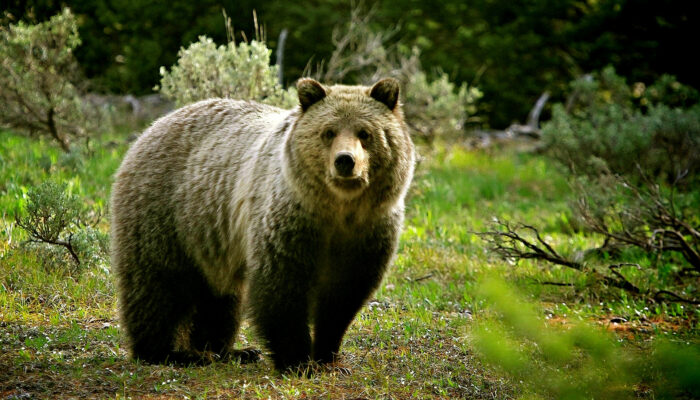
Among many indigenous cultures, the bear stands for strength, introspection, and healing. The wolf is revered as a guide and a symbol of community, emphasizing loyalty and the importance of social bonds. Such interpretations illustrate how wild animals serve as cultural archetypes that guide communal values.
Psychological Perspectives
Freudian View
Sigmund Freud regarded dreams as expressions of repressed desires. Wild animals can embody primal urges from the id, urging the dreamer to confront instinctual drives that have been suppressed in waking life.
Jungian View
Carl Jung expanded the analysis by identifying wild animals as manifestations of archetypes and the shadow self. Encountering a fierce animal may signal an aspect of the personality that has not yet been integrated into conscious awareness, offering an opportunity for personal growth.
Common Wild Animal Symbols in Dreams
- Lion: Courage, leadership, and personal authority. May indicate a need to assert oneself.
- Wolf: Social dynamics, loyalty, or warning against deceit. Can reflect feelings of isolation or the need for teamwork.
- Bear: Inner strength, protection, and deep introspection. Suggests a period of self‑care or confronting personal power.
- Snake: Transformation, hidden threats, or sexual energy. Often points to a situation requiring careful navigation.
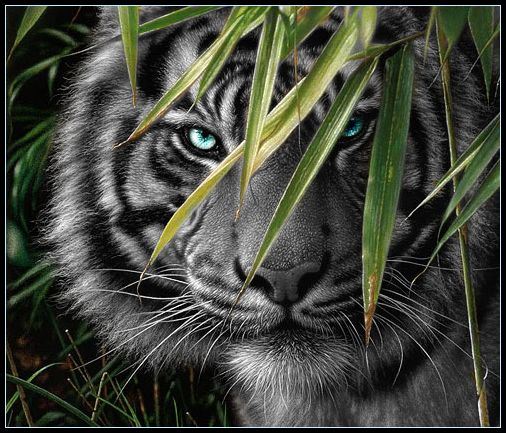
- Tiger: Raw ambition, aggression, and the drive to overcome obstacles. May signal a confrontation with fear.
- Stallion or Wild Horse: Desire for freedom, adventure, and unbridled passion. Encourages the dreamer to pursue personal aspirations.
Interpretation for Younger Dreamers
Adolescents and young adults frequently experience rapid identity development. Dreams of wild animals can mirror the turbulence of this stage, symbolizing the push‑and‑pull between independence and belonging. For example, a dream of a prowling tiger might reflect the anxiety of facing new challenges, while a gentle bear could reassure the dreamer of inner resilience.
Conclusion
Across religions, folklore, and modern psychology, wild animals in dreams function as mirrors of the subconscious. Whether they appear as majestic lions, cunning wolves, or powerful bears, these symbols invite reflection, self‑acceptance, and personal evolution. Approaching such dreams with curiosity rather than fear can unlock valuable insights into one’s inner world.
FAQ
What does it mean to dream of a lion?
A lion often symbolizes personal power, leadership, and the courage to face challenges.
Why do snakes appear in dreams?
Snakes can represent hidden threats, transformation, or sexual energy, depending on the context of the dream.
Can the same animal have different meanings in different cultures?
Yes; for example, a wolf may denote loyalty in indigenous folklore but represent deceit in certain Christian teachings.
How can I use these symbols for personal growth?
Reflect on the emotions the animal evoked in the dream and consider how those feelings relate to current life situations.
Leave a Reply