
Short Answer
Overview
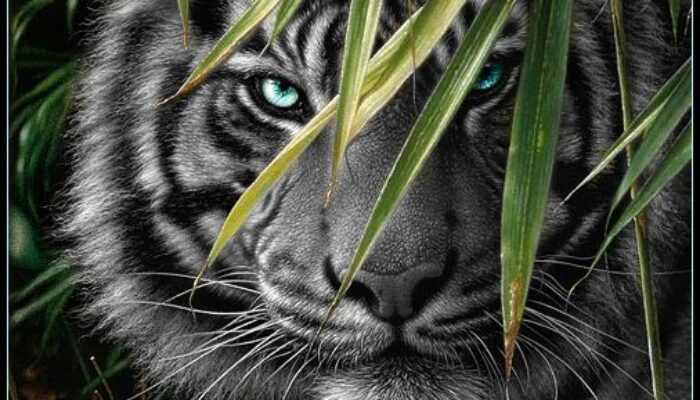
Dreaming of a black tiger is a striking experience that can evoke feelings ranging from awe to fear. The image blends the tiger’s renowned power with the enigmatic qualities of the color black, creating a potent symbol that appears across various cultural, spiritual, and psychological frameworks.
Symbolic Foundations
Color Black in Dream Language
In many dream‑interpretation traditions, black denotes the unknown, hidden emotions, or aspects of the self that have not been fully acknowledged. It can also represent elegance, authority, or a protective veil that shields the dreamer from overt threat.
The Tiger as an Archetypal Figure
The tiger is widely recognized as a symbol of raw strength, courage, and predatory instinct. Its presence in a dream often points to personal power, ambition, or an instinctual drive that is seeking expression.
Combining the Two Elements
When the two symbols merge, a black tiger can suggest a confrontation with one’s own “shadow” side—powerful yet concealed forces that may be either threatening or empowering, depending on the dreamer’s relationship with them.
Religious and Spiritual Perspectives
Christian Context
Although the Bible does not mention tigers explicitly, the animal is frequently compared to other fierce beasts such as the “lion of Judah,” which stands for bravery and divine authority. Within a Christian framework, a black tiger may be interpreted as a call to recognize God‑given strength while confronting personal sin or hidden truths (cf. Psalm 91:13).
Islamic View
In Islamic dream interpretation, animals are considered legitimate signs from Allah. A tiger—regardless of color—generally signifies power, authority, and potential challenges. The black coloration can be read as a test of faith or a warning to navigate difficult circumstances with patience and reliance on divine guidance (see Ibn Sirin’s classic dream‑interpretation manual).
Indigenous and Asian Traditions
Among several Indigenous cultures, the black tiger is treated as a spirit animal or totem that bridges the material and spiritual realms. It is believed to grant the dreamer heightened intuition and the ability to move between visible reality and the unseen world. In parts of South‑East Asia, black tigers are rare and therefore associated with rarity, mystery, and a heightened spiritual presence.
Psychological Interpretation
Jungian Analysis
Carl Jung’s theory of the collective unconscious posits that animals in dreams emerge from shared archetypal imagery. The black tiger can embody the “Shadow” archetype—repressed anger, untapped ambition, or fierce resolve that the conscious mind has not integrated. Engaging with this symbol in a dream may be an invitation to acknowledge and assimilate these hidden aspects, promoting psychological wholeness.
Freudian Perspective
From a Freudian standpoint, a threatening animal often reflects repressed instinctual drives. The darkness of the tiger may amplify feelings of anxiety about sexual or aggressive impulses that the dreamer finds socially unacceptable.
Contemporary Dream‑Work
Modern therapists who use dream‑work often ask clients to recall the emotions felt during the encounter. Fear may signal a real‑life situation that feels overwhelming, whereas awe or exhilaration can indicate emerging confidence in one’s personal power.
Typical Dream Scenarios and Their Nuances
- Observing a Black Tiger from a Distance: May suggest awareness of latent power that the dreamer has not yet acted upon.
- Being Chased by a Black Tiger: Often reflects feelings of pressure or a situation that feels inescapable; the dream encourages confronting rather than fleeing.
- Riding or Befriending a Black Tiger: Symbolizes mastery over one’s inner strength and the integration of shadow qualities.
- Seeing a Black Tiger Injured or Dying: Can denote a loss of confidence or a fear that one’s personal power is waning.
Practical Guidance for Dreamers
- Reflect on the emotions you experienced—fear, awe, curiosity, or calm.
- Identify current life areas where you feel either powerless or overly dominant.
- Consider cultural or spiritual lenses that resonate with you; this can shape the most meaningful interpretation.
- Journal the dream details, focusing on colors, actions, and any dialogue.
- If the dream recurs, explore ways to channel the tiger’s energy constructively—through assertive communication, physical activity, or creative expression.
Conclusion
The appearance of a black tiger in a dream is a multilayered symbol that intertwines cultural myth, spiritual messaging, and deep psychological content. Whether viewed as a divine sign, a totemic guide, or a manifestation of the personal shadow, the black tiger invites the dreamer to explore hidden strengths, confront unacknowledged fears, and ultimately move toward greater self‑integration.
FAQ
What does it mean to dream of a black tiger?
It often signals a powerful yet hidden aspect of yourself—such as untapped confidence, repressed anger, or a spiritual challenge—that is seeking acknowledgment.
Is a black tiger in a dream a warning?
It can be interpreted as a warning if the dream evokes strong fear or threat, suggesting that you may be avoiding a situation that requires assertive action.
How do cultural backgrounds influence the interpretation?
Cultural beliefs shape the symbolic vocabulary; for example, Christian readers may link the tiger to divine strength, while Indigenous traditions may view it as a spirit guide.
Can recurring black‑tiger dreams indicate a need for change?
Recurring images usually point to an unresolved issue. Repeated encounters with a black tiger often invite you to explore how you can integrate its energy constructively in waking life.


Leave a Reply