
Short Answer
Sliding windows have become a staple in contemporary residential and commercial architecture, prized for their sleek profiles, space-saving functionality, and intuitive operation. Among these, Analoc sliding windows are specifically recognized for their superior durability, aesthetic versatility, and minimal maintenance requirements. To understand why these windows are a preferred choice for modern construction, it is essential to examine the specific materials and engineering components that comprise them.
1. Aluminum Frames: The Structural Foundation
The primary framework of Analoc sliding windows is constructed from aluminum. This metal is selected for its exceptional strength-to-weight ratio and inherent resistance to environmental degradation.
Durability and Structural Integrity
Unlike organic materials such as wood or certain plastics (vinyl), aluminum does not warp, crack, or swell when exposed to extreme humidity or temperature fluctuations. This ensures that the window remains structurally sound over decades of use.
Modern Aesthetic Appeal
Because aluminum is incredibly strong even in thin sections, it allows for narrower frame profiles. This maximizes the glass surface area, allowing more natural light to enter the building and creating a minimalist, modern appearance.
Low Maintenance Requirements
Aluminum is naturally resistant to rust and corrosion. Maintenance typically requires nothing more than a periodic wipe-down with a damp cloth to maintain its polished look.
According to the Aluminum Association (2021), aluminum’s strength-to-weight ratio is among the highest of all common metals, cementing its status as a premier choice for architectural building materials.
2. Glass Panels: Performance and Safety
The glass is the most critical functional component of the Analoc system, influencing everything from energy bills to occupant safety. Depending on the specific requirements of the project, different glass types are utilized:
| Glass Type | Key Characteristics | Primary Benefit |
|---|---|---|
| Tempered Glass | Heat-treated for increased strength | Safety; breaks into blunt pieces |
| Laminated Glass | Multiple layers with plastic interlayer | Sound insulation and security |
| Low-E Glass | Specialized metallic coating | Thermal efficiency and heat reflection |
Enhancing Energy Efficiency
To further reduce energy consumption, Analoc windows often employ Insulated Glass Units (IGUs). These consist of double or triple panes of glass separated by a spacer and filled with an inert gas (such as argon), which minimizes heat transfer between the interior and exterior.
Reference: The U.S. Department of Energy (2022) notes that energy-efficient windows with Low-E coatings significantly reduce utility costs by mitigating heat loss in winter and heat gain in summer.
3. Seals and Gaskets: Weatherproofing
While often invisible, the seals and gaskets are vital for preventing air and water infiltration, ensuring the window remains airtight and energy-efficient.
- EPDM Rubber: Ethylene Propylene Diene Monomer (EPDM) is favored for its flexibility and resilience against weathering and UV exposure.
- Silicone Seals: These offer superior resistance to extreme temperature swings, providing a long-lasting waterproof barrier.
High-quality sealing results in three primary benefits: increased energy efficiency by eliminating drafts, noise reduction for a quieter indoor environment, and waterproofing to protect interior walls from moisture damage.
4. Rollers and Tracks: Mechanical Operation
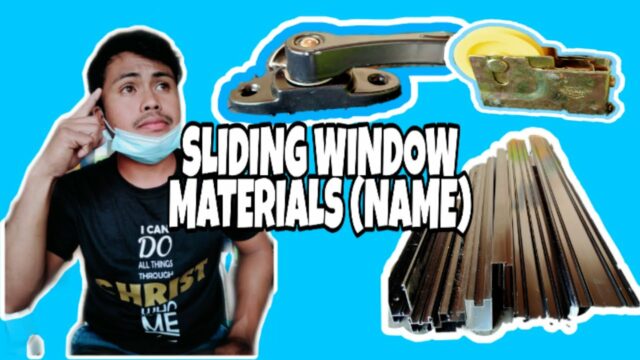
The seamless gliding motion of a sliding window depends entirely on the quality of its hardware. Analoc systems utilize precision-engineered tracks and rollers.
Roller Composition
Rollers are typically manufactured from stainless steel or nylon. Stainless steel is used where maximum durability and corrosion resistance are required, while nylon is utilized to ensure silent, smooth operation.
Track Engineering
The tracks are generally extruded from the same high-grade aluminum as the frames. Precision machining ensures that the rollers glide without friction, which prevents premature wear and tear on the window assembly.
5. Locks and Handles: Security and Ergonomics
The final components are the interface elements—the locks and handles—which must balance security with ease of use.
Multi-Point Locking Systems
Analoc windows frequently employ multi-point locking mechanisms. Rather than a single lock, these systems secure the window at several points along the frame, significantly increasing resistance to forced entry and improving the airtight seal.
Material and Finish
Handles are constructed from aluminum or stainless steel. To ensure they match the architectural style of the building, they are often finished with powder coating or anodizing, providing a durable and stylish exterior.
Conclusion
Analoc sliding windows represent a sophisticated blend of material science and engineering. By integrating aluminum frames, specialized glass, EPDM seals, and stainless steel hardware, these windows provide an optimal balance of longevity, thermal efficiency, and aesthetic appeal. Understanding these materials allows homeowners and architects to make informed decisions that ensure a building remains functional and beautiful for years to come.
FAQ
Why is aluminum preferred over vinyl for Analoc windows?
Aluminum offers superior structural strength, does not warp or swell, and allows for thinner, more modern profiles.
What makes Low-E glass energy efficient?
Low-E glass has a microscopic coating that reflects infrared heat, keeping interiors cooler in summer and warmer in winter.
How can I maintain the sliding tracks of my window?
Regularly cleaning the tracks of debris and occasionally lubricating the rollers can prolong the window's operational life.

Leave a Reply