
Short Answer
Introduction to the Werewolf Symbolism
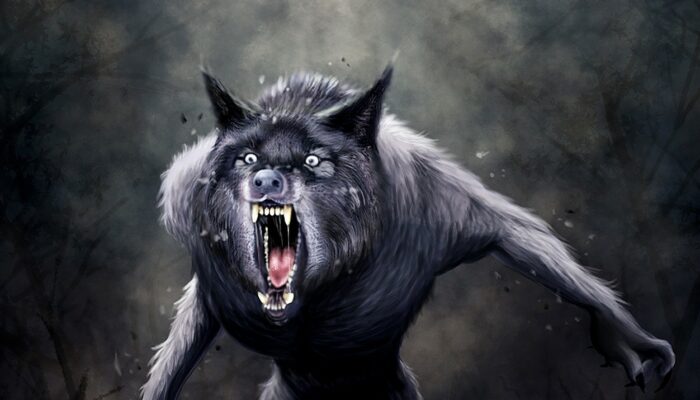
Throughout history and across diverse cultures, the werewolf has captivated the human imagination. This fearsome yet alluring creature represents a fundamental duality within the human experience, embodying the eternal struggle between civilization and primal instinct. For those encountering werewolves in their dreams or seeking symbolic interpretation, these visions often offer profound insights into the subconscious mind.
Psychological Interpretations of Werewolf Dreams
In the realm of psychology, a werewolf often symbolizes a myriad of emotions and deep-seated subconscious conflicts. Encountering this feral being can evoke a spectrum of reactions, from intense fear to a surprising sense of liberation.
Repressed Instincts and Societal Constraints
On a foundational level, dreaming of a werewolf may indicate repressed instincts or a facet of the personality that yearns for freedom from societal constraints. It represents urges that resonate with our inner nature—sometimes fierce, sometimes untamed. Such a dream may act as a clarion call, urging the dreamer to embrace their authentic self, unencumbered by the expectations imposed by others.
Internal Conflict and Emotional Turbulence
The presence of a werewolf can also signify a struggle against external pressures or internal adversities. Because the creature embodies tumultuous forces, it often amplifies feelings of rage or powerlessness. The dual identity of the werewolf—shifting between human and beast—mirrors the dreamer’s own ambivalence toward their emotions. These dreams encourage individuals to confront their fears and insecurities head-on, serving as a reminder that repressed emotions can eventually erupt in uncontrollable ways.
The Jungian Perspective: The Shadow Archetype
Carl Jung’s theories of archetypes and the collective unconscious provide a sophisticated lens for understanding the werewolf. Jung posited that universal symbols appear across cultures; in this context, the werewolf represents the ‘Shadow’ aspect of the psyche. The Shadow encompasses the repressed, unacknowledged, and often darker parts of the self. Consequently, the werewolf acts as a manifestation of these hidden traits—aspects of the character that the individual may be hesitant to exhibit in their daily social interactions.
Spiritual and Cultural Perspectives
The interpretation of the werewolf varies significantly across different spiritual and religious landscapes, reflecting the values and fears of those cultures.
| Perspective | Symbolic Meaning | Core Theme |
|---|---|---|
| Christianity | Embodiment of sin and moral corruption | Surrender to base desires |
| Islamic Tradition | Duality and the risk of spiritual deviation | Balance and vigilance |
| Psychological | The Shadow Archetype | Integration of the self |
Christian Interpretations
In many Christian contexts, werewolves have historically been viewed as embodiments of sin. The transformation from human to beast signifies a departure from virtuous living and a surrender to base, animalistic desires. This aligns with biblical themes of temptation and the ongoing struggle against one’s sinful nature, positioning the werewolf as a cautionary figure against moral indulgence.
Islamic Interpretations
Within Islamic traditions, the “wolf-man” often evokes themes of duality and transformation. Islamic thought emphasizes the importance of maintaining a balance within the self. Here, a werewolf might symbolize a departure from the righteous path due to external evil influences, serving as an allegorical reminder that humans can oscillate between light and darkness. This perspective encourages introspection and a return to spiritual roots to maintain righteousness.
Logical Analysis: The Syllogism of the Werewolf
To understand the symbolic meaning of werewolves through a logical lens, we can apply a simple syllogism:
Premise 1: Werewolves embody the clash between human civility and primal instinct.
Premise 2: The human subconscious constantly wrestles with similar dichotomies.
Conclusion: Therefore, encountering a werewolf in dreams reflects an individual’s struggle to embrace or confront their own primal instincts.
This logical framework positions the werewolf as a metaphorical bridge, connecting the civilized aspects of identity with the wild, untamed energy residing within every person.
Conclusion: Integrating the Wild Within
The werewolf transcends mere folklore, becoming a multifaceted symbol of the human condition. Whether viewed as a symbol of personal freedom, a warning of moral decline, or a vessel for exploring hidden fears, its presence compels us to reflect on our identities. By understanding the complexities of the werewolf, dreamers can begin a journey toward self-acceptance, integrating the “wildness” within to achieve greater self-awareness and illumination of the soul’s shadowed corners.
FAQ
What does it mean if I am the werewolf in my dream?
This often suggests you are grappling with your own repressed anger, power, or a desire to break free from social expectations.
Is dreaming of a werewolf always a bad sign?
No. While it can represent fear or sin, it can also symbolize a need for personal liberation and the integration of your primal strengths.
Why is the werewolf a symbol of duality?
Because it possesses two distinct forms—the civilized human and the wild animal—representing the conflict between logic and instinct.



Leave a Reply