
Short Answer
Overview
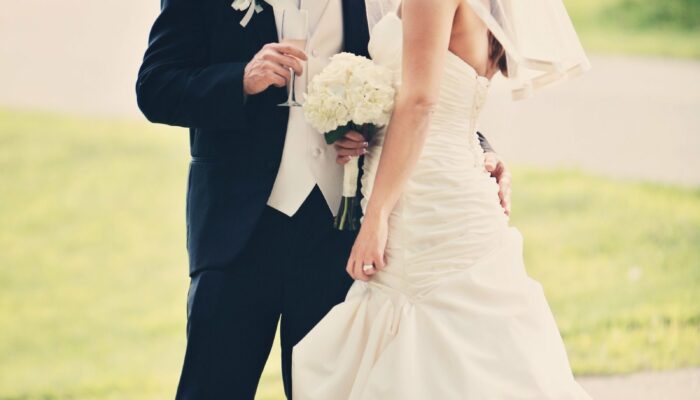
Images of weddings appear frequently in dreams, often as photographs rather than live ceremonies. A wedding picture encapsulates commitment, celebration, and the convergence of two lives, making it a potent symbol for the dreaming mind. Interpreting this image requires attention to personal emotions, cultural background, and the broader psychological frameworks that shape dream content.
Psychological Interpretations
Freud’s Perspective
Sigmund Freud regarded dreams as disguised fulfillments of repressed wishes. In his view, a wedding photograph may represent an unacknowledged desire for intimacy, a yearning to solidify a bond, or an unconscious anxiety about sexual and relational obligations. The static nature of a picture—unmoving, frozen in time—can symbolize the dreamer’s feeling that their desire for partnership is stalled or merely imagined.
Jungian Archetype
Carl Jung introduced the concept of archetypes—universal symbols that emerge from the collective unconscious. The wedding image aligns with the “Self” archetype, embodying the integration of opposing aspects of the psyche (e.g., anima/animus). Seeing a wedding picture can indicate a psychological process of harmonizing conscious goals with deeper, often untapped, personal potentials.
Contemporary Cognitive Approaches
Modern dream research suggests that dream imagery often mirrors waking‑life concerns. A wedding photo may surface when the dreamer is evaluating relationship decisions, processing recent social events (such as attending a friend’s wedding), or navigating feelings of loneliness or fulfillment.
Cultural and Religious Symbolism
Christian Tradition
Within many Christian contexts, marriage is portrayed as a covenant reflecting Christ’s relationship with the Church. A wedding picture can therefore evoke spiritual reflections on fidelity, divine purpose, and the moral responsibilities that accompany a committed partnership. Biblical passages such as Ephesians 5:31‑32 are frequently cited to underscore the sanctity of the marital bond.
Islamic View
Islam regards marriage as half of one’s faith (“half of the religion”), emphasizing companionship, moral balance, and societal stability. Dreaming of a wedding photograph may signal a longing for a partnership that aligns with Islamic values, or it may serve as a reminder to nurture existing relational duties in accordance with faith‑based ethics.
Eastern and Other Cultural Contexts
In many East Asian societies, weddings represent family honor, lineage continuity, and social obligation. A dream featuring a wedding picture can therefore highlight pressures to conform to familial expectations or to preserve cultural heritage. Conversely, in societies where individual choice is emphasized, the same image might underscore personal aspirations for love and autonomy.
Common Dream Scenarios Involving Wedding Pictures
- Viewing the photograph alone – May indicate introspection about one’s own relationship status.
- Seeing oneself in the picture – Often reflects a desire to embody the qualities associated with marriage, such as stability or social acceptance.
- Observing a distressed or damaged photo – Can symbolize fears of relationship breakdown or unresolved conflicts.
- Sharing the picture with others – May suggest a need for validation or support from family and friends regarding personal commitments.
Interpretive Guidelines
When analyzing a dream about a wedding picture, consider the following steps:
- Identify the emotional tone. Joyful feelings usually point to positive expectations, whereas anxiety or sadness may signal doubts.
- Note any personal connections. Is the couple in the photo you, a partner, or a stranger? Personal relevance alters the meaning.
- Examine cultural and religious background. The symbolism can shift dramatically based on belief systems and societal norms.
- Reflect on current life events. Recent engagements, break‑ups, or attendance at weddings can feed the dream narrative.
- Consider the state of the photograph. A pristine image often denotes idealized hopes; a faded or torn picture may highlight perceived obstacles.
Conclusion
The dream meaning of a wedding picture is multifaceted, weaving together psychological desires, cultural narratives, and spiritual motifs. Whether the image evokes excitement, nostalgia, or apprehension, it offers a valuable mirror for the dreamer’s inner world. By exploring the emotional context, personal history, and broader symbolic frameworks, individuals can gain deeper insight into their attitudes toward commitment, identity, and relational fulfillment.
FAQ
What does it mean if I feel happy while looking at a wedding picture in my dream?
A positive emotional response usually indicates a subconscious readiness for commitment or satisfaction with current relational dynamics.
Why would a damaged wedding photograph appear in my dream?
Damage or distortion often symbolizes fears of relationship instability, unresolved conflicts, or feelings that the ideal of partnership is being compromised.
Can cultural background change the interpretation of a wedding picture dream?
Yes. In cultures that emphasize family honor, the image may reflect societal pressure, whereas in individualistic contexts it often highlights personal aspirations.
Is there any scientific evidence linking wedding‑related dreams to waking‑life events?
Research shows that recent experiences (e.g., attending a wedding) and emotional states increase the likelihood of related imagery appearing in REM sleep.




Leave a Reply