
Short Answer
Introduction
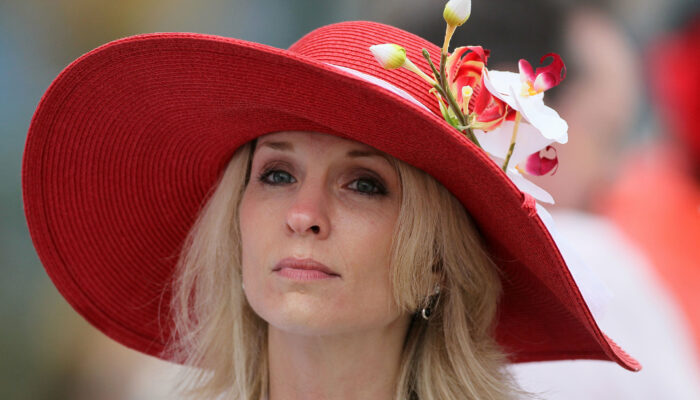
Hats are more than fashion accessories; they serve as powerful symbols in our subconscious. When a hat appears in a dream, it often points to questions of identity, status, and the roles we play in waking life.
Dream Symbolism of Hats
In dream interpretation, headwear is commonly linked to how we perceive ourselves and wish to be perceived by others.
Identity and Self‑Perception
A hat can represent the persona you present to the world. Wearing a distinctive hat may signal a desire to project confidence, prestige, or uniqueness. Conversely, a loose or ill‑fitting hat might indicate uncertainty about one’s self‑image.
Types of Hats and Their Meanings
- Top hat: Ambition, social status, or a need for recognition.
- Fedora: Sophistication, mystery, or a refined personal style.
- Baseball cap: Casualness, youthful energy, or a laid‑back attitude.
- Beanie or knit cap: Comfort, protection, or a desire for emotional warmth.
Cultural and Spiritual Perspectives
Head coverings carry deep cultural and religious meanings that can surface in dreams.
Christian Context
In many Christian traditions, head coverings are associated with humility, propriety, and reverence. Scriptural references, such as 1 Corinthians 11:5‑6, link uncovered heads with a lack of respect, suggesting that a hat in a dream could reflect feelings about obedience or spiritual authority.
Islamic Context
The hijab and other forms of Islamic headwear symbolize modesty, piety, and a visible connection to faith. Dreaming of a hijab or similar covering may highlight personal devotion, cultural identity, or a need to align actions with inner values.
Other Traditions
Various cultures use specific hats as status symbols—think of the Japanese kabuto (samurai helmet) or the Scottish tam o’ shanter. Such symbols can surface in dreams to signal heritage, honor, or collective belonging.
Psychological Interpretation
From a Jungian perspective, a hat functions as a persona—the mask we adopt in social interactions. Wearing different hats in a dream may indicate experimentation with multiple aspects of the self, encouraging greater self‑awareness.
Modern psychology also views headwear as a metaphor for protective boundaries. Just as a hat shields the head from weather, it can symbolize a psychological barrier against criticism, judgment, or emotional distress.
Protective and Role‑Related Meanings
The phrase “putting on a hat” often denotes assuming responsibility or a new role. In a dream, this can manifest as:
- A sense of empowerment when the hat feels comfortable.
- Stress or anxiety if the hat is too tight or ill‑suited.
- A desire to hide aspects of oneself when the hat obscures the face.
These nuances reveal how the dreamer navigates expectations, duties, and personal growth.
Conclusion
The dream meaning of wearing a hat weaves together symbolism, cultural heritage, and psychological insight. By examining the style, fit, and context of the hat, you can uncover clues about your identity, protective needs, and the roles you are ready to embrace. The next time a hat appears in your nightscape, consider what it tells you about the story you are living.
FAQ
What does it mean to dream of a hat that is too large?
A hat that is too large may indicate feelings of inadequacy or that you are taking on responsibilities that do not fit your current abilities.
Why do some people dream of losing their hat?
Losing a hat can symbolize a fear of losing one's identity, status, or the protective layer you rely on in daily life.
Can the color of the hat change its dream meaning?
Yes, colors add nuance—e.g., a black hat may suggest authority or mystery, while a bright-colored hat often reflects optimism or a desire to stand out.



Leave a Reply