
Short Answer
Introduction
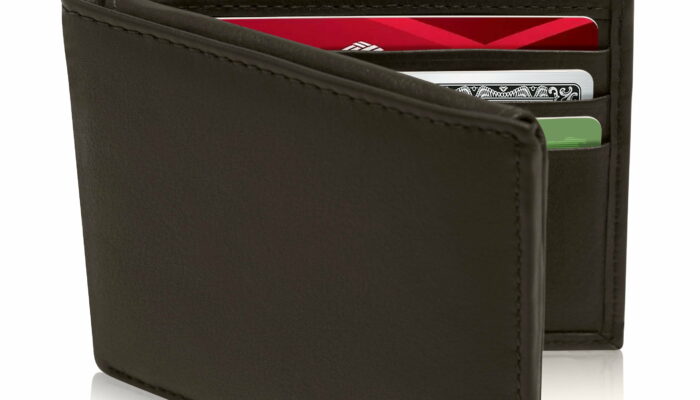
In dream analysis, everyday objects often serve as mirrors of the subconscious. A wallet—typically a modest holder for money, identification, and small keepsakes—frequently emerges as a potent symbol of personal worth, financial stability, and the way an individual organizes emotional resources.
Psychological Perspectives
From a modern psychological standpoint, the wallet functions as an external representation of internal inventories. Dreaming of a wallet may therefore reflect:
- Self‑esteem: How the dreamer values themselves in relation to material and non‑material assets.
- Resource management: Concerns about budgeting time, energy, or emotions.
- Security needs: Feelings of safety or vulnerability regarding personal boundaries.
When the wallet is lost or stolen, the dream often points to anxieties about losing control or identity. Conversely, an overflowing wallet can indicate a sense of abundance or optimism about future prospects.
Spiritual and Cultural Interpretations
Interpretations vary across religious and cultural traditions, each adding layers of meaning to the wallet symbol.
Christian Tradition
In Christian symbolism, a wallet may represent stewardship. Passages such as Matthew 6:19‑21 warn against attaching one’s identity to material wealth, suggesting that a dream wallet invites reflection on generosity and moral responsibility.
Islamic Tradition
Islam views wealth as an amanah (trust) from Allah. Dreaming of a well‑filled wallet can be interpreted as a reminder of blessings and the duty to practice Zakat (charitable giving). An empty or missing wallet may signal a spiritual call to reassess financial ethics.
Eastern Philosophies
In many Eastern traditions, material possessions are seen as potential obstacles to enlightenment. A wallet in a dream may symbolize attachment; an over‑stuffed wallet could indicate excessive desire, while a minimalist wallet might suggest progress toward detachment and inner clarity.
Common Symbolic Variations
| Dream Image | Typical Interpretation |
|---|---|
| Lost or stolen wallet | Fear of losing personal identity, insecurity about finances, or feeling unprotected. |
| Empty wallet | Perceived scarcity, emotional emptiness, or a need to seek new sources of fulfillment. |
| Overflowing wallet | Prosperity, confidence, or an invitation to share wealth with others. |
| Damaged wallet | Neglected personal boundaries, unresolved emotional wounds, or financial instability. |
| Organized wallet with many compartments | Effective self‑management, clarity of values, and balanced emotional life. |
Practical Reflection for Dreamers
To harness the insight offered by a wallet dream, consider the following steps:
- Recall the emotional tone—was the dream calming, stressful, or ambiguous?
- Identify the wallet’s condition (full, empty, damaged, missing) and note any associated objects.
- Connect the imagery to current life circumstances: financial decisions, self‑image, or relational boundaries.
- Journal any actions you feel compelled to take—budget reviews, confidence‑building exercises, or acts of generosity.
Such reflective practice can transform a simple nocturnal image into a roadmap for personal growth.
Conclusion
The dream meaning of a wallet transcends its mundane function, weaving together themes of identity, security, and spiritual responsibility. Whether interpreted through psychological theory, religious teaching, or cultural symbolism, the wallet serves as a compact emblem of how individuals value themselves and manage both material and emotional wealth. Engaging with this symbol can illuminate hidden anxieties, highlight areas of abundance, and ultimately guide the dreamer toward a more integrated sense of self.
FAQ
What does it mean to dream of a lost wallet?
It often signals feelings of vulnerability, fear of losing personal identity, or concerns about financial security.
Is an overflowing wallet in a dream always positive?
Generally it indicates abundance and confidence, but it can also remind the dreamer to share wealth responsibly.
How can I use a wallet dream for personal growth?
Reflect on the wallet’s condition, note associated emotions, and consider practical steps such as budgeting, boundary setting, or acts of generosity.
Do cultural beliefs change the interpretation of a wallet dream?
Yes; for example, Christian symbolism emphasizes stewardship, while Islamic thought focuses on trust and ethical use of wealth.



Leave a Reply