
Short Answer
Introduction to Dreams of Incarceration
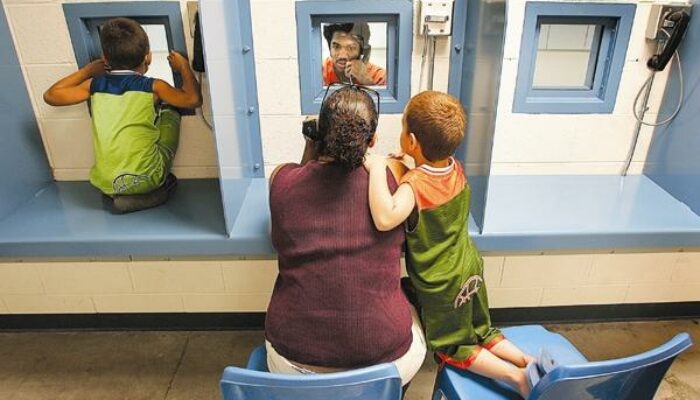
Dreams serve as a sophisticated mirror for the subconscious, blending memory, emotion, and intuition to present complex scenarios. Among these, the act of visiting someone in jail is a potent image that frequently surfaces when a dreamer is grappling with themes of restriction, obligation, or emotional entrapment. Rather than being a literal prediction, such dreams typically function as metaphors for the internal state of the dreamer or the dynamics of their interpersonal relationships.
At its core, the image of a jail represents the loss of autonomy. When you visit a prisoner in a dream, you are engaging with a symbol of confinement, which may reflect your own feelings of being “trapped” in a waking life situation—be it a dead-end job, a restrictive relationship, or a rigid societal expectation.
Analytical Perspectives: The Syllogism of Confinement
To understand the underlying logic of this dream, we can apply a syllogistic framework to decode the subconscious message:
- Premise One: Dreams utilize symbolic imagery to portray internal subconscious conflicts.
- Premise Two: Visiting an incarcerated person symbolizes an encounter with restriction, burdens, or limited freedom.
- Conclusion: Therefore, dreaming of visiting a prisoner likely indicates an internal struggle with personal limits or the weight of societal expectations.
This logical approach suggests that the prisoner in the dream may not actually be the other person, but rather a projection of a part of the dreamer that feels imprisoned or neglected.
Symbolic Interpretations
Symbolism in dreams is rarely one-dimensional. Depending on the context of the dream, visiting someone in jail can carry several distinct meanings:
Relationship Constraints
The jail may embody a relationship that has become stifling. If the person you are visiting is someone you know in real life, the dream might signify unresolved tensions, resentment, or a feeling that the relationship is governed by rules and restrictions rather than freedom and love.
The Call for Self-Reflection
Visiting a prisoner can be an invitation to introspect. It prompts the dreamer to analyze areas of their life where they feel trapped. The act of “visiting” suggests a willingness to confront these trapped emotions, providing a psychological gateway toward personal growth and liberation.
Empathy and Compassion
From a positive symbolic lens, this dream can highlight the dreamer’s capacity for empathy. It may reflect a desire to support others who are struggling or a reminder to extend grace and humility to those who have fallen from grace or are ensnared in difficult circumstances.
Spiritual and Cultural Significance
Different faith traditions and cultural frameworks provide profound insights into the spiritual meaning of visiting the imprisoned:
| Perspective | Interpretation |
|---|---|
| Christianity | Often viewed as a benevolent duty (referencing Matthew 25:36), symbolizing a calling to serve others and fulfill moral responsibilities. |
| Islam | May symbolize the pursuit of forgiveness and mercy, suggesting that the dreamer’s own spiritual journey may feel restrictive and requires liberation. |
| General Spiritualism | Represents the process of “freeing” a trapped aspect of the soul or seeking reconciliation with a shadow self. |
Psychological Analysis
From a psychological standpoint, dreaming of a jail visit often unearths suppressed emotions. The prison serves as a container for feelings that the dreamer has forcefully pushed aside, such as:
- Guilt: A sense of obligation or failure toward another person.
- Frustration: Anger that has been “locked away” to maintain social harmony.
- Grief: Mourning a lost version of oneself or a lost relationship.
Psychologists often view this as a protective mechanism. By visiting the prisoner in a dream, the mind creates a safe, imagined space to confront painful realities—such as rejection or existential dread—without the immediate risk of waking-life consequences. This confrontation is often the first step toward emotional healing.
Conclusion
Dreams of visiting someone in jail transcend the literal act of incarceration. They are complex narratives exploring the tension between freedom and responsibility, guilt and forgiveness. By examining these dreams through symbolic, spiritual, and psychological lenses, individuals can gain valuable insights into their emotional landscapes, potentially discovering the keys to their own internal liberation and personal evolution.
FAQ
What does it mean to dream about visiting someone in jail?
It often symbolizes feelings of restriction, personal entrapment, or unresolved emotional burdens in the dreamer’s waking life.
Is dreaming of a prison visit a spiritual sign?
Yes, in some traditions, it can represent a calling to serve others (Christianity) or a journey toward forgiveness and spiritual liberation (Islam).
Why am I dreaming about a specific person in jail?
This may reflect the restrictive nature of your relationship with that person or your subconscious desire to help them overcome a struggle.
FAQ
What does it mean to visit a stranger in jail in a dream?
Visiting a stranger often represents confronting a neglected or ‘imprisoned’ part of your own psyche or subconscious.
Does visiting someone in jail in a dream predict a real-life event?
Typically, these dreams are symbolic of emotional states, restrictions, or relationship dynamics rather than literal premonitions.
Why do I feel guilty after dreaming about visiting a prisoner?
This may reflect unresolved tensions, a sense of obligation, or feelings of helplessness regarding someone in your waking life.





Leave a Reply