
Short Answer
Introduction
Throughout history, trees have been revered as symbols of life, wisdom, and continuity. When they surface in dreams, they often serve as rich metaphors for the dreamer’s inner world. This article examines tree imagery from three complementary angles: logical (syllogistic) reasoning, spiritual and cultural traditions, and modern psychological theory.
Syllogistic Reasoning and Tree Symbolism
One way to approach dream symbols is through syllogism—deductive reasoning that links general premises to specific conclusions. The basic structure can be illustrated as follows:
Premise 1: All living organisms strive to grow.
Premise 2: Trees are living organisms.
Conclusion: Therefore, trees represent growth.
Applying this logic to dream content yields intuitive meanings:
- Thriving trees – suggest personal development, expanding potential, or a period of flourishing in one’s waking life.
- Withered or dying trees – point to stagnation, loss of vitality, or unresolved emotional blocks.
- Rootless trees – may indicate feelings of instability or a lack of grounding.
While syllogistic analysis provides a clear starting point, deeper layers emerge when cultural and psychological contexts are considered.
Trees in Spiritual and Cultural Traditions
Christian Perspectives
In the Judeo‑Christian tradition, trees occupy central narrative positions:
- Tree of Life – a symbol of divine sustenance and eternal existence. Dreaming of this tree can reflect a yearning for spiritual wholeness or a sense of being nurtured by a higher power.
- Tree of Knowledge of Good and Evil – embodies moral awareness and the consequences of choice. Such a dream may signal an internal conflict about ethical decisions.
- Olive and Cedar – the olive tree stands for peace and prosperity, while the cedar denotes strength and endurance. Appearances of these species often encourage the dreamer to seek tranquility or to draw on inner resilience.
Islamic Perspectives
The Qur’an references trees as signs of divine mercy and as metaphors for the faithful:
- Tree of Immortality (the “Sidrat al-Muntaha”) – represents the ultimate limits of knowledge and the reward awaiting believers. Dreaming of a luminous, towering tree may symbolize aspirations toward spiritual perfection.
- Planting trees – is regarded as a charitable act (sadaqah). Dreaming of planting or nurturing a tree can reflect a desire to contribute positively to the community or to cultivate personal virtue.
Indigenous and Eastern Traditions
Across many cultures, trees function as cosmological anchors:
- Native American “Tree of Life” – highlights interconnection among all beings. Such a dream often calls attention to relational harmony and ecological stewardship.
- Hindu “Banyan” – symbolizes eternity, because its aerial roots grow into new trunks. Dreaming of a banyan may suggest a need to embrace continuity and the cyclical nature of existence.
- Japanese “Sakura” (cherry blossom) – while technically a flower, it grows on a tree and represents transience. A dream of blossoming cherry trees can evoke reflections on impermanence.
Psychological Meaning of Trees
Modern dream theory, especially the work of Carl Jung, treats trees as archetypal symbols of the self:
- The Tree as the Self – the trunk denotes the core ego, the roots signify the unconscious foundation, and the canopy reflects conscious aspirations.
- Branches – illustrate divergent life paths, choices, or personal projects. A dream where many branches spread outward may indicate a period of decision‑making.
- Climbing a tree – often reflects a striving for higher perspective, personal growth, or the pursuit of goals beyond current limitations.
- Falling from a tree – can manifest anxieties about loss of control, fear of failure, or overwhelming responsibilities.
Therapeutically, exploring the emotional tone of the tree—its health, size, and environment—helps uncover the dreamer’s current psychological state.
Common Tree‑Dream Scenarios and Their Interpretations
| Dream Image | Typical Meaning |
|---|---|
| Large, flourishing oak | Stability, wisdom, and a solid foundation in personal or professional life. |
| Dead or burning tree | Feelings of loss, grief, or a transformational ending that may precede new growth. |
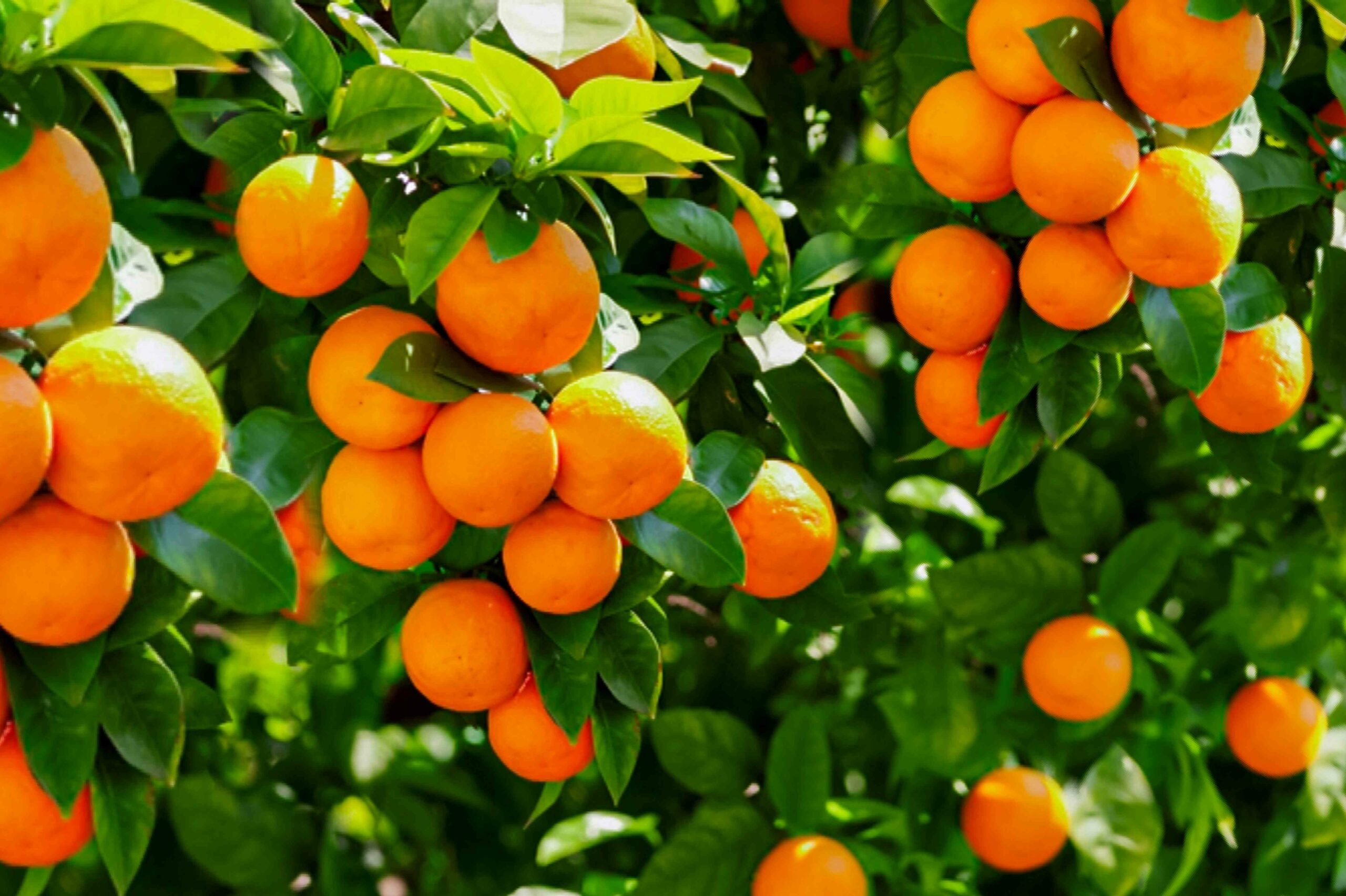
| Tree with many fruit | Abundance, creative productivity, or the realization of long‑term goals. |
| Tree roots exposed | Need to reconnect with one’s origins, family heritage, or core values. |
| Walking through a forest of identical trees | Perception of monotony, conformity, or a subconscious desire for individuality. |
| Tree in a storm | Resilience under pressure; testing of inner strength. |
Conclusion
Tree imagery in dreams weaves together logical deduction, cultural heritage, and deep psychological currents. Whether the tree appears vibrant, barren, towering, or diminutive, it offers a mirror to the dreamer’s inner landscape. By attending to the specific species, condition, and actions associated with the tree, individuals can gain valuable insights into personal growth, spiritual aspirations, and emotional well‑being.
FAQ
What does it mean to dream of a healthy, leafy tree?
It usually reflects personal vitality, confidence in one’s direction, and a sense of flourishing in life.
Why might I dream of a dead or dying tree?
Such imagery often signals feelings of stagnation, loss, or the end of a phase that may need to be released before new growth can occur.
Can the type of tree (e.g., oak vs. pine) change the interpretation?
Yes. Different species carry distinct cultural connotations—an oak may denote strength and tradition, while a pine can suggest resilience and longevity.
Is climbing a tree in a dream always positive?
Generally it points to ambition and seeking higher perspective, but if the climb feels dangerous, it may also reveal anxiety about overreaching.
Do tree dreams have spiritual significance in modern life?
Many traditions still view tree imagery as a bridge between the earthly and the divine, so such dreams can inspire reflection on one’s spiritual path.


Leave a Reply