
Short Answer
Introduction
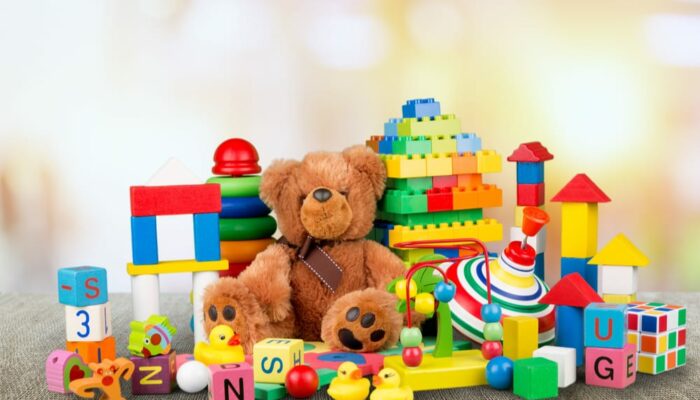
Throughout history, dreams have served as a window into the subconscious mind. Among the many symbols that appear in nocturnal narratives, toys occupy a distinctive place. Their familiar forms evoke nostalgia while simultaneously pointing toward deeper emotional, spiritual, and psychological currents. This article provides an encyclopedia‑style overview of the meanings attributed to toys in dreams, drawing on logical reasoning, symbolic analysis, cross‑cultural perspectives, and contemporary psychology.
1. Syllogistic Connections
One method of interpreting dream symbols involves tracing logical relationships, often expressed as a syllogism. For example:
All toys represent aspects of childhood.
Childhood is associated with freedom and play.
Therefore, toys in a dream may symbolize a desire for freedom in the dreamer’s current life.
Such three‑step reasoning highlights how a seemingly simple object can encapsulate complex yearning, such as the wish to break free from adult responsibilities or to recapture a sense of spontaneity.
2. Symbolic Interpretations
The symbolic meaning of a toy depends on its type, condition, and the actions performed in the dream.
- Dolls or figurines – Often linked to themes of nurturing, femininity, or the idealized self.
- Action figures or soldiers – May reflect aspirations toward courage, adventure, or struggles with authority.
- Broken toys – Can signal perceived fragility of childhood hopes or unresolved emotional wounds.
- Playing with toys – Suggests a reconnection with joy, a need to lighten one’s attitude, or an invitation to embrace creativity.
Contextual details—such as whether the toy is new, damaged, or animated—provide additional clues that refine the interpretation.
3. Spiritual Meaning Across Cultures
Various religious and cultural traditions attribute specific spiritual significance to toys.
Christianity
In Christian thought, toys can embody innocence and the child‑like faith praised by Jesus. The act of play is sometimes likened to a pure, trusting relationship with the divine.
Islamic Philosophy
Islamic teachings view toys as reminders of life’s transience. They illustrate the fleeting nature of material pleasure and encourage generosity, sharing, and humility.
Indigenous Traditions
Many indigenous peoples craft toys from natural materials, seeing them as extensions of the environment, carriers of cultural heritage, and symbols of creativity.
Across these traditions, toys often serve as conduits for lessons about humility, community, and the creative potential inherent in every individual.
4. Psychological Implications
Modern psychology offers several lenses through which to view toy imagery.
Freudian Perspective
Sigmund Freud suggested that toys might represent repressed sexual impulses or childhood traumas, acting as symbolic stand‑ins for deeper conflicts.
Jungian Perspective
Carl Jung emphasized the role of toys as archetypal symbols that connect the dreamer to the collective unconscious, reflecting universal themes such as the mother, the hero, or the trickster.
Contemporary View
Today, many clinicians interpret toys in dreams as signals of a yearning for simplicity, play, and emotional resilience amid adult pressures. Engaging with the playful aspect of a dream can foster creativity, reduce stress, and promote a healthier integration of the “inner child.”
Additionally, toys may function as coping mechanisms, offering comfort through memories of happier times or providing a safe arena to explore power dynamics, as illustrated by dreams featuring toy soldiers or competitive games.
Conclusion
The dream meaning of toys extends far beyond nostalgic reminiscence. By examining logical connections, symbolic nuances, cultural teachings, and psychological theories, one can uncover layered messages about desire, unresolved childhood needs, spiritual lessons, and strategies for emotional well‑being. Recognizing these dimensions enriches the interpretive process and deepens insight into the complex tapestry of the human psyche.
FAQ
What does it mean to dream of a broken toy?
A broken toy often reflects feelings of vulnerability, unfinished childhood aspirations, or unresolved emotional wounds.
Why do some people dream of playing with toys as adults?
Such dreams can signal a subconscious desire to reconnect with joy, creativity, and a sense of freedom that may be lacking in daily life.
Can the type of toy in a dream indicate specific life areas?
Yes; for example, dolls may relate to nurturing or identity, while action figures can point to ambitions, courage, or power dynamics.



Leave a Reply