
Short Answer
Understanding Dental Implant Suitability
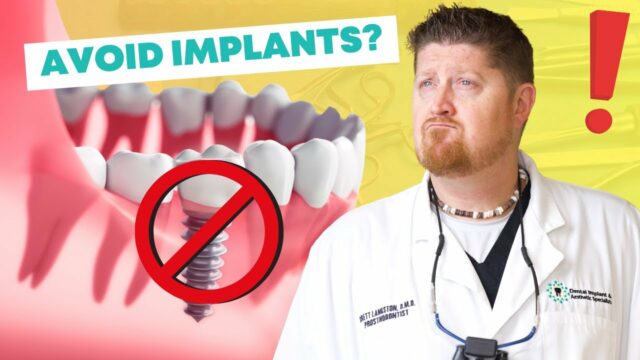
Dental implants are widely regarded as one of the most effective ways to restore chewing function and aesthetic appeal after tooth loss. By surgically placing a titanium post into the jawbone, dentists can create a stable foundation for a crown, bridge, or denture. However, despite their high success rate, dental implants are not a universal solution. Certain physiological and medical conditions can increase the risk of implant failure or complicate the surgical process.
Key Reasons to Avoid Dental Implants
Determining whether a patient is a suitable candidate requires a comprehensive evaluation. Below are the primary reasons why a provider might advise against dental implants.
1. Insufficient Bone Density
The success of an implant depends on osseointegration, the process where the bone fuses with the implant post. If the jawbone has deteriorated (resorbed) due to long-term tooth loss or periodontal disease, there may not be enough bone to support the implant. While bone grafting is often an option, some patients may have systemic conditions that prevent successful grafting.
2. Uncontrolled Medical Conditions
Certain health issues can interfere with the body’s ability to heal, potentially leading to implant rejection or infection:
- Uncontrolled Diabetes: Poorly managed blood glucose levels can impair healing and increase the risk of post-surgical infections.
- Autoimmune Disorders: Conditions that affect the immune system may hinder the integration of the implant into the bone.
- Severe Cardiovascular Disease: Patients with significant heart issues may be at higher risk during the surgical procedure.
3. Smoking and Lifestyle Factors
Smoking significantly impairs blood flow to the gums and bone, which is critical for the healing process. Nicotine constricts blood vessels, increasing the likelihood of peri-implantitis (inflammation around the implant) and overall implant failure.
4. History of Radiation Therapy
Patients who have undergone radiation therapy in the head and neck region may have compromised bone structure (osteoradionecrosis), making the jawbone unable to support a surgical implant safely.
Evaluating Alternatives
If you are not a candidate for implants, there are several other restorative options available to restore your smile and function:
| Option | Description | Best For |
|---|---|---|
| Dental Bridges | A prosthetic tooth anchored to adjacent natural teeth. | Single gap replacements. |
| Partial Dentures | Removable appliances that fill gaps in the teeth. | Multiple missing teeth across different areas. |
| Full Dentures | Removable replacements for an entire arch of teeth. | Complete tooth loss. |
To determine the best path for your specific oral health needs, it is essential to consult with a specialist. For a detailed personal assessment, you can schedule a consultation with Dental Implant & Aesthetic Specialists.
About Dental Implant & Aesthetic Specialists
Serving the greater Atlanta, GA community since 1972, Dental Implant and Aesthetic Specialists provide comprehensive restorative dentistry. Led by Dr. Brett Langston, Dr. Rachel Miro, and Dr. Mitchel House, the practice specializes in natural-looking replacements, including implants, bridges, and crowns, ensuring patients regain confidence in their smile and chewing ability.
Contact Information:
Address: 2801 Buford Highway NE, Suite 250, Brookhaven, GA 30329
Phone: 404-321-4588
Email: office@drbrettlangston.com
Website: drbrettlangston.com
FAQ
Can smokers get dental implants?
Yes, but they have a significantly higher risk of failure. It is highly recommended to quit smoking before and after the procedure to improve success rates.
What happens if I don't have enough bone for an implant?
A dentist may recommend a bone graft to build up the jawbone, or suggest alternative options like a dental bridge or removable denture.
Are dental implants painful?
The procedure is performed under anesthesia. While some soreness is common during recovery, it is generally manageable with prescribed medication.




Leave a Reply