
Short Answer
Introduction to the Archetype of The Devil
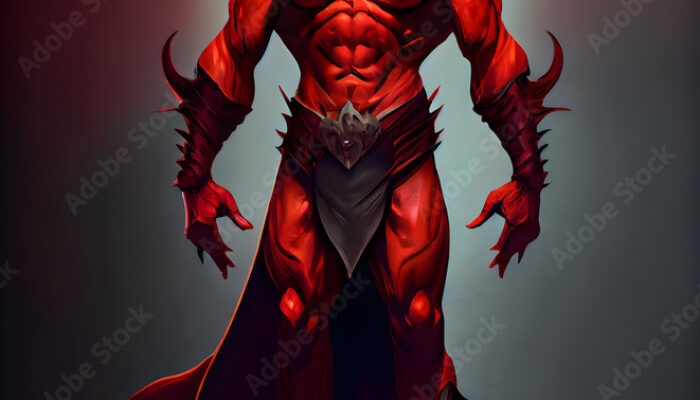
Dreams act as a bridge to the subconscious, often utilizing potent imagery to communicate internal conflicts, desires, and fears. Among the most provocative of these symbols is The Devil. While often associated with fear or malevolence, the appearance of this figure in a dream is rarely a literal omen. Instead, it serves as a complex archetype that can evoke a spectrum of emotions, from profound anxiety to intense fascination.
By analyzing the dream meaning of The Devil, individuals can transform a disconcerting nocturnal experience into a meaningful opportunity for psychological reflection and spiritual evolution.
Cultural and Religious Perspectives
The interpretation of The Devil varies significantly across different spiritual and cultural frameworks, reflecting the values and moral structures of those traditions.
Christian Interpretations
Within the Christian tradition, The Devil is the primary embodiment of temptation, sin, and moral decay. In the context of a dream, this manifestation often represents the eternal struggle between good and evil. Such dreams may signify:
- Internal Conflict: A struggle with unresolved ethical dilemmas.
- Moral Anxiety: Fear that one’s choices are diverging from their moral compass.
- Temptation: The presence of impulses that threaten the dreamer’s spiritual integrity.
Islamic Interpretations
In Islamic tradition, the figure of Iblis represents rebellion and arrogance, stemming from the refusal to bow to Adam. When Iblis appears in a dream, it often serves as a prompt for rigorous self-examination. It may challenge the dreamer to consider if they are harboring pride or straying from a righteous path, emphasizing the necessity of humility and devotion.
Psychological Analysis: The Shadow Self
Beyond theology, psychological theorists—most notably Carl Jung—view The Devil not as an external entity, but as a projection of the human psyche. In Jungian psychology, this figure often represents the Shadow: the hidden, suppressed, or denied parts of our personality.
“The shadow is the hidden side of the personality… it is the part of us that we do not want to acknowledge.”
Encountering The Devil in a dream may indicate an urgent subconscious need to integrate these disowned elements. By confronting the “devil” within, the dreamer can move toward a more holistic understanding of themselves, acknowledging their vices and fears to achieve psychological wholeness.
The Devil as a Symbol of Chaos and Creativity
While frequently viewed as a negative force, the archetype of The Devil also encompasses themes of rebellion, liberation, and the allure of the forbidden. In various artistic and cultural movements, this figure is seen as a muse of raw, untamed passion.
A dream featuring The Devil might not be a warning, but rather an invitation to:
- Unlock dormant creative potential.
- Break free from overly restrictive societal or personal constraints.
- Tap into deep-seated passions and express oneself without restraint.
Practical Interpretation and Integration
To derive the most value from these dreams, it is helpful to apply a structured approach to interpretation. Consider the following logical framework:
| Dream Element | Potential Meaning | Psychological Goal |
|---|---|---|
| Feeling tempted | Internal conflict/Desire | Balance and Discernment |
| Feeling chased | Avoidance of the Shadow | Confrontation and Acceptance |
| Conversing with the figure | Integration of repressed traits | Self-Awareness |
Tools for Dream Work
To better understand the recurring patterns of the subconscious, experts recommend the following practices:
- Dream Journaling: Documenting the specific imagery and narrative of the dream immediately upon waking.
- Emotional Mapping: Identifying the primary emotion felt during the dream (e.g., fear, curiosity, or anger) to decipher the underlying message.
- Contextual Analysis: Relating the dream symbols to current stressors or transitions in waking life.
Conclusion
The dream meaning of The Devil transcends the simple dichotomy of good and evil. Whether viewed as a spiritual test, a psychological shadow, or a catalyst for creativity, this archetype compels us to confront the complexities of the human experience. By embracing these unsettling visions, we can convert alarming specters into enriching opportunities for enlightenment, empowerment, and personal growth.
FAQ
Is dreaming of The Devil always a bad sign?
No. While it can be frightening, it often symbolizes internal conflict or the need to integrate suppressed parts of your personality for personal growth.
What does it mean if The Devil is talking to me in a dream?
This often suggests a need to acknowledge a specific desire or fear that you have been ignoring in your waking life.
How can I stop having nightmares about the devil?
Keeping a dream journal and practicing mindfulness can help you process the underlying stress or 'shadow' elements causing the dreams.



Leave a Reply