
Short Answer
Introduction
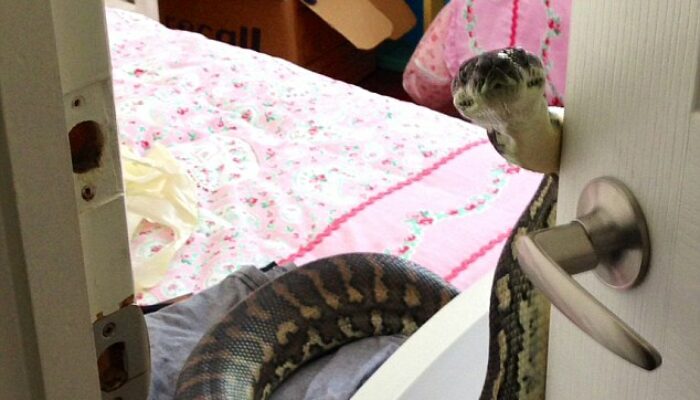
Dreams about a snake moving through the interior of one’s home are among the most vivid and emotionally charged nocturnal experiences. Whether the serpent glides silently across the floor or coils menacingly in a corner, the image often awakens a mix of dread and fascination. Interpreting this motif can reveal hidden anxieties, potential transformations, or spiritual messages that the subconscious is trying to convey.
Symbolic Meanings of Snakes in the Home
Across many cultures the snake is a dual symbol, representing both peril and potential. When it appears in a domestic setting the meanings tend to focus on the personal sphere:
- Transformation and renewal: Like a snake shedding its skin, the dream may signal a forthcoming change in one’s life, habits, or self‑perception.
- Hidden threats: The home is a place of safety; a serpent inside can point to concealed dangers, deceit, or unresolved conflicts lurking beneath the surface.
- Duality of emotion: The same creature can embody fear and fascination, indicating that the dreamer is navigating conflicting feelings about a situation.
Spiritual Interpretations Across Cultures
Christian Tradition
In Christian symbolism the snake often recalls the serpent of Genesis, representing temptation, sin, and the lure of forbidden knowledge. A snake in the house may reflect an internal struggle between moral aspirations and alluring shortcuts.
Islamic Tradition
Islamic teachings associate snakes with both hidden enemies and protective forces. The dream could be a warning to stay vigilant against people who might harm one’s peace, or, conversely, a reminder of divine protection, echoing the story of Moses and the staff‑turned‑serpent.
Hindu Tradition
In Hinduism the serpent, or “Naga,” is linked to fertility, divine guardianship, and spiritual awakening. Seeing a snake within the home may herald a period of inner growth, urging the dreamer to balance material responsibilities with spiritual development.
Psychological Perspectives
Freud’s View
Sigmund Freud interpreted snakes as phallic symbols, often tied to repressed sexual desire or anxiety. A house‑bound snake might therefore reveal underlying conflicts about sexuality, intimacy, or power dynamics in personal relationships.
Jung’s View
Carl Jung regarded the snake as an archetype of transformation and the “shadow” self. In his framework the serpent guides the individuation process, urging the dreamer to confront hidden aspects of the psyche and integrate them into conscious awareness.
Personal Reflection and Integration
When the snake appears, pause to note the emotions it provokes. Are you trembling with fear, watching with detached curiosity, or feeling a strange calm? These affective cues are essential for tailoring the interpretation to your waking life.
“The snake is a mirror of the self, reflecting what we hide.” – Carl Jung
Consider also the snake’s behavior: a coiled, threatening posture may point to unresolved tension, while a peacefully gliding serpent could indicate harmonious change or protective energy within the household.
Conclusion
The dream meaning of a snake in the house weaves together cultural myths, spiritual teachings, and deep‑psychological symbolism. Whether viewed as a herald of transformation, a warning of concealed danger, or an invitation to explore hidden desires, the image offers a valuable portal for self‑reflection. By attending to the emotions, context, and cultural resonances of the dream, you can uncover nuanced insights that support personal growth and greater self‑understanding.
FAQ
What does it mean when the snake is calm in the dream?
A calm snake often indicates that the change or hidden issue represented by the serpent is being integrated peacefully, suggesting personal growth.
Is a snake in the house always a negative omen?
Not necessarily. While it can signal hidden threats, many traditions also view the snake as a symbol of renewal, protection, or spiritual awakening.
How can I use this dream insight in my daily life?
Reflect on current situations that feel threatening or transformative, and consider whether you are avoiding a necessary change or overlooking hidden dynamics.




Leave a Reply