
Short Answer
Overview
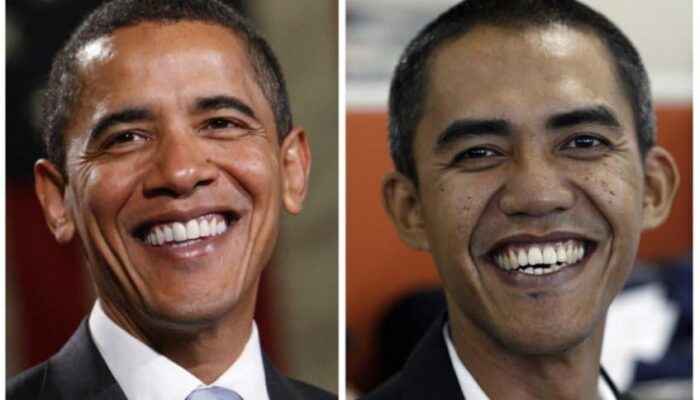
Dreams featuring a doppelganger—a double or exact replica of a person—have fascinated humans for centuries. The term originates from the German “doppelgänger”, meaning “double‑walker.” In the dream world, such a figure often serves as a mirror reflecting hidden aspects of the self, cultural anxieties, or spiritual tests. This article examines the multiple layers of meaning associated with seeing someone’s doppelganger while sleeping.
Symbolic and Psychological Interpretation
From a symbolic standpoint, a doppelganger represents the coexistence of opposing forces within the psyche. It is frequently linked to the concept of the shadow self—the parts of personality that are suppressed, denied, or unacknowledged.
Jungian Perspective
Carl Jung described the doppelganger as an archetypal image of the shadow. Encountering this double in a dream may signal the need to integrate disowned traits, fostering psychological wholeness. The dream invites the sleeper to ask: Which qualities does the double embody that I reject or fear?
Freudian View
Sigmund Freud often interpreted doubles as manifestations of repressed wishes or unresolved conflicts, especially those related to identity and sexuality. A doppelganger might act out impulses that the conscious mind finds unacceptable.
Spiritual and Religious Contexts
Many religious traditions assign specific spiritual meanings to doppelganger dreams.
Christianity
Within Christian symbolism, a doppelganger can be viewed as a test of faith. The double may embody temptation or doubt, urging the dreamer to examine their relationship with God and to choose authenticity over deception.
Islam
Islamic scholars often interpret such dreams as reflections of the soul’s condition. A double may remind the believer to pursue moral rectitude, aligning actions with Qur’anic teachings and encouraging self‑accountability.
Other Faiths
In Hinduism, a double may be linked to the concept of maya—the illusion that obscures true self‑knowledge. In Buddhism, it can symbolize the impermanent nature of identity, prompting mindfulness about the fluidity of the self.
Cross‑Cultural Beliefs
Beyond formal religions, folklore worldwide attaches varied meanings to doppelganger visions.
- Native American traditions: Some tribes regard a double as an omen of upcoming change or loss, urging preparation.
- European folklore: Historically, encountering a double was considered a harbinger of misfortune or illness.
- Asian folklore: In certain Chinese legends, a doppelganger may signal an unresolved karmic debt that requires attention.
Psychological Implications for Daily Life
The presence of a doppelganger in a dream can illuminate current emotional states and relational dynamics.
- Identity crisis: Feeling fragmented or uncertain about one’s role may surface as a double.
- Interpersonal projection: The double may represent a real person whose traits mirror the dreamer’s own unresolved issues.
- Fear of inadequacy: Seeing a more competent or confident double can highlight self‑doubt.
Recognizing these patterns helps the dreamer address underlying anxieties and work toward integration.
Practical Guidance for Interpreting the Dream
When you awaken after seeing a doppelganger, consider the following steps:
- Note the emotions felt during the encounter—fear, curiosity, hostility, or calm.
- Identify any recent life events that involve change, self‑evaluation, or conflict.
- Reflect on traits the double displayed. Do they correspond to parts of yourself you hide or admire?
- Explore cultural or spiritual frameworks you resonate with for additional insight.
Conclusion
Dreaming of a doppelganger is a multifaceted symbol that bridges mythology, psychology, and spirituality. Whether interpreted as a call to integrate the shadow, a spiritual test, or a cultural omen, the double invites deep self‑reflection. By examining emotional tone, personal context, and cultural background, dreamers can transform this striking image into a catalyst for personal growth.
FAQ
What does a doppelganger represent in Jungian analysis?
It is an image of the shadow self, encouraging integration of denied aspects of the personality.
Can a doppelganger dream indicate an upcoming life change?
In many cultural traditions, the double is seen as an omen of transition, prompting the dreamer to prepare for change.
How should I use the emotions felt in the dream for interpretation?
Emotions provide clues; fear may point to unresolved anxieties, while curiosity can suggest a willingness to explore hidden parts of the self.
Is there a spiritual risk associated with doppelganger dreams?
Most traditions view them as messages rather than threats, urging reflection and moral alignment rather than fear.




Leave a Reply