
Short Answer
Introduction
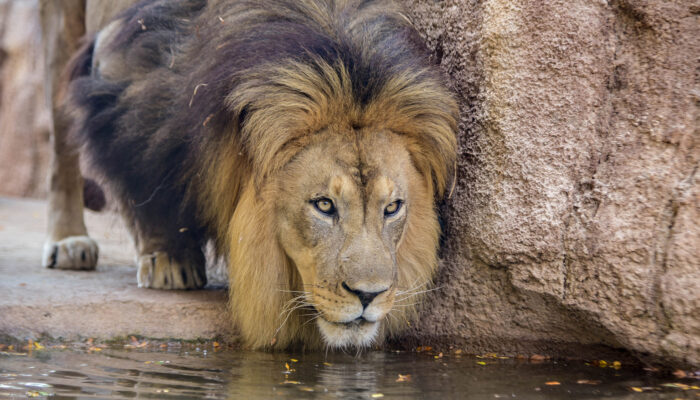
The lion, often called the “king of beasts,” appears in dreams with striking vividness. Whether the animal is prowling, roaring, or peacefully resting, its presence can trigger strong emotional responses. Across history, lions have symbolised power, courage, and sovereignty, making them potent symbols in the unconscious mind. This article examines the layered meanings of lion dreams, drawing from cultural traditions, spiritual teachings, and modern psychological theory.
Symbolic Interpretations
In a broad symbolic framework, the lion embodies three complementary qualities:
- Leadership: Authority, command, and the ability to influence others.
- Protection: Guardianship of self, family, or community.
- Raw Power: Unchecked energy, ambition, and primal instincts.
When a lion appears in a dream, the specific context often clarifies which aspect is being highlighted. For example:
| Dream Scenario | Possible Symbolic Meaning |
|---|---|
| Lion roaring at you | Confrontation with an external authority or an inner call to assert yourself. |
| Lion lying peacefully | Inner confidence, a sense of being protected, or the integration of personal strength. |
| Being chased by a lion | Unresolved fear, feeling overwhelmed by responsibilities, or avoidance of a powerful situation. |
| Feeding a lion | Recognition and nurturing of personal power or an emerging leadership role. |
Spiritual Meanings Across Cultures
Different religious and cultural traditions attribute distinct spiritual messages to lion imagery:
- Christianity: The “Lion of Judah” represents Christ, symbolising victory, divine authority, and spiritual courage. A lion dream may be interpreted as a reassurance of divine support.
- Islam: While the Qur’an does not detail dream symbolism, classical scholars often associate lions with honor, nobility, and forthcoming success.
- African Traditions: Many African societies view the lion as an ancestral protector. Dreaming of a lion can signal a call to reconnect with heritage or to seek guidance from one’s ancestors.
- Hinduism: The lion is linked to deities such as Narasimha (an avatar of Vishnu) and Durga’s mount, embodying divine protection and the destruction of evil.
These spiritual lenses suggest that a lion dream may carry a message of empowerment, moral fortitude, or a reminder of personal destiny.
Psychological Significance
From a modern psychological perspective, the lion functions as an archetype within the collective unconscious, a concept pioneered by Carl Jung. The lion can represent:
- The Shadow: Repressed aggression, ambition, or sexual energy that the dreamer has not fully acknowledged.
- The Self: The integrated, mature personality that balances strength with compassion.
- Personal Authority: The dreamer’s relationship with power—either embracing it or feeling threatened by it.
Therapeutic interpretation often asks the dreamer to consider their emotional response:
- Do you feel fear, awe, or admiration?
- Is the lion a threat or a guide?
- What life situations involve leadership, competition, or protection?
The answers can illuminate underlying tensions or aspirations that are seeking conscious attention.
Common Dream Scenarios and Their Nuances
1. The Roaring Lion
A roaring lion can signal an external challenge—perhaps a demanding boss, a confrontational family member, or an internal drive demanding expression. If the roar feels empowering, it may encourage the dreamer to claim their voice.
2. The Playful or Calm Lion
When the lion is docile, it often reflects inner harmony and confidence. This scenario may arise after a period of personal growth or when the dreamer feels adequately supported.
3. The Pursuing Lion
Being chased suggests avoidance. The dream may be urging the individual to confront a pressing issue rather than flee from it.
4. The Injured or Dead Lion
An injured lion can represent weakened personal power or a loss of confidence. A dead lion may indicate the end of a particular power dynamic, prompting the dreamer to reassess their identity.
Practical Tips for Interpreting Your Lion Dream
- Record the dream immediately upon waking, noting details such as setting, emotions, and actions.
- Identify the lion’s behavior (aggressive, calm, wounded) and relate it to current life events.
- Reflect on personal associations with lions—family stories, movies, cultural symbols.
- Consider whether the dream aligns with recent stressors, achievements, or transitions.
- If uncertainty persists, discuss the dream with a therapist or a knowledgeable dream‑interpretation group.
Conclusion
Seeing a lion in a dream is a rich, multifaceted symbol that can illuminate aspects of power, protection, and personal growth. Whether approached from a cultural, spiritual, or psychological angle, the lion invites the dreamer to explore the balance between strength and vulnerability, authority and humility. By paying close attention to context and emotional tone, individuals can transform a vivid nocturnal encounter into a valuable guide for waking life.
FAQ
What does it mean if I dream of a calm, sleeping lion?
A calm lion often reflects inner confidence and a sense of personal security, suggesting you feel protected or are integrating your own strength.
Why do I feel terrified when a lion chases me in a dream?
Being chased may indicate you are avoiding a challenging situation or feeling threatened by an authority figure in waking life.
Can a lion dream indicate future success or leadership opportunities?
Many cultural traditions view the lion as a positive omen for leadership and achievement, so the dream may be encouraging you to step into a more prominent role.
How can I use a lion dream for personal growth?
Reflect on the lion’s behavior and your emotional response, then consider how those themes of power, protection, or fear appear in your current life and what actions might align with your inner strengths.



Leave a Reply