
Short Answer
Introduction
Throughout history, the simple act of turning right or left in a dream has been interpreted as a mirror of the dreamer’s inner world. These directional symbols can point to moral dilemmas, cognitive preferences, emotional states, or even broader social attitudes. By examining the cultural, religious, and psychological layers attached to the right‑left dichotomy, a richer understanding of the dream’s message emerges.
Cultural and Religious Associations
Christian Tradition
In Christian theology the right hand frequently represents divine favor and authority. Scripture describes Jesus seated at the “right hand of the Father,” a position of honor and power. Consequently, dreaming of the right side is often linked to feelings of approval, hope, or alignment with moral righteousness, whereas the left side may suggest uncertainty, weakness, or distance from divine grace.
Islamic Tradition
The Qur’an also draws a clear line between the two directions. On the Day of Judgment the righteous receive their record in the right hand, signifying salvation, while the condemned receive theirs in the left hand, indicating loss. A dream that emphasizes the right direction can therefore be interpreted as a subconscious affirmation of ethical conduct, while a left‑oriented dream may flag moral ambiguity or unresolved guilt.
Psychological Perspectives
Modern psychology offers a complementary lens. The brain’s hemispheric specialization links the left hemisphere with logical analysis and language, and the right hemisphere with intuition, creativity, and holistic processing. When a dream highlights a right‑hand action, it may reflect a reliance on analytical, structured thinking; a left‑hand focus could point to a turn toward intuition or emotional processing. Sigmund Freud’s structural model (id, ego, superego) also underscores internal dualities that can surface as right‑left symbolism.
Symbolic Interpretation in Dream Narratives
The meaning of right versus left is highly context‑dependent. Consider the following common motifs:
- Choosing a path: A fork that turns left may symbolize an uncertain or unconventional choice, while a rightward turn can suggest confidence and alignment with established norms.
- Using hands: Performing a task with the right hand often conveys competence and authority; the left hand may reveal vulnerability, hesitation, or a need to develop new skills.
- Movement: Walking forward on the right side can indicate progress toward goals, whereas drifting left might hint at feeling stuck or exploring alternative possibilities.
“Dreams are the royal road to the unconscious.” – Carl Jung
Jung emphasized that symbols such as direction are archetypal, carrying personal and collective meanings that evolve with the dreamer’s life stage.
Socio‑Political Connotations
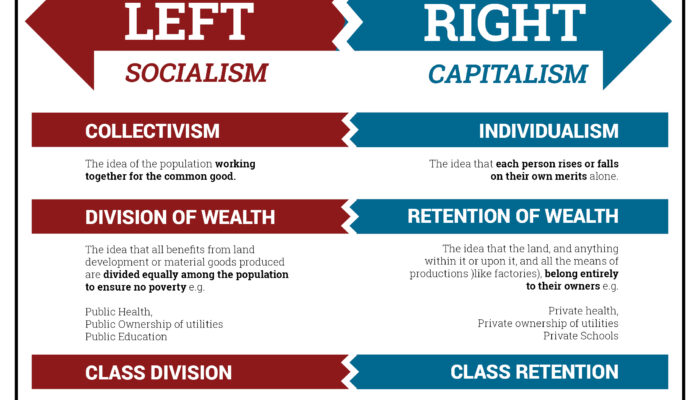
Beyond the personal sphere, right and left are entrenched in political discourse. In many societies, the “left” denotes progressive, reformist ideas, while the “right” signifies conservative, tradition‑preserving values. A dream that dramatizes this polarity may be processing the dreamer’s own political identity, societal pressures, or a perceived clash between innovation and stability.
Conclusion
Dreams that feature the directions right and left weave together threads from religion, culture, neuroscience, and personal experience. By paying attention to the surrounding narrative—whether it involves hands, pathways, or movement—individuals can uncover nuanced messages about their moral compass, cognitive balance, and social orientation. Recognizing these layered meanings supports deeper self‑awareness and can guide more intentional choices in waking life.
FAQ
What does dreaming of moving to the right indicate?
It often reflects confidence, alignment with personal values, or a logical, goal‑oriented approach.
Why might a left‑handed action appear in a dream?
A left‑handed action can symbolize vulnerability, the need to develop new skills, or an intuitive, creative stance.
Can political meanings affect the interpretation of right‑left dreams?
Yes; when the dream context includes symbols of ideology, the directions may echo the dreamer’s internal debate between progressive and conservative viewpoints.



Leave a Reply