
Short Answer
Introduction to the Symbolism of Portals
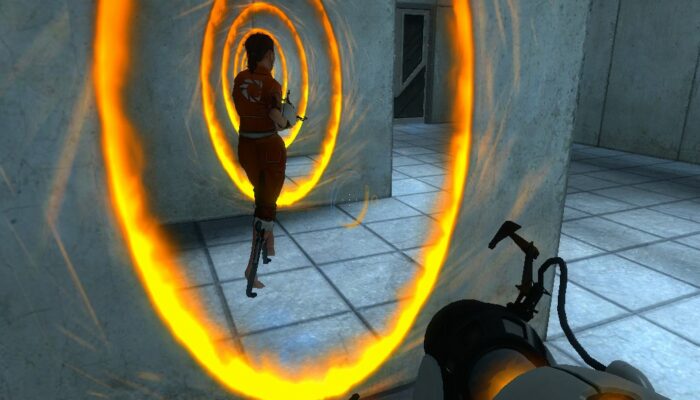
Throughout human history, portals have served as powerful archetypes, evoking curiosity and mystery across diverse cultures and belief systems. In the context of dream analysis, a portal is rarely just a physical doorway; rather, it signifies a multifaceted dimension of experience. Whether appearing as a shimmering rift, a traditional gate, or a mystical doorway, the portal represents the intersection between where the dreamer currently stands and where they are destined to go.
This exploration examines the various meanings attributed to portals, from their psychological implications in the human psyche to their spiritual significance in major world religions and philosophical frameworks.
Psychological Interpretations: The Gateway to the Self
From a psychological perspective, portals are profound symbols of transition and internal evolution. Many practitioners of dream analysis draw upon the theories of Carl Jung, suggesting that a portal represents the threshold between the conscious and the unconscious mind.
The Threshold of the Unconscious
Crossing a portal in a dream may embody the courage required to confront repressed emotions or hidden truths. It is often seen as an invitation to explore the “shadow self,” requiring the dreamer to move past their fears to achieve a more integrated sense of self. The act of entering a portal suggests a willingness to undergo personal growth and psychological metamorphosis.
Life Transitions and Ambivalence
Portals also frequently mirror real-world life transitions, such as:
- The shift from adolescence to adulthood.
- Changing career paths or relocating to a new city.
- The end of a relationship and the beginning of a new chapter.
The emotional state of the dreamer—whether they feel hesitation, excitement, or dread—reflects their current ambivalence toward these inevitable changes in their waking life.
Spiritual and Religious Perspectives
Portals are deeply embedded in the spiritual fabric of many faiths, often serving as conduits between the earthly realm and the divine.
Christianity and the Path to Salvation
In Christian tradition, portals often symbolize the concept of salvation and the passage to eternal life. The New Testament emphasizes a “narrow path,” which can be interpreted as a celestial portal. This imagery is closely tied to the belief in Jesus as the “gate” through which believers must pass to attain heavenly reward, marking the transition from mortal existence to spiritual fulfillment.
Islamic Eschatology and the Sirat
In Islamic tradition, the concept of the Sirat—the bridge over Hellfire—functions as a pivotal portal. This crossing represents the final transition between earthly deeds and divine consequences. Here, the portal serves as a reminder of accountability and the imperative of leading a pious, righteous life to ensure a successful passage into paradise.
Indigenous and Folkloric Traditions
Many indigenous cultures view portals as sacred passageways that connect the physical world with spiritual dimensions. These are often perceived as conduits for communicating with ancestors or deities, blending mortality with immortality and celebrating the cyclical nature of existence through ritualistic passage.
Philosophical and Logical Dimensions
Beyond psychology and religion, portals can be viewed through the lens of syllogistic reasoning and philosophy. In this context, a portal serves as an allegory for the logical process: the premises of an argument act as the gateway, and the conclusion is the destination on the other side.
“The act of seeking enlightenment can be likened to traversing a portal—a transition from ignorance to knowledge, a shift from darkness into light.”
This interpretation encourages a nuanced understanding of how we traverse intellectual paths to arrive at profound realizations about the nature of existence.
Summary of Portal Symbolism
| Perspective | Primary Meaning | Key Association |
|---|---|---|
| Psychological | Internal Growth | Conscious vs. Unconscious |
| Spiritual | Divine Transition | Salvation / Accountability |
| Philosophical | Intellectual Shift | Ignorance to Knowledge |
| Cultural | Ancestral Connection | Physical to Spiritual Realm |
In summary, the imagery of a portal invites the dreamer to relinquish the known and embrace the myriad possibilities awaiting them. By analyzing these symbols, individuals can empower themselves to transcend existing confines and nurture their innate potential for transformation.
FAQ
What does it mean if I am afraid to enter the portal in my dream?
Fear typically reflects anxiety or resistance toward a major change or transition occurring in your waking life.
Does a portal always signify something positive?
Not necessarily. While often positive (growth), it can also represent a fear of the unknown or a daunting transition.
How does a portal differ from a door in a dream?
While a door is common, a 'portal' often implies a more supernatural, spiritual, or profound shift in reality or consciousness.





Leave a Reply