
Short Answer
Introduction
Across cultures, music has been regarded as a bridge between the material and the transcendent. When musical instruments surface in dreams, they carry layered messages that can illuminate a dreamer’s inner life. The interpretation of these symbols depends on the specific instrument, the context of the dream, and the dreamer’s personal and cultural background.
Symbolic Significance of Common Instruments
Each class of instrument tends to evoke a particular set of associations:
- Piano or Keyboard: Balance between intellect and emotion; the need for harmony in decision‑making.
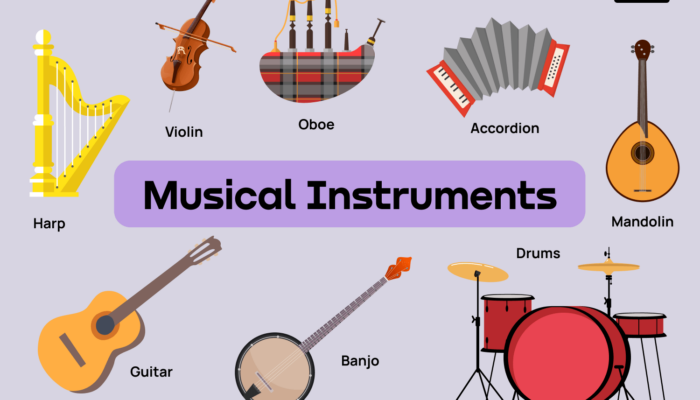
- Stringed Instruments (guitar, harp, violin): Creative expression, artistic aspirations, or a desire to reconnect with a personal talent.
- Brass Instruments (trumpet, trombone): Calls to action, public recognition, or the assertion of one’s voice in a social setting.
- Percussion (drum, cymbals): Connection to primal energy, rhythm of daily life, or the need to ground oneself.
- Woodwinds (flute, clarinet): Communication, subtlety, and the flow of ideas or emotions.
The manner in which the instrument is used—playing effortlessly, struggling, or merely observing—adds further nuance. Mastery in the dream often mirrors confidence in real‑life challenges, whereas a broken or out‑of‑tune instrument can signal feelings of inadequacy.
Spiritual Dimensions Across Traditions
Musical instruments occupy distinct spiritual roles in various religious and cultural systems:
- Christianity: Instruments are linked to worship and praise, echoing the Psalms’ encouragement to “make a joyful noise.” Dreaming of such instruments may invite deeper devotion or a reminder to listen to divine guidance.
- Islamic Perspectives: While some schools view music as a distraction, others recognize it as a vehicle for spiritual expression (e.g., Sufi chanting). A dream featuring instruments can reflect an inner tension between worldly pleasures and spiritual focus, or a call to integrate music into prayerful practice.
- Indigenous and Tribal Cultures: Instruments often serve as conduits to ancestors and the spirit world. In dreams, they may symbolize ancestral wisdom, communal identity, or an invitation to honor one’s heritage.
These diverse interpretations underscore the importance of considering the dreamer’s cultural framework when analyzing symbolic meaning.
Psychological Perspective
From a Jungian standpoint, musical instruments are archetypal extensions of the self. They can represent facets of the psyche that seek expression:
- Drum: The rhythmic, instinctual core—the “shadow” that drives survival impulses.
- Flute: The airy, communicative aspect, relating to the dreamer’s ability to articulate feelings.
- Violin: The refined, aesthetic self, pointing to a yearning for beauty and harmony.
Playing an instrument in a dream may reflect the dreamer’s sense of mastery over these inner aspects. Conversely, an instrument that refuses to produce sound can indicate suppressed emotions or a perceived loss of control.
Interpretation Tips for Dreamers
- Identify the specific instrument and note any personal connections (e.g., a childhood piano).
- Observe the emotional tone: joy, frustration, fear, or awe.
- Consider the setting—concert hall, practice room, or wilderness—and its symbolic resonance.
- Reflect on recent life events that may parallel the instrument’s symbolism (e.g., a new project prompting a “trumpet call”).
- Integrate cultural or spiritual beliefs that shape your relationship to music.
Conclusion
Musical instruments in dreams function as multidimensional symbols, weaving together emotional, spiritual, and psychological threads. While interpretations are inherently personal, recognizing the common meanings associated with each instrument can guide dreamers toward greater self‑awareness and creative insight.
FAQ
What does it mean to dream of a broken piano?
A broken piano often signals feelings of creative blockage or difficulty expressing emotions.
Why might I see a drum in a dream during a stressful period?
The drum can represent the primal rhythm of life; its appearance may be urging you to reconnect with a steady, grounding routine.
Can the type of instrument indicate future opportunities?
Yes, instruments associated with public performance, like a trumpet, may foreshadow chances to speak out or gain recognition.



Leave a Reply