Short Answer
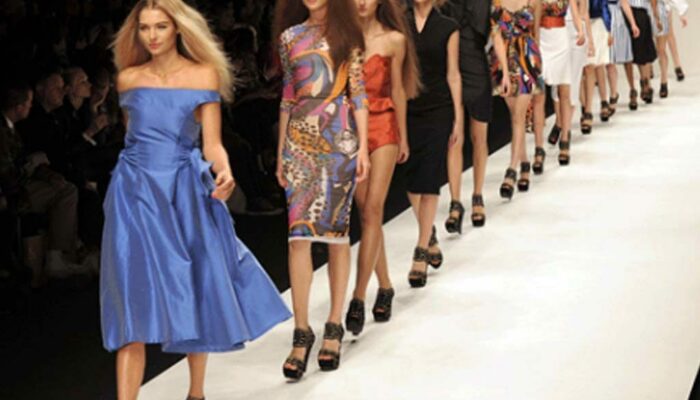
Dreams often serve as portals into our subconscious, reflecting our deepest desires, latent fears, and innermost thoughts. One evocative symbol that frequently appears in these nocturnal visions is modelling. Far from being a simple reflection of a desire for fame or beauty, the act of modelling in a dream is a complex symbol intertwining psychological, spiritual, and cultural threads.
At its core, modelling encapsulates the act of representation or simulation, often embodying idealized forms of beauty, behavior, or success. When encountered in dreams, it frequently advocates for introspection, encourages rigorous self-evaluation, and challenges the dreamer’s perception of their own identity.
Deductive Reasoning: The Syllogism of Modelling
Using syllogism—the art of deductive reasoning—we can create a framework to decipher the presence of modelling in the psyche. Consider the following logical premises:
- Premise One: Modelling represents the projection of idealized versions of the self.
- Premise Two: Dreams illuminate aspects of the psyche that are often overlooked during waking hours.
- Conclusion: Therefore, dreaming of modelling may indicate a subconscious pursuit of self-actualization and personal growth.
This approach suggests that such dreams are an encouragement to embrace one’s aspirations while remaining rooted in authenticity. The tension often found in these dreams—the gap between the “model” and the “person”—reflects the dichotomy between superficial external perceptions and profound internal worth.
Symbolic Interpretations and Metamorphosis
In the symbolic language of the dream world, modelling is closely tied to themes of transformation, representation, and self-expression. Depending on the context, these symbols can be interpreted in several ways:
| Dream Element | Symbolic Meaning |
|---|---|
| The Act of Posing | A desire to control how one is perceived by others. |
| Changing Outfits | A transition or metamorphosis in waking life; adopting new roles. |
| The Runway/Stage | Feelings of vulnerability or the pressure of societal expectations. |
| Audience Reaction | The dreamer’s current level of self-esteem and need for validation. |
Furthermore, the attire worn during a modelling dream serves as a narrative device. Clothes are not merely fabric; they embody social scripts. The act of modelling thus becomes an outlet for expressing individuality, prompting the dreamer to navigate the delicate balance between authenticity and societal influence.
Spiritual Perspectives Across Cultures
The spiritual implications of modelling vary significantly across different belief systems, often shifting the focus from the physical self to the moral or spiritual self.
Abrahamic Traditions
In Christianity, modelling may be interpreted as an aspiration to mirror Christ-like virtues such as love, humility, and grace. In this context, the dreamer is “modelling” their behavior after divine principles to achieve spiritual alignment.
Similarly, in Islamic spirituality, such dreams may be viewed as reminders to embody the characteristics of a righteous believer (Mu’min), emphasizing honesty, generosity, and benevolence. Here, modelling is a divine calling toward inner purity and ethical living.
Indigenous and Collective Worldviews
In various indigenous cultures, modelling may symbolize a deep interconnectedness with nature and community. Dreaming of representing a form can encapsulate the responsibility of carrying one’s tribe or heritage, reminding the dreamer of their roots while they navigate the complexities of modernity.
Psychoanalytical Perspectives
Modern psychology offers two primary lenses through which to view these dreams:
Freudian Analysis: Sigmund Freud might suggest that modelling dreams touch upon the ego’s confrontation with the “Ideal.” These dreams highlight the conflict between internal desires and the external validation sought from the “Super-ego” or society.
Jungian Analysis: Carl Jung would likely view modelling as an encounter with the anima or animus (the inner feminine or masculine aspects). The process of posing and presenting different versions of the self reflects the journey of individuation—the integration of various archetypes to achieve a complete and nuanced sense of identity.
Conclusion
The dream meaning of modelling transcends the superficial, inviting a profound exploration of self-identity and spiritual alignment. Whether viewed as a psychological struggle for validation or a spiritual quest for virtue, modelling serves as a powerful motif that illuminates the complexities of the human experience. By unlocking these symbols, dreamers are encouraged to pursue their highest aspirations without sacrificing their authentic essence.
FAQ
What does it mean to dream about being a model?
Dreaming of modelling often symbolizes a pursuit of self-actualization, a desire for external validation, or a transition in how you present yourself to the world.
Is dreaming of modelling always about vanity?
No. While it can relate to superficiality, it often represents deeper psychological needs for identity formation or the alignment of one’s true self with an idealized version.
How do spiritual beliefs influence the meaning of modelling dreams?
Depending on the culture, it can represent mirroring divine virtues (Christianity), embodying ethical living (Islam), or representing cultural heritage (Indigenous cultures).




Leave a Reply