
Short Answer
Understanding the Role of the Masseter Muscle in Facial Aesthetics
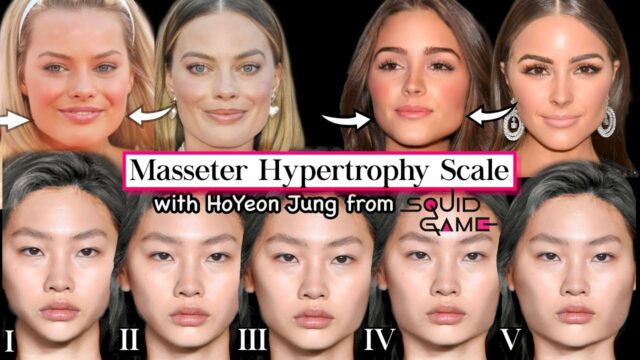
The lower facial contour is significantly influenced by the masseter muscle, one of the primary muscles responsible for chewing. When this muscle becomes enlarged—a condition known as masseter muscle hypertrophy—it can lead to a broader, more square jawline. For many, particularly women seeking a more tapered appearance, this can impact overall facial harmony and the perceived balance of the lower face.
The “Triangle of Youth” and Facial Harmony
In aesthetic medicine, the “Triangle of Youth” refers to a facial structure where the widest part of the face is at the cheekbones and tapers down to a slim, defined chin. A wide mandibular angle or hypertrophied masseters can shift this appearance toward a square shape, which may alter the perceived sexual dimorphism of the face, as wider jawlines are often associated with more masculine features.
What is Masseter Muscle Hypertrophy?
Masseter hypertrophy occurs when the muscle increases in size. This can be attributed to several factors:
- Genetics and Ancestry: Certain ethnic backgrounds are more predisposed to stronger, wider jaw structures.
- Bruxism: Chronic jaw clenching or teeth grinding often leads to muscle overdevelopment.
- Lifestyle Factors: Constant tension in the jaw due to stress can contribute to hypertrophy.
How Botox (Neuromodulators) Slims the Face
Botox and other neuromodulators work by blocking the nerve signals that trigger muscle contraction. When injected into the masseter muscle, the toxin induces a temporary state of partial paralysis or reduced activity. Over time, the lack of frequent, forceful contraction leads to muscle atrophy, which physically slims the lower face and softens the jawline.
Identifying Ideal Candidates
Not everyone with a square face is a candidate for masseter Botox. The primary distinction is whether the width is caused by bone structure (the mandible) or muscle volume (the masseter). Candidates who typically see the best results include:
- Individuals with palpable, bulging masseter muscles when clenching.
- Those suffering from bruxism (grinding) or TMJ-related jaw pain.
- Patients seeking to transition from a square face shape to a more oval or V-shaped contour.
(Refer to clinical imagery for visual representation of the Masseter Muscle Hypertrophy Scale)
Treatment Considerations and Side Effects
Dosage: Facial Slimming vs. Therapeutic Treatment
The unit dosage for masseter Botox varies based on the goal. Patients seeking therapeutic relief for jaw clenching may require different dosing than those pursuing aggressive facial slimming. Precision in placement is critical to avoid affecting other facial muscles.
Potential Complications
| Potential Issue | Description | Prevention/Treatment |
|---|---|---|
| Excessive Atrophy | The muscle shrinks too much, causing a hollow look. | Conservative dosing and gradual titration. |
| Muscle Migration | Botox may migrate to adjacent muscles. | Expert injection technique and anatomical mapping. |
Conclusion
Masseter Botox offers a dual-purpose solution: it provides a non-surgical method for facial slimming and offers relief for those struggling with bruxism. By understanding the interplay between muscle hypertrophy and bone structure, patients can make informed decisions about their aesthetic journey.
FAQ
How long does Masseter Botox last?
Results typically last between 3 to 6 months, depending on the individual's metabolism and the amount of muscle mass.
Can anyone with a square face get this treatment?
No. If the square shape is due to the actual bone structure of the mandible rather than muscle hypertrophy, Botox will not slim the face.
Does it help with jaw pain?
Yes, it is frequently used to treat bruxism and TMJ symptoms by reducing the force of the jaw clench.




Leave a Reply