
Short Answer
Introduction
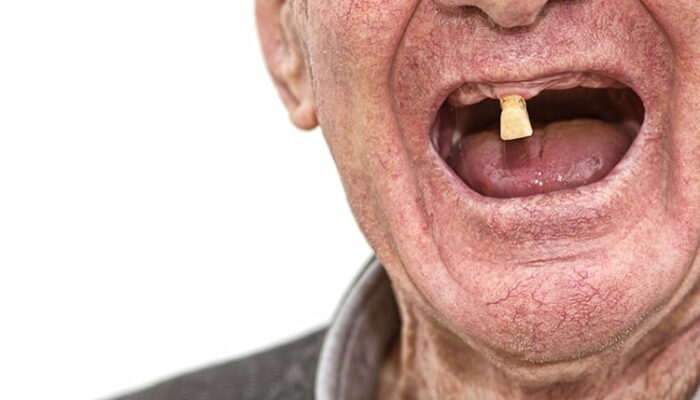
Dreams about losing a tooth are among the most common oral‑related motifs reported across cultures. While the imagery may seem unsettling, scholars of dream interpretation have linked the symbol to a range of personal, social, and spiritual themes. This article provides an encyclopedic overview of the major frameworks used to understand this dream, including symbolic, religious, and psychological perspectives.
Symbolic Interpretations
From a symbolic standpoint, the mouth is associated with communication, nourishment, and personal identity. Losing a tooth can therefore signify:
- Transition or renewal – Similar to shedding a leaf, the loss may represent the end of one life phase and the beginning of another.
- Fear of loss of power – Teeth are tools for biting and chewing; their loss can metaphorically indicate a feeling of reduced agency or influence.
- Concerns about appearance – In societies that value dental aesthetics, a missing tooth may trigger anxieties about self‑image or social judgment.
- Financial or material insecurity – Some folkloric traditions equate teeth with wealth or status; their loss can mirror worries about economic stability.
These meanings often overlap, and the dominant interpretation depends on the dreamer’s personal context.
Spiritual and Cross‑Cultural Significance
Various religious and cultural traditions assign specific meanings to tooth‑loss dreams:
| Tradition | Typical Interpretation |
|---|---|
| Christianity | Often viewed as a sign of trial, humility, or spiritual purification preceding growth. |
| Islam | May indicate familial discord or be interpreted as a warning of an upcoming loss within the family. |
| African (selected societies) | Seen as an invitation to reconnect with ancestors or to heed communal responsibilities. |
| Chinese folklore | Commonly linked to the loss of a relative or to upcoming changes in health. |
Interpretations vary widely, and scholars caution against universalizing any single meaning without considering cultural nuance.
Psychological Insights
Modern psychology offers several lenses for understanding tooth‑loss dreams:
Freudian Perspective
Sigmund Freud regarded oral symbols as expressions of repressed sexual or aggressive impulses. He suggested that dreaming of a missing tooth could reflect anxieties about castration, loss of potency, or unresolved childhood conflicts.
Jungian Perspective
Carl Jung interpreted teeth as archetypal symbols of power and vitality. In his view, the disappearance of a tooth may signal an unconscious process of individuation—letting go of an old self‑image to make way for a new, integrated identity.
Contemporary Cognitive‑Behavioral Views
Current research emphasizes the role of personal experience. Stressors such as recent dental procedures, aging concerns, or public speaking anxiety can manifest in dreams as tooth loss, serving as a metaphor for perceived vulnerability.
Logical (Syllogistic) Approach
Premise 1: Dreams often mirror significant emotions or life events.
Premise 2: Losing a tooth in waking life is associated with change, loss, or discomfort.
Conclusion: Therefore, dreaming of losing a tooth likely reflects an underlying emotional response to change or loss in the dreamer’s waking life.
This simple syllogism illustrates how dream analysts can move from general principles to specific interpretations, while acknowledging the need for individual verification.
Conclusion
Dreams of losing a tooth can embody a complex blend of symbolic, cultural, and psychological meanings. Whether the image signals personal transition, social anxiety, spiritual messaging, or a combination of these factors, careful reflection on one’s own life circumstances is essential for accurate interpretation.
By situating the motif within broader theoretical frameworks, individuals can gain insight into subconscious concerns and potentially use the dream as a catalyst for personal growth.
FAQ
What does dreaming about a loose tooth indicate?
A loose tooth often reflects feelings of instability or uncertainty about an upcoming decision or life change.
Can a tooth‑loss dream predict actual dental problems?
While some people report coincidences, most research suggests the dream is symbolic rather than a literal health forecast.
Why do many cultures associate tooth loss with death or loss?
Teeth are symbols of vitality and strength; their loss can metaphorically represent the weakening of life forces, which many traditions interpret as a warning of death or serious loss.


Leave a Reply