
Short Answer
Introduction
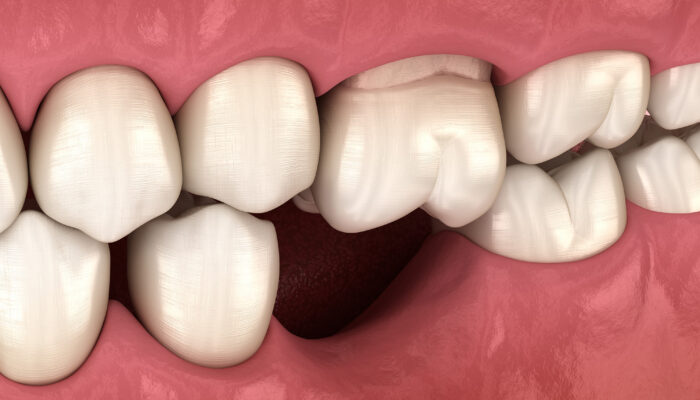
Across cultures and centuries, the image of a tooth slipping out while we sleep has intrigued dreamers and scholars alike. While the visual is vivid, its meaning is multifaceted, ranging from personal loss and transformation to spiritual warnings and cultural omens. This article examines the motif from several perspectives, providing a comprehensive framework for interpreting a tooth‑loss dream.
Symbolic Interpretation
From a symbolic standpoint, teeth represent the tools we use to bite, chew, and speak. Consequently, they are linked to personal power, communication, and self‑esteem.
- Loss of power or influence: A tooth falling out may echo fears of losing authority at work or in relationships.
- Transition and growth: Just as baby teeth give way to adult teeth, the dream can signal a necessary shedding of old habits to make room for new capabilities.
- Vulnerability: The sudden exposure of an empty socket can mirror feelings of embarrassment or exposure in waking life.
Spiritual Perspectives
Religious traditions often attach moral or prophetic significance to tooth‑loss dreams.
Christianity
In many Christian interpretations, a missing tooth can symbolize spiritual decay or a call to examine one’s faith. Some theologians liken teeth to the “bread of life,” suggesting that their loss points to a hunger for deeper spiritual nourishment.
Islam
Islamic scholars view the dream as a reminder of life’s fleeting nature. It may also hint at discord within family ties or signal upcoming financial fluctuations, urging the dreamer to seek reliance on divine provision rather than material wealth.
Other Faiths and Beliefs
Other spiritual frameworks, such as certain New Age traditions, see the loss as a sign of releasing material attachments and moving toward higher consciousness.
Psychological Theories
Modern psychology offers several lenses through which to view tooth‑loss dreams.
Freudian View
Sigmund Freud associated tooth loss with repressed sexual anxieties and fears of impotence. He argued that the dream reflects unconscious concerns about aging and loss of virility.
Jungian Perspective
Carl Jung interpreted the motif as an archetypal symbol of personal integration. The falling tooth represents the struggle to reconcile past experiences with the present self, often surfacing during periods of emotional upheaval.
Contemporary Research
Recent studies link tooth‑loss dreams to stress, health anxieties, or even dental issues experienced during sleep. The dream may act as a somatic metaphor for bodily concerns.
Cultural Interpretations
| Culture | Common Meaning |
|---|---|
| African (various) | Impending major life change such as marriage, new job, or birth. |
| Native American (selected tribes) | Spiritual awakening and acquisition of wisdom. |
| Chinese folklore | Loss of money or financial instability. |
| Hindu tradition | Warning of upcoming illness or a need for purification. |
Common Variations of the Dream
Dreams about teeth can manifest in several ways, each adding nuance to the interpretation.
- Teeth falling out silently: Often linked to unnoticed loss of confidence.
- Teeth crumbling or rotting: May indicate fear of deteriorating health or reputation.
- Pulling out a tooth yourself: Suggests an active decision to let go of something.
- Seeing someone else lose a tooth: Can reflect concerns about that person’s wellbeing or your relationship with them.
Reflecting on Your Dream
To derive personal meaning, consider the following steps:
- Recall the emotions you felt during the dream—fear, relief, embarrassment?
- Identify any current life transitions (e.g., career change, relationship shift).
- Examine recent stressors, health concerns, or dental issues.
- Explore cultural or spiritual beliefs that resonate with you.
Journalling the dream details and mapping them onto these categories can reveal patterns and guide actionable insight.
Conclusion
The motif of losing a tooth weaves together symbolism, spirituality, psychology, and cultural lore. Whether you view the dream as a metaphor for personal loss, a spiritual signal, or a psychological cue, it invites a deeper exploration of the self. By integrating the various interpretive lenses, you can transform a fleeting night‑time image into a meaningful catalyst for growth.
FAQ
What does it mean if I dream of a tooth falling out without pain?
The absence of pain often suggests the loss is more symbolic than physical, such as letting go of a role or identity without feeling threatened.
Can a tooth‑loss dream predict actual dental problems?
While some people report a correlation, most research indicates the dream reflects emotional or psychological concerns rather than direct physical health warnings.
How should I use this interpretation for personal growth?
Identify the life area the dream touches—career, relationships, health—then consider concrete steps to address any underlying anxiety or to embrace the change the dream signals.




Leave a Reply