
Short Answer
Overview
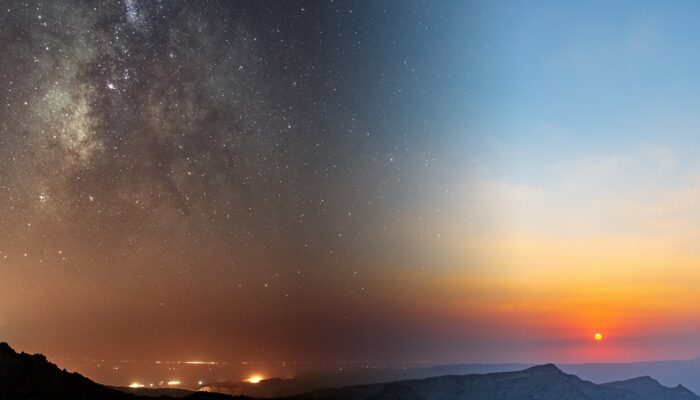
Seeing the sun set within a dream can feel both unsettling and profoundly meaningful. The image of daylight surrendering to night is a powerful metaphor that recurs across cultures, religions, and psychological theories. This article examines the multilayered significance of the day‑to‑night transition in dreams, providing readers with a framework for personal interpretation.
Symbolic Interpretation of Light and Darkness
Day as Consciousness
In most symbolic systems, daylight represents clarity, rational thought, and outward activity. It is associated with the waking self, logical problem‑solving, and the visible world. When a dreamer experiences day, they are often feeling grounded in reality and in control of their circumstances.
Night as the Unconscious
Conversely, night is linked to the hidden, the mysterious, and the emotional realm. Darkness can denote secrecy, fear of the unknown, or a retreat into introspection. Dreaming of nightfall therefore signals a movement toward inner exploration, where suppressed feelings and archetypal images may surface.
Psychological Perspectives
Jungian Shadow Work
Carl Jung described the “shadow” as the collection of traits we deny or repress. Night in a dream often serves as a canvas for these shadow aspects to appear. Engaging with the night‑symbol can facilitate integration of the shadow, leading to greater psychological wholeness.
Freudian View
Sigmund Freud associated darkness with unconscious wishes and unresolved conflicts. A transition from day to night may reflect a shift from conscious suppression to the emergence of latent desires, especially those considered socially unacceptable.
Contemporary Research
Modern sleep studies indicate that REM sleep—the stage most associated with vivid dreaming—frequently includes imagery of changing light conditions. Researchers such as G. William Domhoff suggest that these shifts mirror the brain’s processing of emotional memories.
Logical (Syllogistic) Framework
- Day symbolizes awareness, clarity, and active engagement.
- Night symbolizes introspection, the unconscious, and hidden fears.
- Therefore, dreaming of day turning to night signifies a movement from conscious activity toward a period of inner reflection.
This deductive reasoning can help the dreamer pinpoint current life phases that demand contemplation, such as a career change, relationship transition, or personal loss.
Spiritual and Cultural Meanings
Christian Tradition
“Weeping may endure for a night, but joy comes in the morning.” – Psalm 30:5
In Christian symbolism, daylight often conveys divine presence and grace, while night can denote trial, temptation, or spiritual testing. Dreaming of nightfall may therefore be interpreted as a temporary period of hardship that precedes renewal.
Islamic Perspective
Islamic teachings regard light (“nūr”) as a manifestation of Allah’s guidance. Darkness suggests ignorance or moral ambiguity. A dream of day becoming night can be a reminder to seek knowledge and spiritual illumination before the encroaching uncertainty of darkness.
Native American and Indigenous Views
Many Indigenous cultures emphasize balance between light and dark, viewing the sunset as a sacred moment of transition. The dream may encourage the individual to honor both aspects of self—activity and rest, expression and contemplation.
Other Mythologies
In Greek mythology, the goddess Nyx personifies night, while Helios embodies the sun. Their interplay highlights the cyclical nature of existence. Dreaming of their meeting can symbolize the inevitable rhythm of growth, decay, and rebirth.
Practical Implications for Dreamers
- Introspection: Use the dream as a cue to journal about current anxieties or unresolved issues.
- Creative Inspiration: Nighttime imagery often sparks artistic ideas; consider channeling the dream’s mood into writing, music, or visual art.
- Emotional Processing: Acknowledge any fear associated with darkness and explore coping strategies such as meditation or counseling.
- Spiritual Seeking: If the dream feels religious, engage in prayer, study, or community rituals that align with your faith tradition.
Conclusion
The image of day turning to night in a dream functions as a rich symbolic bridge between the conscious and unconscious realms. Whether interpreted through Jungian psychology, biblical metaphor, or Indigenous balance, the motif invites the dreamer to embrace transition, integrate hidden aspects of self, and emerge with renewed insight.

FAQ
What does it mean when I dream of a sunset?
A sunset often signals the end of a phase and the beginning of introspection, urging you to reflect on recent changes.
Is dreaming of night a sign of impending danger?
Not necessarily. In most traditions, night represents the unconscious and can be a safe space for processing emotions rather than a literal warning.
How can I use this dream for personal growth?
Write down the emotions you felt during the transition, explore any current life changes, and consider meditation or creative activities to integrate the insights.





Leave a Reply