
Short Answer
Overview
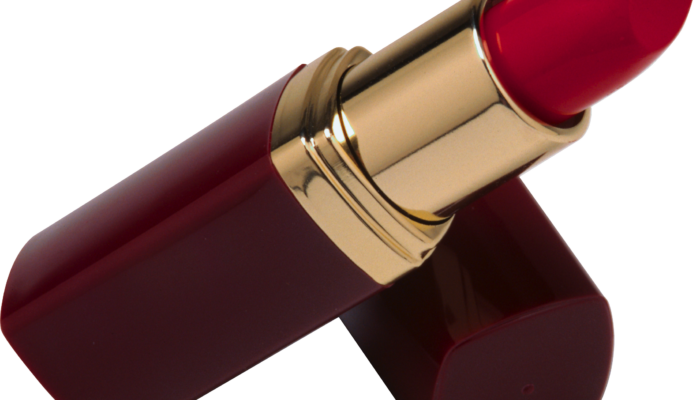
In dream analysis, objects serve as mirrors of the subconscious. Lipstick, a cosmetic associated with appearance and communication, frequently appears in nocturnal narratives. Its presence can reveal underlying wishes for self‑enhancement, social approval, or deeper emotional currents.
Core Symbolism
At the most fundamental level, lipstick represents self‑transformation and personal expression. Applying it in a dream may indicate a readiness to present a new aspect of the self, conceal perceived flaws, or assert confidence in social situations.
- Desire for improved appearance or confidence.
- Need to hide insecurities or mask true feelings.
- Creative or artistic self‑expression.
Cultural and Historical Context
Across cultures, lipstick carries dual connotations of attraction and deception. In many societies, a bold lip colour signals seduction or social status, while softer shades may denote modesty or innocence. These cultural layers influence how a dreamer interprets the symbol.
Colour Variations
| Colour | Typical Interpretation |
|---|---|
| Red | Passion, assertiveness, or a desire for power. |
| Pink | Gentle affection, yearning for acceptance, or youthful optimism. |
| Dark (burgundy, plum) | Deep emotions, mystery, or unresolved conflicts. |
| Neutral (nude, beige) | Desire for subtlety, practicality, or blending in. |
Religious Perspectives
Interpretations differ among faith traditions:
- Christianity: Cosmetics may be linked to vanity, prompting reflection on inner versus outer beauty.
- Islam: Modesty is emphasized; lipstick in a dream can symbolize tension between worldly allure and spiritual values.
- Other traditions: Some view beautification as celebrating divine gifts of individuality.
Psychological Interpretation
From a psychological standpoint, lipstick can embody:
- Self‑esteem concerns – a longing to feel attractive or respected.
- Gender identity – for some, the act may reveal repressed femininity or masculinity.
- Power dynamics – applying lipstick before a social encounter may signal preparation for influence or negotiation.
Dreams where the lipstick is smudged or worn away often point to fears of inadequacy or loss of control, whereas a flawless application suggests confidence and readiness.
Typical Dream Scenarios
Different narrative contexts shift meaning:
- Applying lipstick confidently: Emerging self‑assurance, readiness to face a challenge.
- Finding lipstick missing: Feelings of vulnerability or loss of personal power.
- Seeing someone else with vivid lipstick: Projection of desire for qualities the other person embodies.
- Lipstick spilling or staining: Anxiety about reputation or unintended consequences of self‑presentation.
Conclusion
Whether viewed through cultural, religious, or psychological lenses, lipstick in dreams serves as a multifaceted symbol of self‑presentation, desire, and transformation. By attending to colour, context, and emotional tone, dreamers can gain valuable insight into their inner motivations and the balance between outward image and inner authenticity.
FAQ
What does dreaming of bright red lipstick indicate?
It often reflects strong desires for passion, confidence, or a need to assert oneself in a situation.
If the lipstick in my dream is smudged, what might that mean?
A smudged or ruined lipstick can symbolize fears of inadequacy, loss of control, or concerns about how others perceive you.
Do religious interpretations of lipstick dreams differ significantly?
Yes; for example, Christian views may associate it with vanity, while Islamic perspectives may link it to modesty and the tension between worldly allure and spiritual values.




Leave a Reply