
Short Answer
Introduction to the Haunted House Symbolism
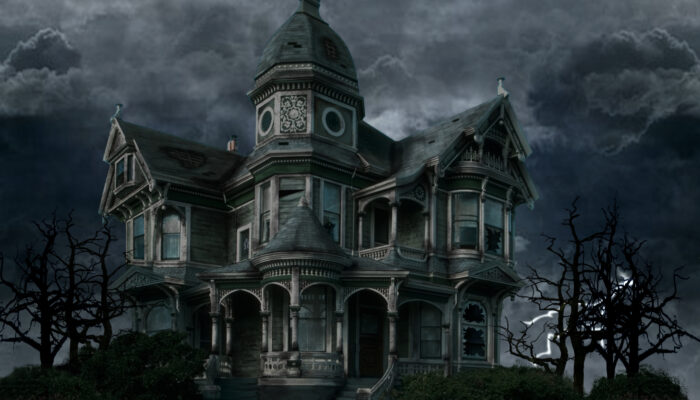
Dreams act as enigmatic vessels for the subconscious, weaving together our deepest fears, aspirations, and lived experiences. Among the various symbols encountered in the dream state, the haunted house is one of the most potent and evocative. Far from being a mere nightmare, this image encapsulates a rich tapestry of philosophical, spiritual, and psychological meanings, urging the dreamer to explore their internal emotional landscape.
Psychological Interpretations
From a psychological standpoint, a house in a dream typically represents the self or the dreamer’s psyche. When that house is haunted, it suggests that the domicile of the mind is occupied by elements that are unsettling or unresolved.
The Shadow Self and Unresolved Trauma
Carl Jung, the renowned psychoanalyst, posited that dreams reflect the unconscious mind. In this context, a haunted house often symbolizes the shadow self—those aspects of our personality, memories, or desires that we deem unacceptable and attempt to suppress. The “ghosts” are not supernatural entities, but rather:
- Unresolved Traumas: Past experiences that continue to overshadow the present.
- Lingering Guilt: Regrets that haunt the dreamer’s conscience.
- Suppressed Fears: Anxieties that have been ignored but demand attention.
Feelings of Entrapment
Beyond the presence of ghosts, the structure of a haunted house can evoke feelings of helplessness or entrapment. This often mirrors waking-life challenges, such as overwhelming career stress, suffocating personal relationships, or existential dilemmas. The struggle to escape the house represents the dreamer’s desire for liberation and peace.
Spiritual and Religious Perspectives
Different faith traditions provide distinct frameworks for interpreting the presence of a haunted house in dreams, often viewing the experience as a reflection of the soul’s condition.
| Perspective | Interpretation | Suggested Action/Meaning |
|---|---|---|
| Christianity | Spiritual warfare or moral failings | Seeking divine intervention and liberation from darkness. |
| Islamic Thought | Influence of Jinn or spiritual distractions | Engaging in protective prayers and cultivating piety. |
| General Spiritualism | Energetic blockages or ancestral ties | Cleansing the psychic space and healing ancestral wounds. |
Cultural and Archetypal Significance
The haunted house is a cornerstone of Gothic literature and folklore, serving as a universal metaphor for isolation and despair. This cultural lexicon influences how we perceive our dreams, allowing us to connect with visceral human experiences of dread and nostalgia.
The juxtaposition of a home (a place of safety) and a haunting (a source of terror) highlights a perturbation of security. This conflict often signifies a loss of stability in the dreamer’s waking life or a sense of betrayal by an environment that was once familiar and comforting.
Conclusion: Moving Toward Healing
Ultimately, dreaming of a haunted house is a catalyst for transformation. By confronting the “ghosts” within the dream, the individual is encouraged to engage in self-examination and courageously face their inner turmoil. Embracing these psychological, spiritual, and cultural layers allows the dreamer to navigate the maze of their subconscious and emerge with greater resilience and self-awareness.
FAQ
What does it mean to dream of a haunted house?
Generally, it symbolizes unresolved issues, past traumas, or the ‘shadow self’—aspects of the psyche that the dreamer has suppressed or avoided.
Is dreaming of a haunted house always a bad sign?
No, it can serve as a catalyst for transformation, urging the dreamer to confront inner turmoil to achieve psychological healing and growth.
How do different cultures interpret haunted house dreams?
Christian interpretations may view them as spiritual warfare; Islamic perspectives may associate them with jinn; and psychological views (like Jungian) see them as reflections of the unconscious mind.
FAQ
What does it mean to be chased in a haunted house in a dream?
Being chased often symbolizes avoiding a problem or trauma in your waking life that requires urgent attention.
Is dreaming of a haunted house always a bad sign?
No, it can be a catalyst for transformation and healing by bringing suppressed emotions to the surface.
How does Jungian psychology interpret a haunted house?
Carl Jung would likely view it as the ‘shadow self,’ representing the hidden or rejected parts of the psyche.



Leave a Reply