

Short Answer
Understanding the Symbolism of Hair Loss in Dreams
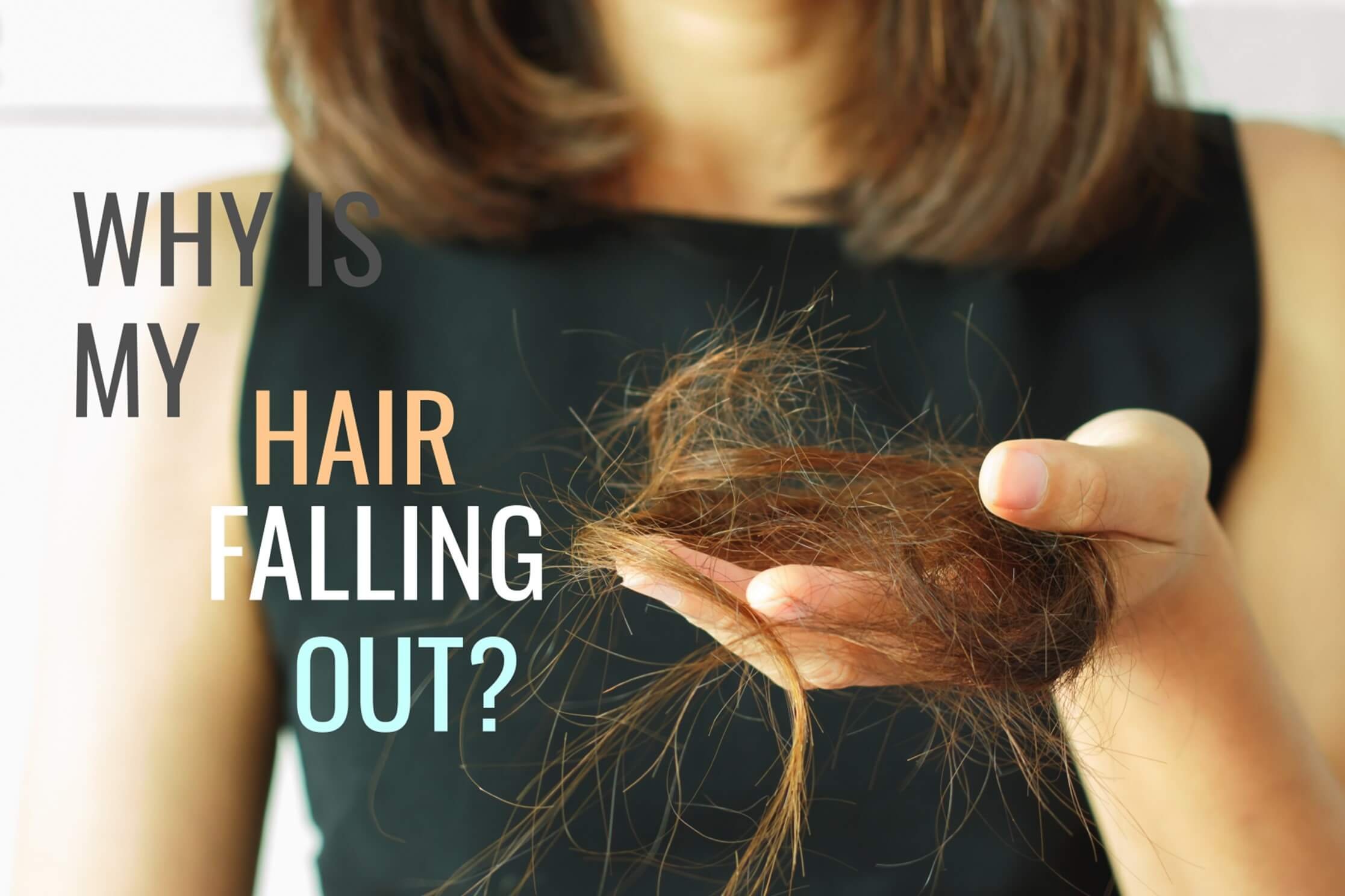
Throughout literature and global folklore, the imagery of hair falling out in clumps has served as an evocative symbol of transition, loss, and vulnerability. From the biblical tragedy of Samson to the dramatic portrayals of instability in modern cinema, hair loss transcends physical aesthetics to embody profound psychological and spiritual significances. When this imagery appears in a dream, it often reflects a deep-seated internal struggle or a period of significant life change.
Historically, hair has been regarded as a potent symbol of strength, virility, and personal identity. In ancient Greek and Egyptian cultures, hair was emblematic of one’s vitality and social standing. Consequently, dreaming of losing hair is rarely just about physical appearance; it is typically a manifestation of the dreamer’s subconscious processing feelings of insecurity or a perceived loss of power.
Psychological Interpretations: Anxiety and Identity
From a psychological perspective, hair in dreams often symbolizes thoughts, ideas, and self-confidence. When hair falls out in clumps, it may be interpreted as a symbolic representation of the following mental states:
- Fear of Inadequacy: A feeling that one is not “measuring up” to expectations or lacking the necessary tools to handle a situation.
- Loss of Control: Much like a sudden physical change, this dream can mirror a waking-life situation where the dreamer feels powerless.
- Identity Crisis: Because hair is so closely tied to how we present ourselves to the world, losing it can signal a struggle with self-worth or a shifting sense of identity.
Similar to the existential dread explored in the works of Shakespeare—from Hamlet’s musings to Lady Macbeth’s descent into neuroticism—these dreams often act as harbingers for underlying discord or unmet expectations in one’s professional or personal life.
Symbolic and Spiritual Perspectives
Beyond the psychological, hair loss in dreams can be viewed through a spiritual or transformative lens. While often perceived as negative, these dreams can also signal a necessary shedding of the old to make room for the new.
The Theme of Catharsis and Renewal
In some interpretations, losing clumps of hair represents the relinquishing of burdensome emotions, toxic relationships, or unresolved conflicts. This act of “shedding” can be a metaphor for catharsis, allowing the individual to drop unnecessary weight to facilitate personal growth and liberation.
Religious and Cultural Contexts
| Perspective | Symbolic Meaning |
|---|---|
| Biblical/Christian | Themes of sacrifice, humility, and the interconnection of vulnerability and strength (e.g., the story of Samson). |
| Islamic | A potential warning to strengthen spiritual resolve or a call to reevaluate one’s relationship with faith. |
| Native American | A possible indication of a lost connection to power, identity, or ancestral roots. |
| Eastern Philosophy | A potential sign of disturbance in the life force or energy flow within the body. |
Conclusion: Integrating the Dream’s Message
Dreaming of hair falling out in clumps is a complex motif that resonates deeply with the human experience. Whether the dream invokes a fear of aging, a sense of inadequacy, or a spiritual calling for renewal, it encourages the dreamer to confront the parts of their identity that are currently in flux. By acknowledging these subconscious signals, individuals can glean valuable wisdom and find the strength to navigate the chaos of transition, ultimately embracing the liberation that comes with self-discovery.
FAQ
Is dreaming about hair falling out always a bad sign?
No. While it often relates to anxiety, it can also symbolize a positive shedding of toxic attachments or a necessary period of transformation.
Why do I feel such intense panic during these dreams?
Because hair is tied to identity and strength, losing it in a dream triggers a primal fear of vulnerability and loss of control.
Does this dream mean I will actually lose my hair?
Generally, no. Most dream analysts view this as a symbolic representation of emotional or psychological states rather than a physical premonition.

Leave a Reply