
Short Answer
Overview
In Hindu mythology, Goddess Kali is the formidable embodiment of Shakti, representing the dynamic interplay of destruction and regeneration. When she appears in a dream, the image is rarely a simple omen; it often signals deep psychological and spiritual processes at work within the dreamer.
Symbolic Attributes of Kali
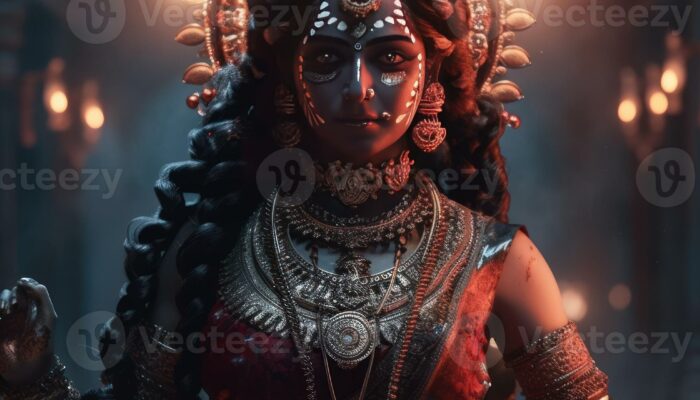
Kali is traditionally depicted with a garland of skulls, a protruding tongue, a sword, and a dark complexion. Each element carries layered meaning:
- Garland of skulls: The transience of life and the dissolution of ego.
- Protruding tongue: Unfiltered truth, the power to consume negativity.
- Sword: Cutting through illusion and ignorance.
- Dark skin: The fertile darkness from which creation emerges.
These symbols together illustrate Kali’s role as a catalyst for profound change.
Interpretive Frameworks
Logical (Syllogistic) Approach
Applying basic logical reasoning, one can infer that if Kali represents empowerment and dreams reflect the subconscious, then a dream of Kali may indicate the awakening of latent strength. The dreamer is often being urged to confront challenges with renewed tenacity.
Psychological Perspective
From a Jungian standpoint, Kali embodies the “Shadow” archetype—the hidden, darker facets of the psyche. Encountering her in a dream can signal an invitation to acknowledge and integrate repressed fears, anxieties, or aggressive impulses. This confrontation frequently precedes personal growth and self‑actualisation.
Spiritual and Cross‑Cultural Comparisons
While Kali is uniquely rooted in Hindu tradition, analogous figures appear in other faiths:
- Christianity: The fierce justice of figures like Judith, who confronts oppression with divine courage.
- Islamic tradition: Concepts of divine justice and mercy that balance destruction of evil with the promise of renewal.
These parallels highlight a universal archetype of the powerful, transformative feminine.
Common Themes in Kali Dreams
- Transformation: A call to shed old habits, relationships, or limiting beliefs.
- Empowerment: Recognition of inner strength and the capacity to face adversity.
- Creative surge: The chaotic energy preceding rebirth can inspire artistic or innovative projects.
- Confrontation with fear: Direct engagement with personal shadows, leading to psychological integration.
Practical Guidance for Interpreting a Kali Dream
- Reflect on recent life changes that may require letting go of the old.
- Identify areas where you feel disempowered; consider how Kali’s image could be urging action.
- Journal any intense emotions felt during the dream—fear, awe, liberation—as clues to underlying issues.
- Channel any surge of creative energy into concrete projects, using the dream as a source of inspiration.
Conclusion
Dreams featuring Goddess Kali are rich with meaning. They invite the dreamer to embrace dualities—destruction and creation, darkness and light—and to harness the transformative power that lies within. By examining the symbolism through logical, psychological, and spiritual lenses, individuals can uncover valuable insights that promote personal growth, creative expression, and a deeper alignment with their authentic selves.
FAQ
What does it mean to dream of Kali standing over a corpse?
It often signifies the need to let go of outdated aspects of the self, allowing space for new growth.
Can a Kali dream indicate upcoming creative success?
Yes, the chaotic energy associated with Kali can precede a burst of artistic or innovative inspiration.
Why do I feel fear during a Kali dream, yet wake feeling empowered?
The fear reflects confrontation with the Shadow, while the subsequent empowerment indicates integration of that hidden energy.





Leave a Reply