
Short Answer
Overview
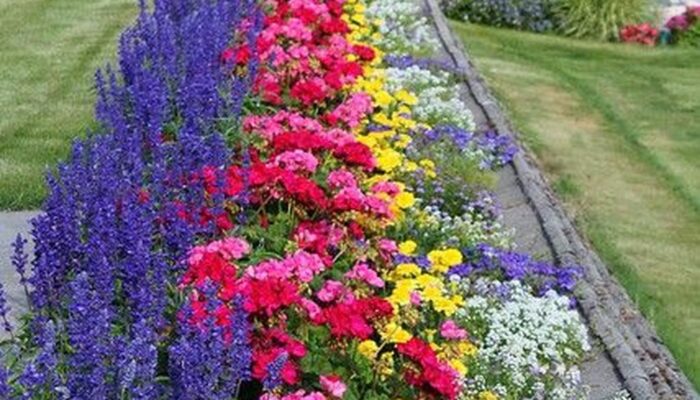
Dreams of wandering through a flower garden are among the most vivid and emotionally resonant nocturnal experiences. The garden’s colors, scents, and layout often serve as a mirror for the dreamer’s inner world, offering clues about personal development, emotional states, and spiritual aspirations.
Symbolic Themes
Beauty, Life, and Transience
Flowers traditionally symbolize beauty, vitality, and the fleeting nature of existence. In a dream, a thriving garden can indicate a sense of harmony and fulfillment, while wilted or dying blossoms may point to feelings of loss or impermanence.
Religious and Cultural Perspectives
Across several faith traditions, gardens occupy a sacred space:
- Christianity: The garden evokes the Garden of Eden, representing purity, divine promise, and the hope of resurrection.
- Islam: Gardens are portrayed as paradisiacal realms where believers will receive reward, symbolising spiritual abundance.
- Hinduism: Gardens reflect the cyclical nature of life and death, embodying renewal and the eternal flow of consciousness.
These cultural lenses suggest that a flower garden dream may signal a yearning for spiritual connection or a sense of divine guidance.
Psychological Interpretations
Freudian View
Sigmund Freud regarded dreams as a pathway to repressed wishes. Within this framework, a lush garden can represent latent creative energy or unacknowledged desires awaiting cultivation.
Jungian Perspective
Carl Jung emphasized the collective unconscious and archetypal symbols. The garden functions as an archetype of growth and transformation, inviting the dreamer to engage with inner change and self‑realisation.
Elements Within the Dream Garden
Condition of the Garden
The overall health of the garden offers diagnostic insight:
- Flourishing beds – indicate emotional well‑being and balanced relationships.
- Overgrown weeds – suggest neglected issues or chaotic thoughts.
- Damaged or barren sections – may reflect areas of life that feel stagnant or unfulfilling.
Pathways and Navigation
Clear, winding paths can symbolize life direction. A tangled or blocked route often mirrors feelings of uncertainty or perceived obstacles.
Individual Flowers
| Flower | Traditional Meaning |
|---|---|
| Rose | Love, passion, or deep emotional bonds |
| Lily | Purity, spiritual renewal |
| Daisy | Innocence, simplicity, new beginnings |
| Sunflower | Optimism, personal growth, seeking light |
Recalling specific flowers enriches the interpretive picture, allowing finer granularity in understanding emotional nuances.
Integrating the Insight
“A garden is a mirror of the soul; what you tend in the earth reflects what you nurture within.”
By examining the garden’s vitality, layout, and constituent blossoms, the dreamer can gain actionable self‑knowledge. The imagery encourages mindful cultivation of one’s thoughts, relationships, and spiritual practices, much like tending a real garden.
Conclusion
Dreams of a flower garden weave together spiritual symbolism, cultural heritage, and psychological depth. Whether interpreted through biblical allegory, Islamic paradisiacal imagery, or Jungian archetype, the garden invites reflection on growth, renewal, and the inner pathways that guide our waking lives.
FAQ
What does a thriving flower garden indicate in a dream?
It often reflects emotional well‑being, personal growth, and harmonious relationships.
How do cultural traditions affect the meaning of a garden dream?
Different religions associate gardens with paradise, renewal, or divine promise, shaping the dream’s spiritual nuance.
Can the specific types of flowers change the interpretation?
Yes; each flower carries its own symbolic baggage, such as roses for love or lilies for purity, adding layers to the overall meaning.


Leave a Reply